2,843 km, 400-plus trains: Corridors cut time and cost, offer last-mile link
Source Entity
Dheeraj Mishra
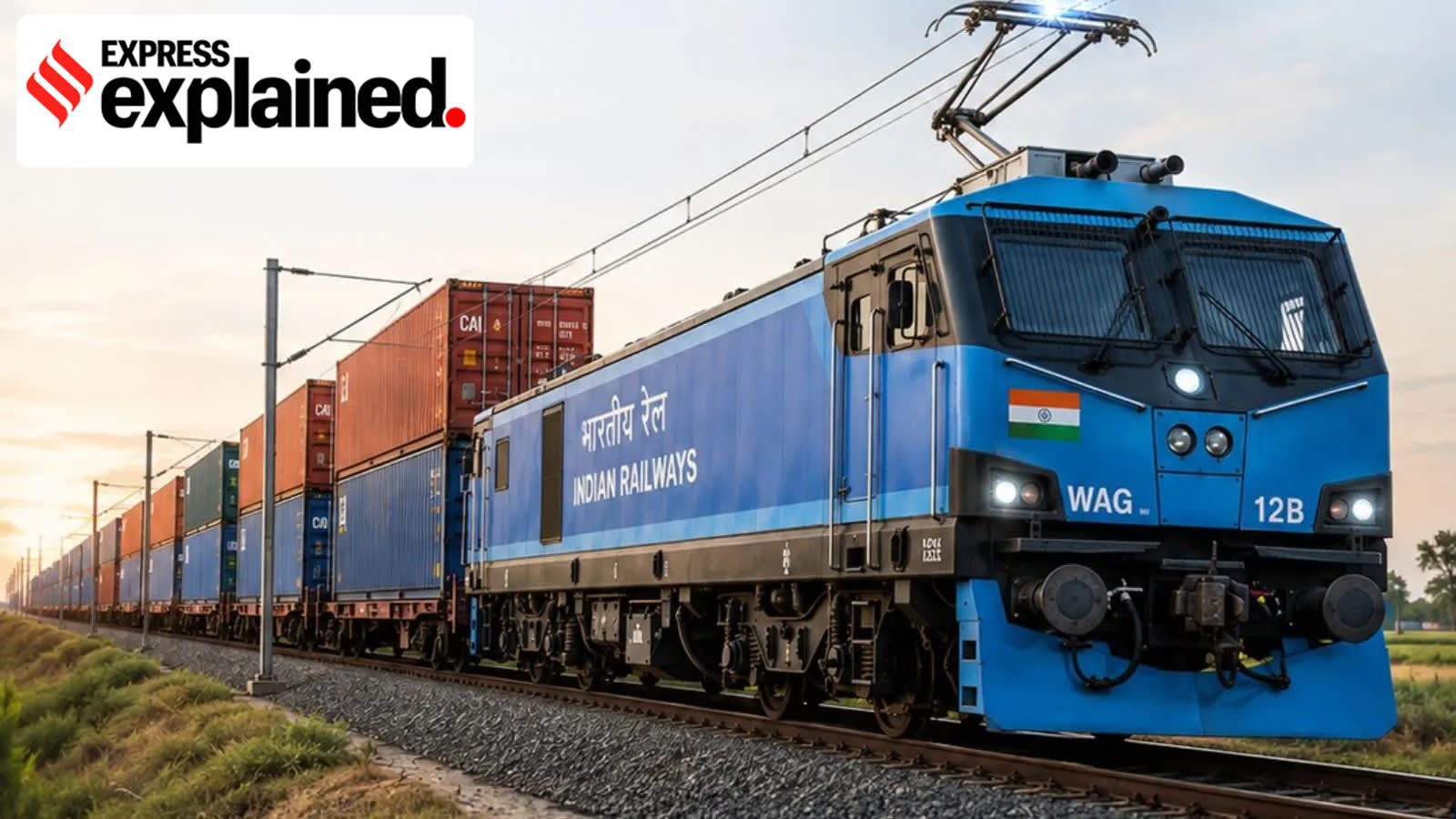
Prime Minister Narendra Modi recently inaugurated the final sections of the Western Dedicated Freight Corridor, marking a milestone in India's logistics infrastructure. Simultaneously, he emphasized a culture of tireless service within the BJP, invoking historical slogans to inspire party workers.
Infrastructure and Ideology: PM Modi’s Dual Focus in Gujarat
Prime Minister Narendra Modi’s recent visit to Gujarat served as a platform to bridge the gap between ambitious infrastructural development and the internal organizational ethos of the Bharatiya Janata Party (BJP). By inaugurating the final sections of the Western Dedicated Freight Corridor (WDFC) in Vadodara and addressing party workers in Navsari, the Prime Minister highlighted a dual-track strategy: focusing on long-term national growth while maintaining a highly mobilized political machine.
The Completion of the Western Dedicated Freight Corridor
The inauguration of the final 326-kilometer stretches of the WDFC—connecting New Sanand to New Makarpura, New Umbergaon to New Saphale, and New Saphale to the Jawaharlal Nehru Port Trust (JNPT)—marks a significant milestone for India’s logistics sector. Spanning 1,506 kilometers from the JNPT in Maharashtra to Dadri in Uttar Pradesh, the corridor is designed to revolutionize the movement of ISO containers from major western ports to inland depots in North India. Developed at a cost exceeding Rs 20,700 crore, this infrastructure is expected to drastically reduce both transit time and operational costs.
Modernizing Governance and Public Engagement
Beyond the logistical achievements, the event in Vadodara showcased a strategic shift in how the government communicates its successes. Utilizing high-tech event management, including LED visuals, ambient lighting, and curated musical experiences, the Railways aimed to capture the attention of the younger demographic. This “new look and feel” reflects a broader government effort to present infrastructure development not merely as a bureaucratic achievement, but as a modern, aspirational narrative that resonates with the digital-native generation.
Invoking History to Define Organizational Culture
During his address at the inauguration of the ‘Namo Kamalam’ district office in Navsari, Prime Minister Modi pivoted to internal party dynamics. By invoking Jawaharlal Nehru’s famous slogan, “Aaram Haram Hai” (resting is prohibited), the Prime Minister sought to instill a sense of urgency and perpetual service in BJP cadres. This rhetorical choice serves to frame the BJP as a party that prioritizes constant engagement over complacency, specifically cautioning workers against the “intoxication of power” that can follow long-term electoral success.
The Philosophy of Perpetual Service
By positioning the ‘Namo Kamalam’ office as a dedicated “centre to resolve problems,” the Prime Minister is attempting to institutionalize a model of governance that is hyper-local and accessible. The emphasis on avoiding rest is a direct call for the party’s third generation of supporters to remain as active as their predecessors. This approach is intended to ensure that the party maintains its grassroots connection, even as it manages massive national projects like the WDFC.
Conclusion: A Strategy of Sustained Momentum
The intersection of these events reveals a calculated political and developmental strategy. By linking the completion of massive, capital-intensive projects like the WDFC with a call for continued ideological labor at the party level, the leadership is reinforcing the necessity of a high-energy political environment. As India continues to integrate its domestic trade routes, the government appears committed to ensuring that both its infrastructure and its political organization remain in a state of constant, forward-moving momentum.