Sikkim's prayer wheel to a silver Ram idol from Karnataka: PM Modi's gifts go under the hammer for the Ganga
Source Entity
Latest News: Todays Latest News Headlines from India & World | Hindustan Times | Hindustan Times
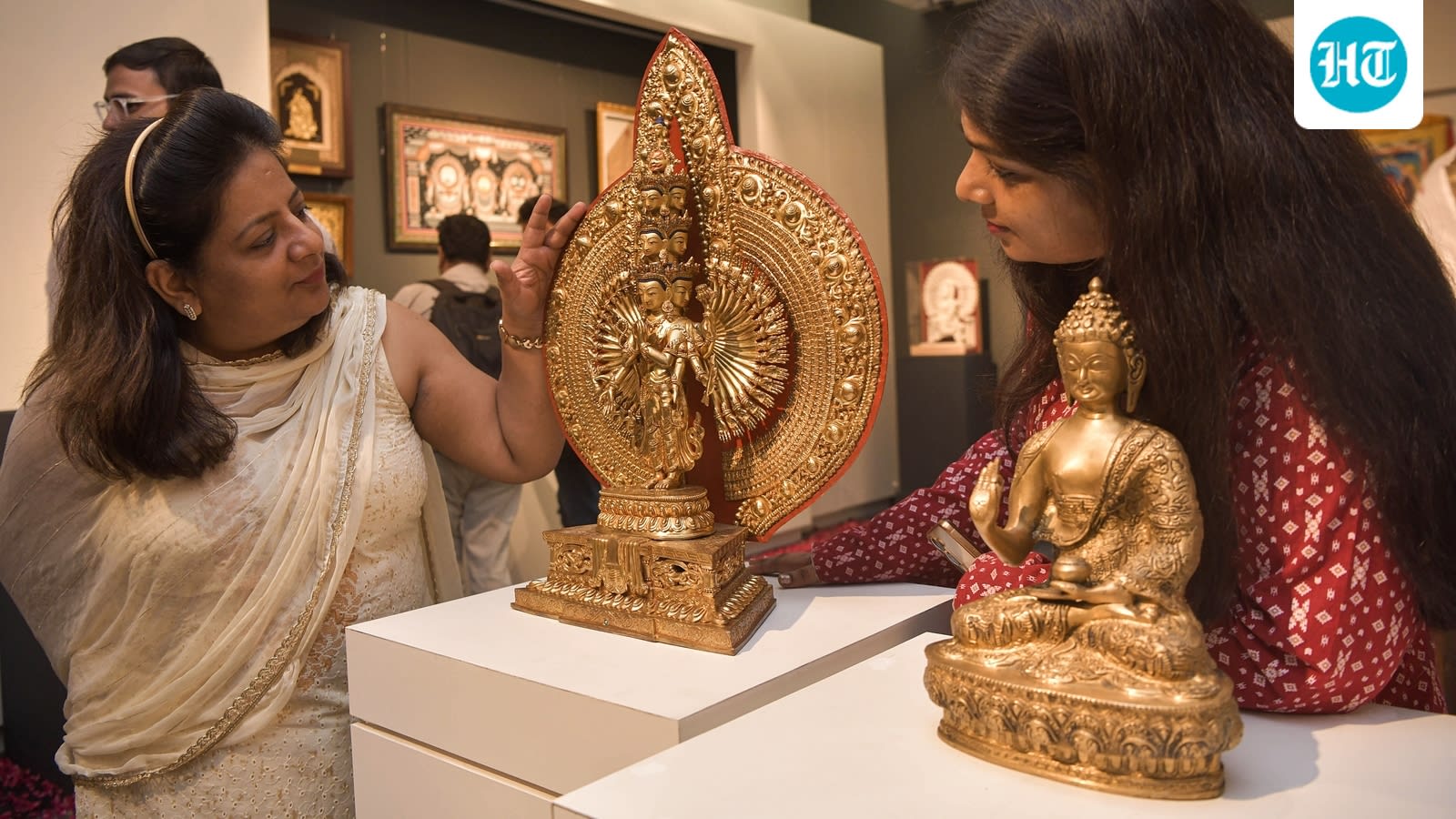
Prime Minister Narendra Modi’s eighth mementoes e-auction features diverse gifts from across India, ranging from Sikkimese artifacts to a silver Ram idol. The proceeds from these sales are dedicated to the Namami Gange project, reflecting a commitment to national cultural preservation and environmental restoration.
The Cultural Significance of the Eighth PM Mementoes E-Auction
The eighth edition of the Prime Minister’s mementoes e-auction has officially launched, presenting a unique intersection of Indian cultural heritage and public service. By offering items as diverse as a brass Buddha sculpture from Sikkim and a silver Lord Ram idol from Karnataka, the government is facilitating a direct connection between the citizenry and the symbolic tokens of diplomacy and statecraft received by Prime Minister Narendra Modi. This initiative serves as a tangible manifestation of the nation’s "rich tapestry," highlighting the geographical and spiritual breadth of India.
A Philosophy of Public Ownership
At the heart of this initiative is a distinct philosophy articulated by Union Culture Minister Gajendra Singh Shekhawat. The core principle posits that gifts bestowed upon the Prime Minister in his official capacity are not personal possessions but rather assets belonging to the nation. By auctioning these items, the administration seeks to return these cultural markers to the public domain, reinforcing the idea that the Prime Minister acts as a custodian of the people's goodwill rather than an owner of state-level tributes.
Symbolism and National Unity
These artifacts, including the Tibetan prayer wheel—or Mani Khorlo—from Sikkim, carry profound symbolic weight. They represent the integration of regional traditions into the broader national narrative. The Ministry of Culture has framed this process as a "unifying force," suggesting that the circulation of these items serves to remind citizens of the interconnectedness of India’s various states and their shared historical and spiritual legacies. This approach elevates the auction from a mere commercial transaction to a symbolic act of national cohesion.
Environmental Commitment: The Namami Gange Connection
Beyond the cultural and symbolic aspects, the auction serves a critical environmental purpose. The proceeds are earmarked for the Namami Gange project, the government’s flagship initiative focused on the rejuvenation and conservation of the River Ganga. This linkage creates a powerful narrative: the cultural gifts received by the nation's leader are being liquidated to fund the restoration of India’s most sacred and vital waterway, thereby closing a loop between spiritual heritage and environmental stewardship.
Historical Context and Future Trends
This marks the eighth such iteration of the auction, indicating a sustained commitment to this model of transparency and public engagement. Historically, governments have often struggled with the disposition of diplomatic gifts, frequently leaving them to languish in storage. By institutionalizing this e-auction, the current administration has established a precedent where cultural artifacts are kept in the public eye. Moving forward, this trend is likely to influence how state gifts are managed, encouraging future administrations to prioritize public access and charitable outcomes over private storage.
Conclusion
The ongoing e-auction of Prime Minister Modi’s gifts is more than a novelty; it is a carefully curated exercise in governance and cultural diplomacy. By transforming these items into resources for the Namami Gange project, the government successfully bridges the gap between state-level appreciation and grassroots environmental action. As these pieces find their way into the homes of private citizens, they carry with them the history and regional significance of the states they represent, ensuring that the "tapestry" of India remains vibrant, accessible, and actively engaged with the nation's future.
Verification Required?