PM Modi in New Zealand LIVE: India, New Zealand elevate ties to strategic partnership
Source Entity
India Latest News: Top National Headlines Today & Breaking News | The Hindu
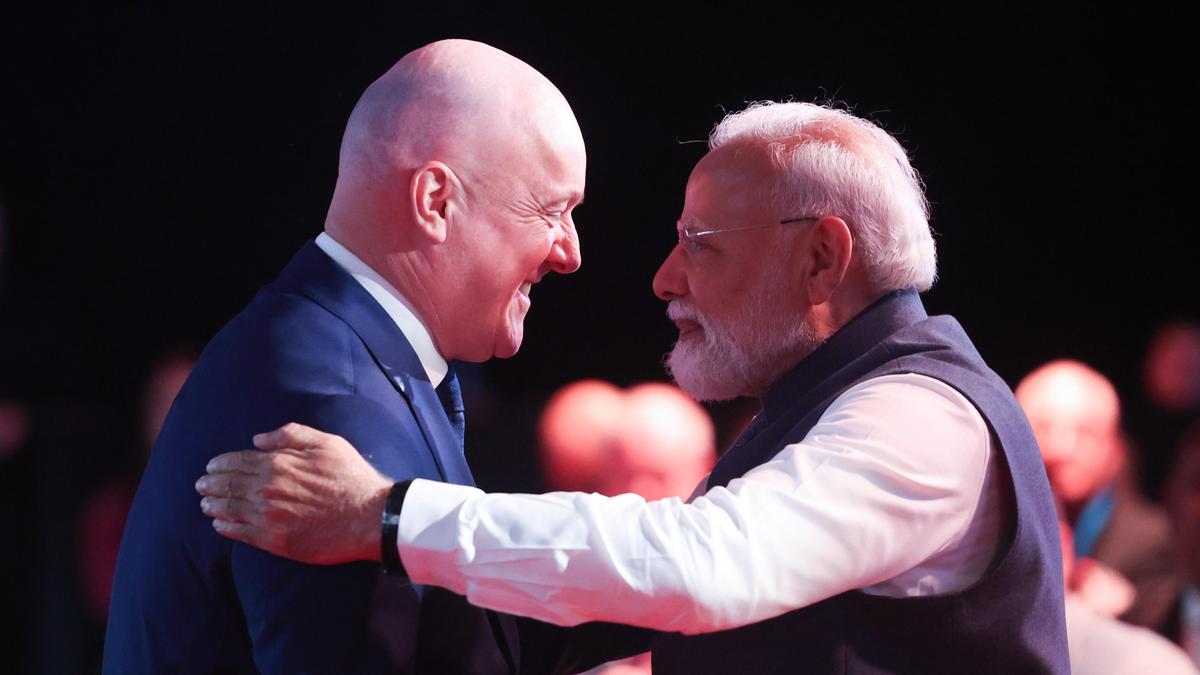
Prime Minister Narendra Modi landed in Auckland last night in the third and final leg of his three-nation tour that largely focused on expanding cooperation in the Indo-Pacific against the backdrop of China’s increasing assertiveness in the region
India and New Zealand: Forging a New Strategic Axis in the Indo-Pacific
Prime Minister Narendra Modi's arrival in Auckland marks a pivotal moment in the diplomatic trajectory between India and New Zealand. This visit, serving as the final leg of a calculated three-nation tour, signifies a deliberate shift toward deeper geopolitical synchronization. By elevating ties to a "strategic partnership," both nations are signaling that their relationship has evolved beyond traditional trade, cultural exchange, and diaspora connections, moving decisively into the realm of high-level security and regional stability.
The Weight of a 'Strategic Partnership'
A "strategic partnership" in diplomatic parlance is far more than a symbolic label; it implies a commitment to long-term cooperation on critical, high-stakes issues. For India, this means securing a reliable and like-minded partner in the South Pacific, expanding its influence beyond the immediate Indian Ocean. For New Zealand, it offers a strategic opportunity to diversify its international dependencies. This elevation likely encompasses enhanced intelligence sharing, maritime security cooperation, and joint diplomatic efforts, ensuring that neither nation remains isolated in an increasingly polarized global environment.
Navigating the Indo-Pacific Framework
The core of this diplomatic engagement is the "Indo-Pacific" framework. This vast region has become the center of global economic and military gravity, and the stability of its sea lanes is critical for global trade. Both India and New Zealand share a fundamental vision of a "free and open Indo-Pacific," which emphasizes the rule of law, freedom of navigation, and respect for national sovereignty. By aligning their strategies, they are contributing to a network of democratic partnerships that act as a stabilizing force against unilateral attempts to reshape regional norms.
The Catalyst: Countering Chinese Assertiveness
The explicit mention of "China's increasing assertiveness" serves as the primary catalyst for this diplomatic push. China's expanding footprint in the Pacific islands and its assertive claims in the South China Sea have created significant anxiety among middle powers and smaller nations. India, which has faced its own prolonged border tensions with China, finds common ground with New Zealand, which must delicately balance its massive trade relationship with Beijing against its historical security ties with Western allies. This partnership allows both nations to create a collective hedge against regional hegemony.
Economic Synergies and Future Trends
Beyond the immediate security concerns, this strategic partnership is expected to unlock new avenues in trade, technology, and sustainability. With India's rapidly growing technology sector and New Zealand's global leadership in sustainable agriculture and green energy, there is significant potential for economic synergy. Looking forward, we can predict an increase in defense cooperation—possibly including joint naval exercises—and a more coordinated approach within international forums such as the United Nations and the WTO, as both nations advocate for a multipolar world order.
Conclusion
In summary, PM Modi's visit to Auckland is a calculated move to fortify the democratic arc of the Indo-Pacific. By transitioning to a strategic partnership, India and New Zealand are not merely enhancing a bilateral friendship but are contributing to a broader geopolitical architecture designed to ensure regional peace and security. The long-term success of this initiative will be measured by the tangible security agreements and trade breakthroughs that emerge from this high-level diplomatic alignment.
Verification Required?