Polestar has a new look with its Formula 2030 concept
Source Entity
Jonathan M. Gitlin
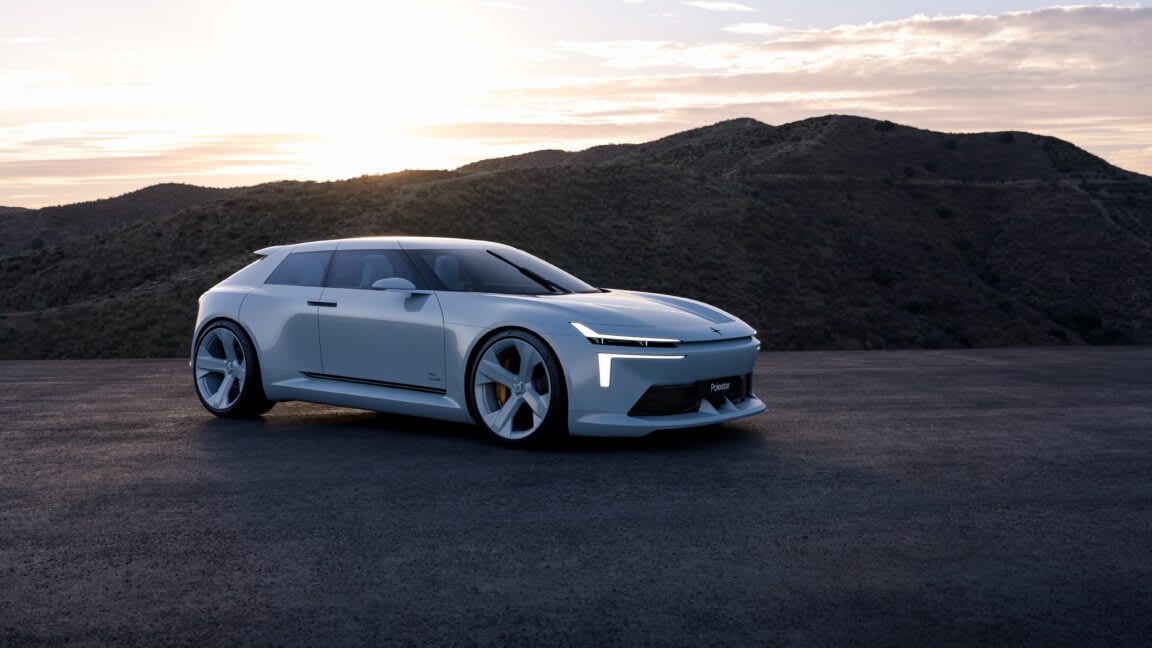
Polestar has unveiled its 'Formula 2030' concept vehicle, a sleek design study that hints at the future aesthetic of the Polestar 2. Despite its design innovation, the brand faces significant hurdles in the U.S. market due to geopolitical tensions and ownership regulations.
The Evolution of Polestar: From Racing Roots to Design Concept
Polestar has officially unveiled the 'Formula 2030' concept, a bold design study that signals a departure from its current production language while hinting at the future trajectory of the Polestar 2. Originally established as a racing team, the brand’s evolution into an electric vehicle (EV) manufacturer under the Volvo umbrella highlights a strategic pivot toward minimalist Scandinavian design combined with high-performance driving dynamics. The Formula 2030 concept serves as a visual manifesto, showcasing a low-slung, two-box architecture that prioritizes aerodynamics and aesthetic purity over traditional utility.
Design Language and Historical Echoes
The aesthetic profile of the Formula 2030 has drawn immediate comparisons to the iconic Saab Aero-X, a concept vehicle from the mid-2000s that represented the zenith of Swedish automotive design before the brand's eventual decline. By adopting a similarly low roofline and aggressive, aerodynamic posture, Polestar is effectively positioning itself as the spiritual successor to the Swedish automotive tradition. This connection is not merely incidental; it suggests that Polestar is attempting to capture the loyalist design following that once defined the Saab identity, blending it with modern electrification technology.
The Geopolitical Landscape and Market Access
Despite the technical success and design acclaim surrounding the Formula 2030, Polestar faces a complex reality regarding its global market footprint. Because the company is owned by the Chinese automotive giant Geely, it has become a central point of contention within the United States. Current legislative trends in Congress, characterized by strong bipartisan support for restricting Chinese-owned automotive brands, have effectively created a barrier to entry for Polestar in the U.S. market. This regulatory climate creates a paradoxical situation where the brand's design innovation is globally recognized, yet its commercial availability is severely restricted in one of the world's largest automotive markets.
Strategic Implications for Future EV Design
For the automotive industry, the Formula 2030 is more than just a concept; it is a preview of the next-generation Polestar 2. The integration of high-end design into the electric platform suggests that Polestar is doubling down on the 'rewarding driving dynamics' that have defined its brand identity thus far. By focusing on a lower roofline and improved aerodynamic efficiency, the company is signaling that the future of EVs will not be dominated solely by the ubiquity of the SUV, but rather by vehicles that prioritize form and efficiency.
Looking Ahead: The Path Forward
The long-term viability of the Polestar brand relies on its ability to navigate the intersection of high-concept design and increasingly protectionist global trade policies. While the company continues to leverage the massive manufacturing and engineering resources of its parent company, Geely, it must also contend with the reality that automotive design is now inextricably linked to international relations. As Polestar continues to refine the design language previewed in the Formula 2030, the company’s success will likely depend on its ability to transcend its ownership narrative and establish itself as a truly global design force, regardless of the political headwinds it currently faces.