' The awakening is here': CJP hits out at PM Modi over 'dimagi Naxal' remark
Source Entity
TOI CITY DESK
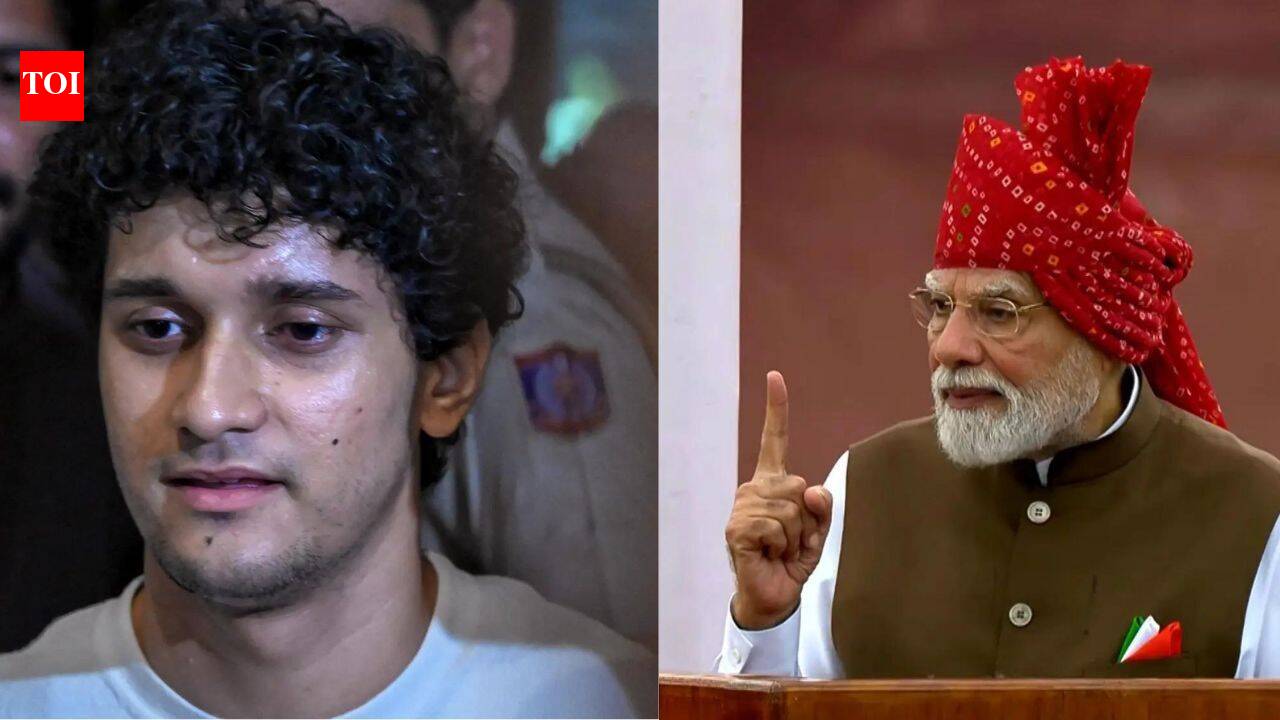
Union Minister Kiren Rijiju defended PM Modi's Independence Day remarks, clarifying that the term 'dimagi naxals' refers to those supporting separatism, not political opponents. This sparked a sharp backlash from Congress leader P. Chidambaram and CJP spokesperson Saurav Das, who criticized the labeling of dissent as extremist.
The 'Dimagi Naxal' Controversy: A Clash of Political Narratives
Recent political discourse in India has been dominated by a heated exchange following Prime Minister Narendra Modi’s Independence Day address. The Prime Minister, while noting that armed Naxalism is nearing its end in the country, warned against the rise of 'ideological Naxals' or 'dimagi naxals' (intellectual Naxals) who he suggested pose a new threat to national stability. This phrasing has ignited a fierce debate regarding the boundaries of political criticism versus anti-national rhetoric.
Rijiju’s Clarification and Definition
Union Minister of Parliamentary Affairs Kiren Rijiju stepped in to clarify the Prime Minister's stance, specifically refuting the interpretation that the term was a blanket label for opposition leaders. Rijiju utilized the social media platform X to provide a specific list of those he categorizes as 'dimagi naxals.' According to the Minister, this label is reserved for individuals who support Maoist ideology, reject the Indian Constitution, advocate for separatism, or threaten the territorial integrity of the country, such as those wishing to sever the 'chicken's neck' corridor connecting the North-East to the rest of India.
The Opposition’s Defiant Rebuttal
The response from the opposition was immediate and defiant. Senior Congress leader P. Chidambaram famously embraced the label, posting on X that he was 'proud to be a Dimagi Naxal.' This act of reclamation is a classic political maneuver intended to strip the ruling government's rhetoric of its intended delegitimizing power. By adopting the term, Chidambaram and other opposition figures are positioning themselves as defenders of intellectual freedom and legitimate dissent against what they perceive as an authoritarian government strategy.
CJP’s Critique of Political Labeling
Adding to the controversy, Saurav Das, chief spokesperson for the Cockroach Janta Party (CJP), criticized the Prime Minister’s remarks as an attempt to silence the youth and educated citizens. Das argued that labeling those who question government policy as 'Naxalis' creates a dangerous environment for democratic discourse. He framed the current climate as an 'awakening' where citizens are increasingly willing to engage in peaceful protest against perceived corruption and incompetence, signaling a potential shift in the political landscape.
Implications for Indian Democracy
This debate highlights a deep-seated polarization in Indian politics regarding the definition of nationalism. The government's insistence on identifying 'ideological Naxals' suggests a belief that certain intellectual currents are inherently destructive to the state. Conversely, the opposition's reaction underscores a growing concern that such terminology is used to shrink the space for democratic opposition and critical thought. As this rhetoric continues to evolve, it remains a central point of contention that will likely influence future electoral narratives.
Conclusion
The tension between the government’s security-focused narrative and the opposition’s emphasis on civil liberties reflects a significant divide in modern Indian political culture. While the government maintains that it is identifying genuine threats to national unity, opposition figures argue that these terms are used to suppress legitimate political accountability. The ongoing exchange ensures that the definition of who represents the 'true' interest of the nation will remain a primary battleground in the lead-up to future political cycles.
Multiple Citing Sources