The Porsche 911 GT3 Touring punches above its weight class
Source Entity
Bradley Iger
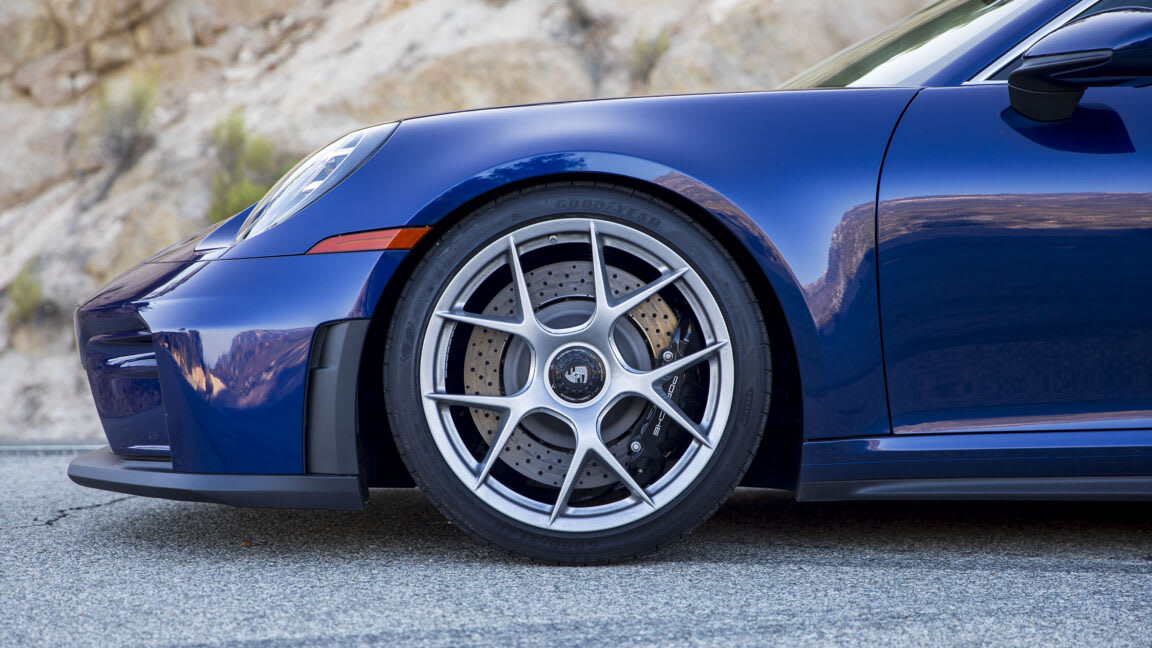
The Porsche 911 GT3 Touring maintains its reputation as a driver-focused machine by combining track-ready performance with a refined, everyday aesthetic. Despite rising costs and tightening industry regulations, it remains a unique, elemental alternative to the high-tech Turbo S.
The Evolution of the Porsche 911 GT3 Touring
The Porsche 911 GT3 Touring stands as a testament to automotive purity in an era increasingly defined by electrification and digital intervention. Since the GT3 lineage first emerged in 1999, it has served as the heartbeat of Porsche’s performance division. While models like the Turbo S prioritize raw power and grand touring luxury, the GT3 remains dedicated to the driver’s connection to the machine, emphasizing a lighter curb weight and a mechanical focus that is becoming increasingly rare in modern sports car production.
Balancing Track Pedigree with Everyday Use
The introduction of the Touring variant in 2017 was a strategic masterstroke by Porsche, catering to enthusiasts who desired the visceral nature of the 4.0-liter naturally aspirated flat-six engine without the aggressive aerodynamic profile of the standard GT3. By stripping away the fixed rear wing, Porsche created a vehicle that bridges the gap between the track-focused GT3 and the refined, understated aesthetic of a daily driver. This design choice highlights Porsche’s ability to cater to a diverse demographic that values high-performance engineering but prefers a more subtle visual presence.
Navigating Industry Pressures
Operating in the current automotive landscape, the GT3 Touring faces significant headwinds, primarily from stringent global emissions regulations and the inevitable creep of vehicle pricing. As manufacturers pivot toward hybridization and electric powertrains, the naturally aspirated engine found in the GT3 represents a dying breed of internal combustion engineering. The fact that Porsche continues to refine this specific powertrain while maintaining the car's weight-saving philosophy underscores a commitment to traditional performance engineering that resonates deeply with purists.
The Impact of Lineup Diversification
Porsche’s expansion of the GT3 family—from the extreme track-only GT3 RS to the experimental S/C model—demonstrates the brand's versatility. While the S/C variant forces a complex re-evaluation of the GT3's purpose, the Touring remains anchored by its original, simple premise: track-tuned mechanics packaged for the road. This consistency is what keeps the GT3 relevant; it provides a 'singular place' in the 911 lineup that neither the luxury-heavy Turbo nor the extreme RS can fully replicate.
Future Outlook and Legacy
Looking ahead, the GT3 Touring is positioned as a collector's icon. As regulations tighten, the viability of maintaining such a high-revving, naturally aspirated setup will likely result in higher costs and more limited availability. However, its legacy is secure. By putting the driver at the center of the experience, the GT3 Touring ensures that even as the automotive industry shifts toward new technologies, the core tenets of driving engagement—weight management, chassis balance, and mechanical feedback—will remain the gold standard for Porsche.