Pothundy twin murder: prosecution seeks death penalty for Chenthamara
Source Entity
India Latest News: Top National Headlines Today & Breaking News | The Hindu
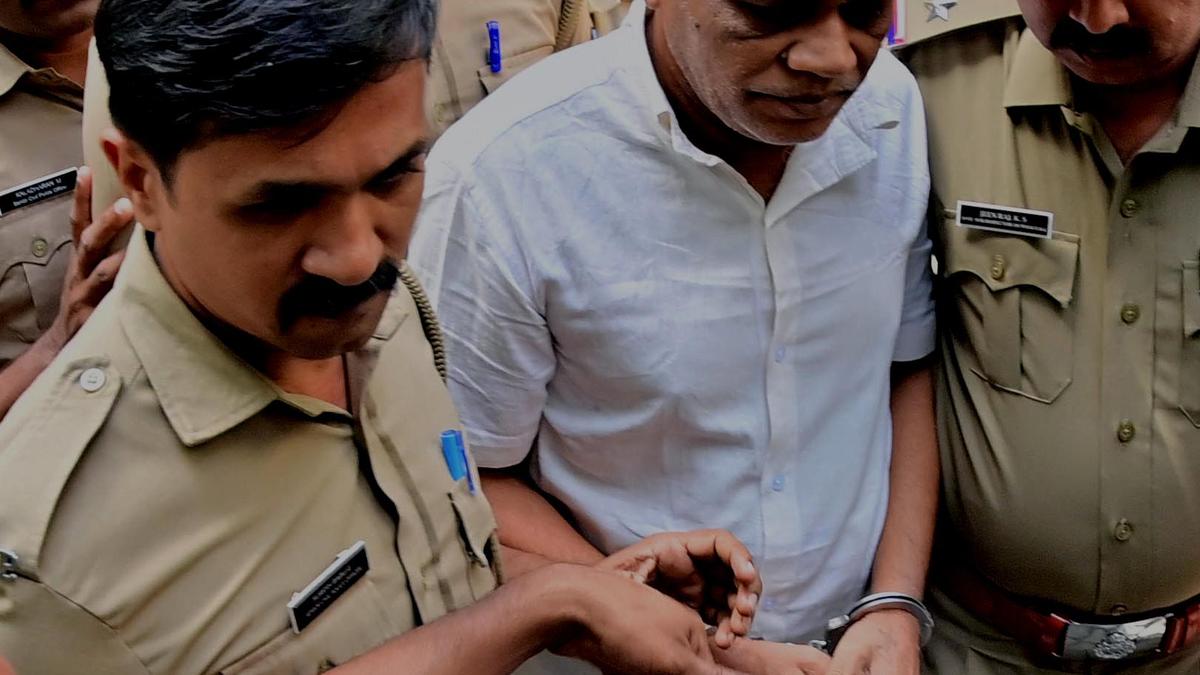
The prosecution in the Pothundy twin murder case has urged the court to award the death penalty to the accused, Chenthamara. Judge Kenneth George will deliver the final sentence on July 16, following the submission of a mitigation report by the District Legal Services Authority (DLSA).
Legal Proceedings in the Pothundy Twin Murder Case
The legal proceedings surrounding the Pothundy twin murder case have reached a critical juncture as the prosecution officially seeks the death penalty for the accused, identified as Chenthamara. This request indicates that the prosecution views the crime as exceptionally heinous, attempting to place it within the 'rarest of rare' category—a legal standard used by Indian courts to justify capital punishment. The case is currently before the Additional District and Sessions Court-IV, where the gravity of the double homicide has led to a demand for the maximum possible retribution under the law.
The Significance of the Mitigation Report
A pivotal element of the current phase is the involvement of the District Legal Services Authority (DLSA). The court is awaiting and considering a mitigation report submitted by the DLSA before Judge Kenneth George pronounces the final sentence. In capital cases, a mitigation report is essential; it provides a holistic view of the convict's background, mental health, social circumstances, and the possibility of reform. This process ensures that the court does not look solely at the brutality of the crime but also at the human element of the perpetrator, adhering to the principle that the death penalty should be a last resort.
Judicial Oversight and Sentencing
Judge Kenneth George, presiding over the Additional District and Sessions Court-IV, is tasked with balancing the prosecution's demand for the death penalty against the findings of the mitigation report. The judicial process in such high-stakes trials is meticulously slow to avoid any miscarriage of justice. The announcement of the sentence on July 16 marks the culmination of a rigorous trial process where evidence was weighed and the guilt of the accused was established. The court's decision will serve as a legal benchmark for how similar double-homicide cases are handled within the jurisdiction.
Broader Legal Implications
The demand for capital punishment in the Pothundy case highlights the ongoing tension in the Indian legal system between retributive justice and the right to life. By seeking the death penalty, the prosecution is signaling to the public and the judiciary that the nature of the 'twin murder'—the killing of two individuals—constitutes a shock to the collective conscience of society. This case underscores the critical role of the Sessions Court in filtering cases that may eventually move to the High Court or the Supreme Court for confirmation of a death sentence.
Conclusion and Future Outlook
As the legal community and the affected families await the July 16 verdict, the focus remains on whether the mitigating factors presented by the DLSA will outweigh the prosecution's arguments for execution. Regardless of the outcome, the Pothundy twin murder case emphasizes the strict procedural safeguards embedded in the Indian judiciary to ensure that the death penalty is applied with extreme caution. The final judgment will not only decide the fate of Chenthamara but will also reflect the current judicial leanings toward capital punishment in cases of multiple homicides.
Verification Required?