7 new dengue cases take Prayagraj tally to 49
Source Entity
Latest News: Todays Latest News Headlines from India & World | Hindustan Times | Hindustan Times
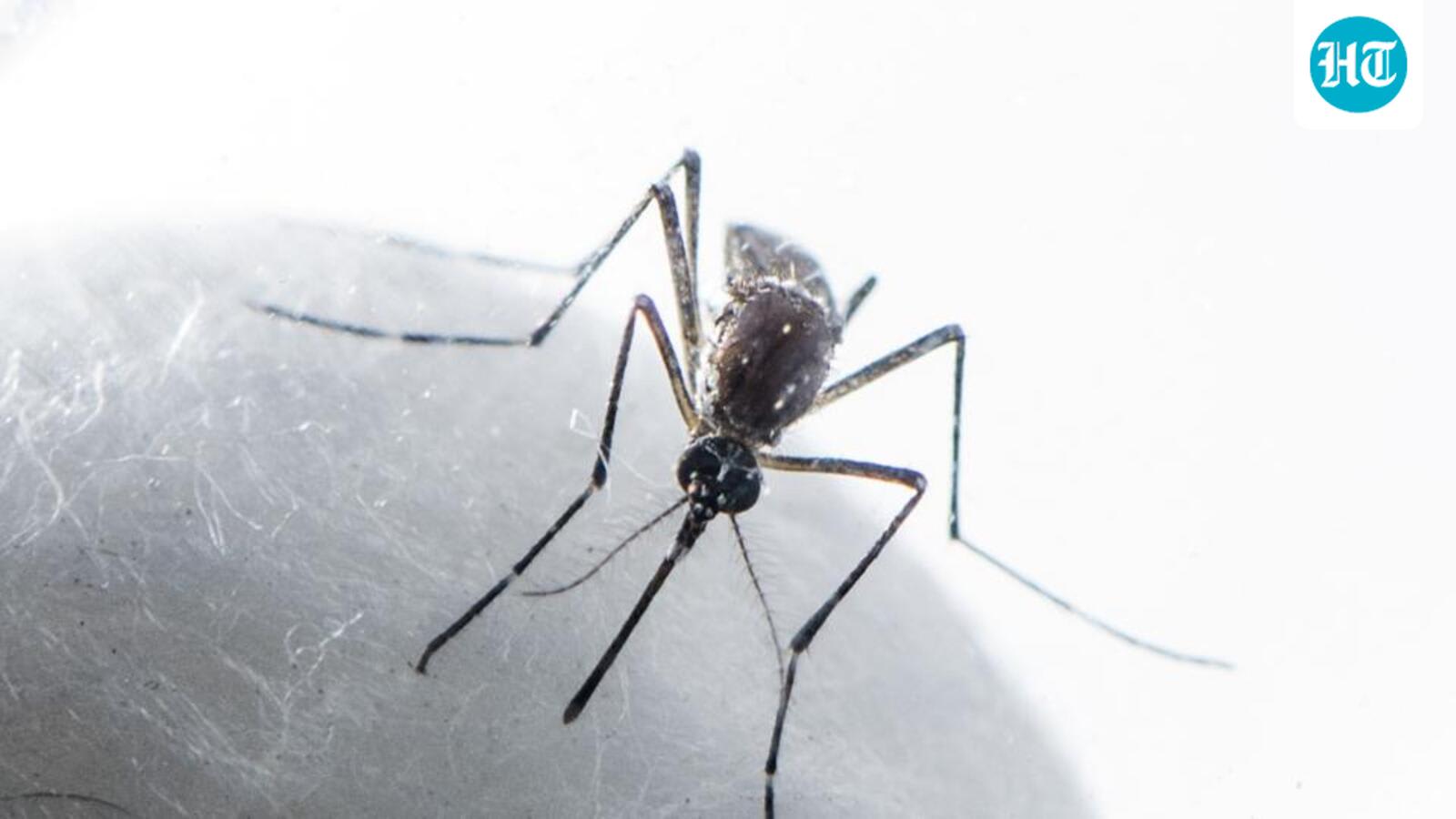
Prayagraj has reported 7 new dengue cases, bringing the annual total to 49. Local authorities have launched anti-larval drives as health officials urge citizens to avoid self-medication.
Dengue Surge in Prayagraj: An Analysis of Rising Health Concerns
The recent surge in dengue fever cases in Prayagraj, with seven new infections reported on a single Thursday, marks a concerning escalation in the district's public health profile. With the total tally for the year reaching 49, the rapid accumulation of cases—34 of which have been recorded in just the last 24 days—underscores the accelerating transmission rate of the mosquito-borne virus across both dense urban centers and surrounding rural territories.
Geographical Spread and Transmission Dynamics
According to District Malaria Officer Dr. Anand Singh, the infections are not confined to a single demographic or location. The virus has permeated diverse areas, including Salori, Govindpur, Allapur, Shivkuti, and Mumfordganj in the city, alongside rural pockets such as Chaka, Saidabad, and Kaundhiyara. This widespread distribution suggests that environmental factors, particularly in low-lying localities, are likely fostering favorable breeding conditions for the Aedes aegypti mosquito, the primary vector for dengue.
The Strain on Healthcare Infrastructure
The sharp increase in cases within the last three weeks has placed an immediate and measurable strain on local healthcare facilities. When a public health crisis shifts from sporadic cases to a consistent daily uptick, hospitals face challenges in resource allocation, diagnostic capacity, and bed management. The urgency of the situation is reflected in the authorities' shift toward proactive measures, including intensified anti-larval drives aimed at curbing the mosquito population at the source.
Clinical Guidance and Public Safety
In light of the rising numbers, medical professionals have issued a critical advisory for the public: avoid the dangerous practice of self-medication when experiencing fever. The clinical progression of dengue can be rapid and unpredictable, often mimicking other viral illnesses. By urging patients to consult a physician immediately upon the onset of symptoms, health officials hope to prevent complications that arise from delayed diagnosis or the improper use of over-the-counter medications that may exacerbate bleeding risks associated with certain dengue strains.
Future Trends and Preventive Outlook
Looking ahead, the trajectory of dengue in Prayagraj will likely depend on the effectiveness of ongoing sanitation efforts and the community's adherence to public health advisories. The transition from 34 cases in under a month to a total of 49 indicates a clear upward trend that necessitates sustained vigilance. Future management will require a dual approach: robust vector control to eliminate breeding grounds and public education campaigns to ensure that rural and urban populations alike remain informed about early symptom recognition and the necessity of professional medical intervention.
Conclusion
In summary, the rise in dengue cases in Prayagraj serves as a stark reminder of the seasonal challenges posed by vector-borne diseases. With 49 cases now confirmed, the district's health authorities are currently navigating a critical window for intervention. By prioritizing anti-larval operations and emphasizing the importance of clinical oversight over self-treatment, the district aims to flatten the curve and mitigate further health risks to its population.
Verification Required?