Emergency services hit at AIIMS Jodhpur as strike over resident doctor’s suicide continues
Source Entity
Parul Kulshrestha
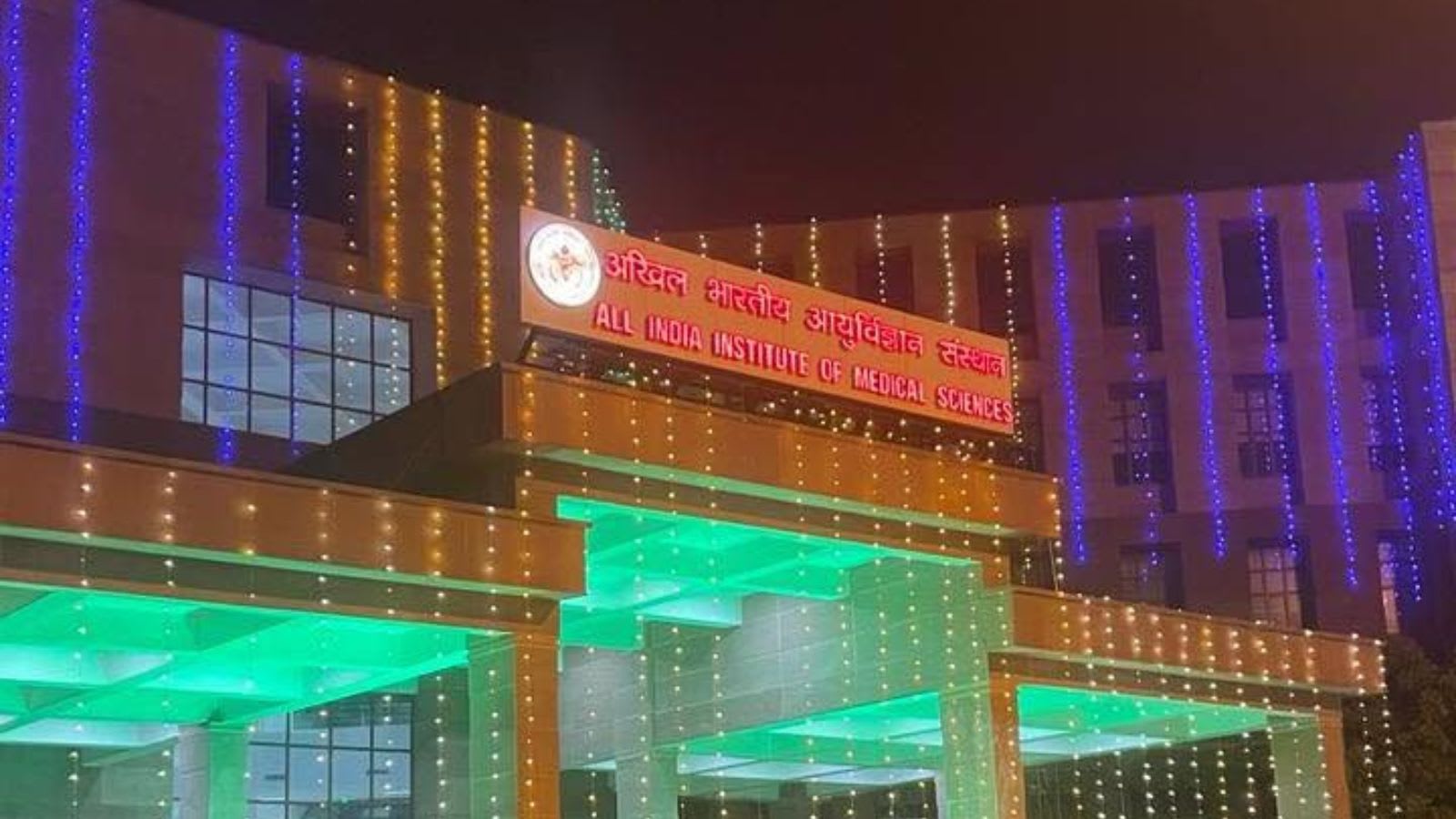
Resident doctors at AIIMS Jodhpur are protesting following the suicide of colleague Raj Naresh Yadav, citing extreme work pressure. The ongoing strike has shuttered OPD services as doctors demand accountability from administration officials.
Crisis at AIIMS Jodhpur: Resident Doctors Protest After Tragic Suicide
The medical community at AIIMS Jodhpur is currently in the midst of a significant internal crisis following the tragic death of resident doctor Raj Naresh Yadav. His death, which has been attributed by his colleagues to extreme and unsustainable work pressure, has ignited a wave of protests that has effectively paralyzed the institution's outpatient department (OPD) services. This situation highlights the growing tension between medical staff and hospital administration regarding the mental health and working conditions of resident doctors.
The Catalyst for Unrest
For three consecutive days, resident doctors have staged a sit-in, refusing to return to their clinical duties. The core grievance driving this protest is the systemic pressure that residents face, which they argue has reached a breaking point. By holding the administration accountable for the circumstances surrounding Dr. Yadav’s death, the protesters are demanding a fundamental shift in how the institution manages the workload and well-being of its medical personnel.
Administrative Intervention and Standoff
As the strike entered its third day, AIIMS Jodhpur Director Dr. Govardhan Puri attempted to negotiate with the protesting physicians. In an attempt to de-escalate the situation, Dr. Puri was filmed appealing to the doctors with folded hands, signaling the gravity of the institutional breakdown. However, the protesters remained resolute, refusing to resume work until their specific demands—including the resignation of those they deem responsible—are met. This standoff underscores a profound lack of trust between the leadership and the staff.
Broader Implications for Medical Education
This incident at AIIMS Jodhpur serves as a painful reminder of the challenges inherent in the Indian medical residency system. The reliance on resident doctors to manage high patient volumes often leads to burnout and, as evidenced here, severe mental health struggles. The closure of the OPD impacts thousands of patients who rely on the AIIMS network for specialized care, highlighting the massive stakes involved when internal workplace disputes escalate into full-scale service disruptions.
Historical Context and Future Trends
Historically, the medical fraternity has struggled to address the 'culture of silence' surrounding the mental health of healthcare workers. The demand for accountability in the wake of Dr. Yadav’s death suggests a growing movement among younger doctors to prioritize systemic reform over traditional hierarchies. Moving forward, AIIMS Jodhpur and similar institutions will likely face increased pressure to implement robust mental health support systems and structural reforms to alleviate the excessive work burden on residents.
Conclusion
The situation at AIIMS Jodhpur remains fluid, with the OPD closure continuing until further notice. The resolution of this crisis will depend on whether the administration can address the specific grievances of the residents or if the protest will expand further. Ultimately, this event stands as a critical juncture for the institution, necessitating a move toward a more sustainable and humane working environment for those who provide essential medical care.