The darker side of being a doctor
Source Entity
Hacker News
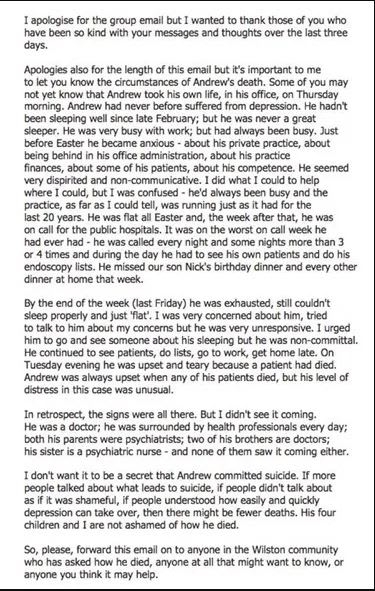
The suicide of Dr. Andrew Bryant has sparked a vital conversation about the silent epidemic of mental health struggles among medical professionals. Surgeons and physicians are increasingly vocalizing the intense pressures of training and clinical practice that contribute to burnout and depression.
The Hidden Crisis: Mental Health in the Medical Profession
The recent suicide of Dr. Andrew Bryant, a Brisbane-based gastroenterologist, has sent shockwaves through the medical community, forcing a long-overdue examination of the psychological toll inherent in the profession. While the public often views surgeons and physicians as pillars of resilience, the reality behind the white coat is frequently one of chronic stress, emotional exhaustion, and systemic pressure. Dr. Bryant’s death has become a catalyst for a broader dialogue, with many colleagues stepping forward to acknowledge that the high-stakes environment of medicine often masks a profound internal struggle.
The Myth of the Invincible Practitioner
There exists a pervasive cultural expectation that doctors must be immune to the mental health challenges faced by the general population. Surgeons, in particular, undergo years of rigorous, high-pressure training designed to forge technical perfection and emotional compartmentalization. However, as noted by practitioners who have spent over a decade in the field, this training often prioritizes professional output over personal well-being. The assumption that a strong support system or professional success serves as a shield against mental illness is a dangerous misconception that prevents many from seeking help.
Defining the 'Dark Seasons'
Medical professionals frequently experience what can be described as 'dark seasons'—periods characterized by burnout, anxiety, lethargy, and anhedonia. These symptoms are not necessarily indicative of a clinical psychiatric diagnosis but represent a cumulative response to the relentless demands of the healthcare system. The narrative shared by experienced surgeons highlights that feelings of hopelessness and 'feeling flat' are common, yet rarely discussed due to the stigma surrounding mental health in a field that demands constant alertness and precision.
Systemic Pressures and Professional Stigma
The medical culture often penalizes vulnerability. Doctors fear that admitting to mental health struggles could jeopardize their medical licenses, professional reputations, or the trust placed in them by patients. This fear creates a feedback loop where the individuals most responsible for the health of others are the least likely to prioritize their own. The courage shown by Dr. Bryant's wife in speaking out serves as a crucial intervention, challenging the culture of silence that has historically defined the medical fraternity.
Moving Toward a Supportive Future
Addressing this crisis requires a fundamental shift in how medical training and clinical work are structured. It is no longer sufficient to expect individuals to be solely responsible for their own 'resilience.' Institutions must implement structural changes that offer genuine support, normalize the discussion of burnout, and provide safe avenues for doctors to seek help without fear of professional retaliation. The tragedy of Dr. Bryant serves as a harrowing reminder that the 'darker side' of medicine is a systemic issue that requires immediate, collective attention to preserve the lives of those who dedicate their own to saving others.