Pakistan records surge in HIV cases among children; expert shares warning signs
Source Entity
The Indian Express
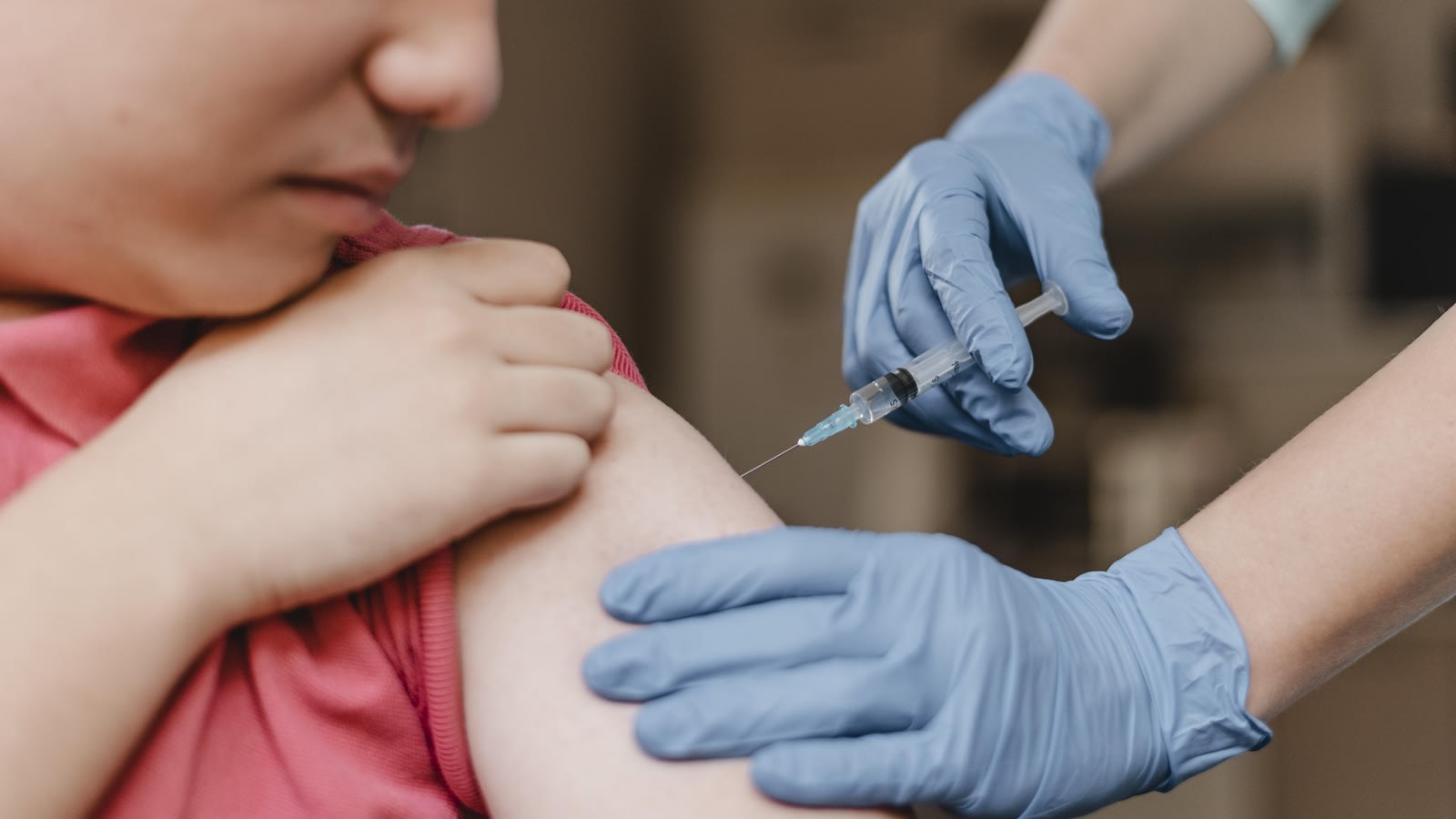
A surge of HIV cases among children in Karachi has been linked to unsafe medical practices in local healthcare settings. This recurring public health crisis highlights the urgent need for stricter infection-control protocols across Pakistan's medical facilities.
The Pediatric HIV Crisis in Karachi: A Systemic Failure
A disturbing surge in HIV cases among children in Karachi has recently come to light, with investigations pointing toward unsafe medical practices as the primary catalyst. This report, corroborated by NPR, highlights a harrowing reality for the pediatric population in the region, where routine medical interventions have inadvertently become a source of life-altering infections. The recurrence of such outbreaks indicates that despite previous warnings, the fundamental issues regarding healthcare safety remain largely unaddressed.
The Role of Unsafe Medical Practices
At the heart of this crisis is the improper administration of medical care, specifically the reuse of needles and contaminated equipment. In many resource-constrained healthcare environments, the pressure to provide care without adequate supply chains can lead to the dangerous practice of reusing syringes or failing to implement proper sterilization protocols. These systemic failures directly facilitate the transmission of blood-borne pathogens like HIV, turning hospitals—which should be sanctuaries of healing—into sites of transmission.
Recurring Outbreaks and Historical Context
This is not an isolated incident; Pakistan has witnessed similar outbreaks of pediatric HIV in the past. The persistence of these clusters suggests a systemic vulnerability in the national infection-control infrastructure. Historical data from previous outbreaks underscore that without rigorous oversight and the consistent application of universal precautions, the risk of transmission remains dangerously high. This pattern of recurrence is a sobering reminder that sporadic interventions are insufficient to curb the spread of the virus among vulnerable populations.
The Necessity of Strict Infection Control
The current situation underscores the critical need for a total overhaul of infection-control protocols in both public and private hospitals. Achieving safety in clinical settings requires more than just the availability of supplies; it necessitates a culture of rigorous compliance, standardized training for healthcare workers, and transparent accountability mechanisms. When these pillars are absent, the medical system fails its most vulnerable patients, leading to preventable health catastrophes.
Broader Implications and Future Trends
The societal and economic implications of these outbreaks are profound. Beyond the immediate health toll on the affected children and their families, these incidents erode public trust in the healthcare system. Moving forward, the focus must shift from reactive management to proactive prevention. This includes the implementation of digital monitoring systems for medical waste, mandatory certification for healthcare providers regarding blood-borne pathogens, and sustained public awareness campaigns to ensure that parents are aware of the warning signs and safety standards they should expect in any medical facility.
Conclusion: A Call for Urgent Reform
The surge of HIV cases in Karachi is a clarion call for immediate, sustained government and institutional intervention. Protecting the pediatric population requires a commitment to safety that transcends simple policy guidelines; it demands the strict enforcement of hygiene standards and the eradication of unsafe practices. Only by addressing the root causes of these infections can Pakistan hope to break the cycle of outbreaks and ensure a safer future for its children.