Gold price outlook September 2026: Could gold recover after falling 22% from record high?
Source Entity
Latest News: Todays Latest News Headlines from India & World | Hindustan Times | Hindustan Times
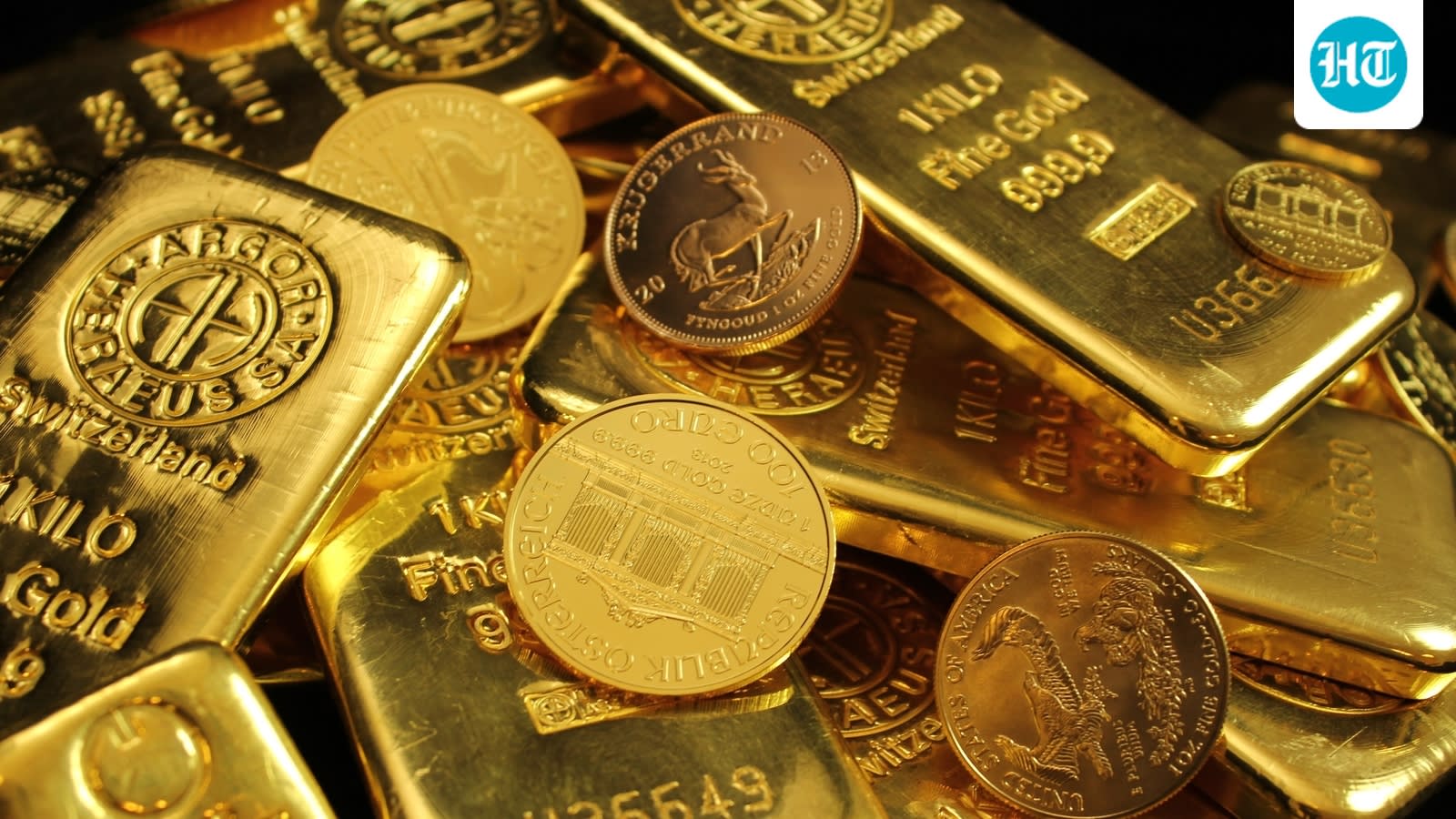
Precious metals including silver and gold are experiencing downward pressure as Federal Reserve Chair Kevin Warsh signals further interest rate hikes to combat inflation. Despite recent pullbacks, gold remains significantly higher year-over-year, though it currently sits well below its 2026 record highs.
Precious Metals Market Volatility: The Impact of Fed Policy and Geopolitics
As of late August and early September 2026, the precious metals market has entered a period of significant recalibration. Silver (SI=F) December futures opened at $66.80 per ounce on Monday, August 31, reflecting a 1.4% decline from the previous session. Simultaneously, gold prices have struggled to maintain their momentum, trading at $4,333.35 per ounce as of September 2, representing a notable retreat from the 2026 record high of $5,477.79. This downward trend is primarily driven by shifting expectations regarding Federal Reserve monetary policy.
The Influence of Fed Chair Kevin Warsh
Investor sentiment has been heavily impacted by the recent rhetoric from Federal Reserve Chair Kevin Warsh. During his address at Jackson Hole, Wyoming, Warsh emphasized the Fed’s commitment to price stability, asserting that there is still "work to do" to bring inflation down to the central bank's objective. This hawkish stance has directly pressured non-yielding assets like gold and silver, as higher interest rates increase the opportunity cost of holding precious metals compared to interest-bearing securities.
Geopolitical Instability and Inflationary Pressure
Beyond monetary policy, geopolitical tensions have introduced significant volatility into the commodities sector. Recent U.S. military strikes on Iranian rocket launchers in the Strait of Hormuz have exacerbated market anxieties, leading to a spike in oil prices. Because energy costs are a critical component of inflation, these developments have heightened fears of persistent price increases. While such instability often triggers a flight to safety, the prevailing focus on aggressive interest rate hikes has currently overridden gold's traditional role as a geopolitical hedge.
Analyzing Gold's Long-Term Performance
Despite the recent sell-off—which saw gold futures decline by more than 3% following Warsh’s commentary—it is essential to maintain perspective on the broader trend. Gold remains up approximately 24.48% compared to its price point one year ago, when it traded at $3,481.27 per ounce. Even with the current 20.89% drop from its 52-week high, the metal has demonstrated resilience, having posted its best monthly performance in August since February 2026, with a roughly 10% gain over that period.
Future Trends and Market Outlook
Looking forward, the trajectory of precious metals will likely remain tethered to the Federal Reserve's future policy decisions. As the market digests the implications of the Fed's mandate to curb inflation, investors should expect continued sensitivity to macroeconomic data. If inflation remains sticky, further rate hikes are likely, which could keep gold and silver prices suppressed. Conversely, should the economic data suggest a cooling of inflationary pressures, the metals may find a floor as investors rotate back into commodities to protect against currency devaluation.
Conclusion
The precious metals market is currently navigating a complex intersection of aggressive central bank policy and sudden geopolitical flare-ups. While silver and gold have experienced a short-term correction, their performance remains fundamentally influenced by the Federal Reserve's determination to restore price stability. Investors are advised to watch interest rate trajectories and global supply chain disruptions in the Strait of Hormuz as primary indicators for the remainder of the third quarter.
Verification Required?