Looking at just the odds isn’t enough. How traders gain an edge on prediction markets
Source Entity
US Top News and Analysis
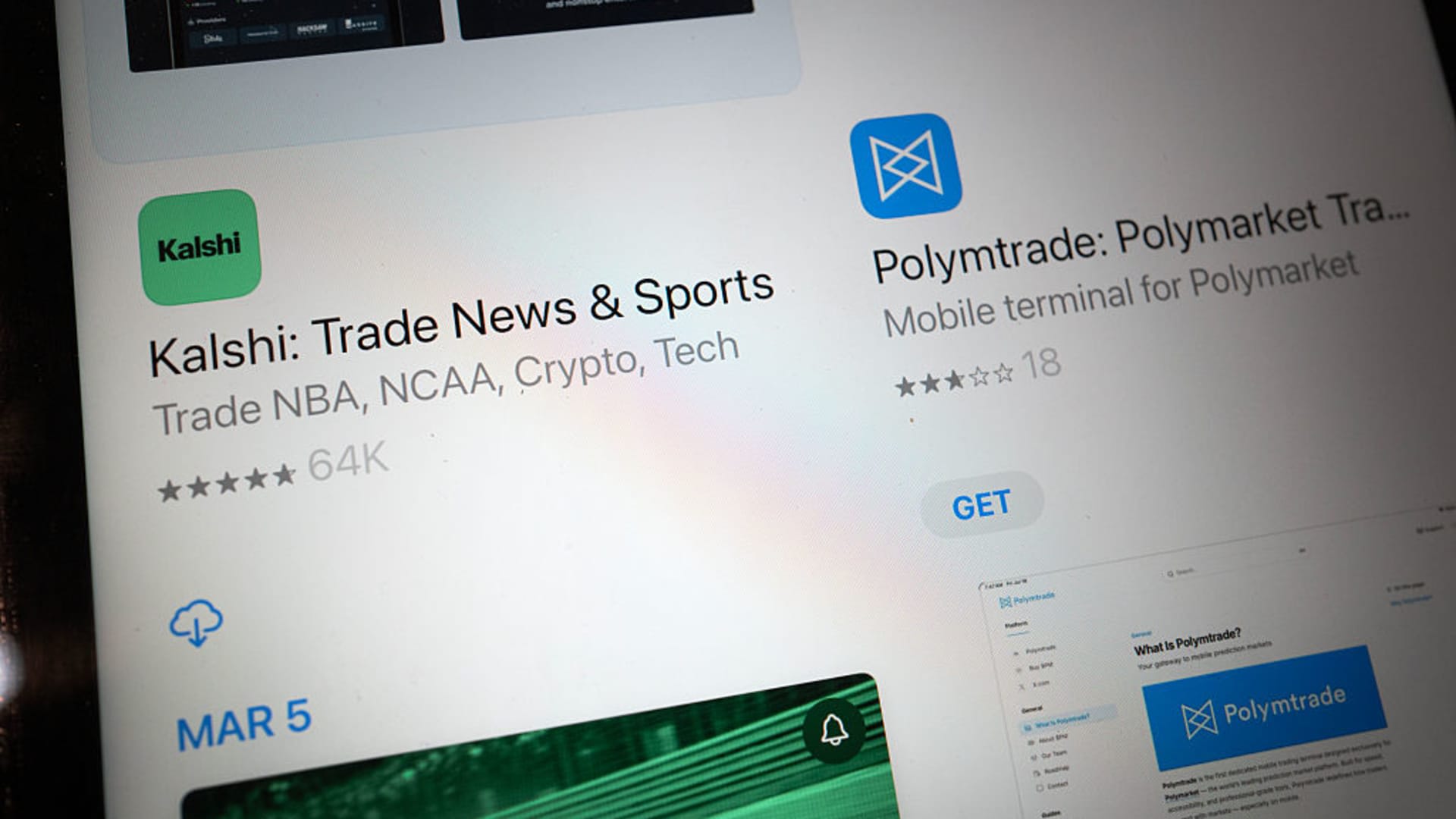
Prediction market traders are gaining a competitive edge by leveraging advanced technology and low-latency data to outperform standard odds. Success in these markets increasingly requires specialized tools and real-time information rather than simple probability analysis.
The Evolution of Prediction Market Trading
The landscape of prediction markets, such as Kalshi and Polymarket, has shifted from casual speculation toward a sophisticated, high-stakes professional arena. As evidenced by the success of traders like Logan Sudeith, who earned $250,000 in a single month, the barrier to entry has moved beyond basic statistical analysis. The modern market participant is no longer merely a consumer of odds but an active aggregator of real-time data.
The Importance of Latency and Real-Time Data
A critical component of this professionalization is the obsession with latency. In digital markets, information is the primary currency. Sudeith’s strategy of using a physical antenna to watch the Super Bowl—thereby bypassing the inherent lag of streaming services—illustrates a fundamental truth about modern trading: the delay of even a few seconds can mean the difference between a profitable trade and a missed opportunity. By securing a direct, unbuffered feed, a trader can act on market-moving events before the general public, effectively 'front-running' the market movement.
Beyond Probability: The Role of Specialized Tools
Successful participants are increasingly utilizing bespoke software and hardware setups to gain an edge. It is no longer enough to look at the surface-level odds provided by a platform; traders must now synthesize qualitative data into quantitative positions. Whether it is predicting commercial content during major televised events or reacting to breaking news, the ability to process information faster than the platform's automated price discovery mechanisms allows for significant profit margins.
Market Dynamics and Information Asymmetry
This trend highlights a growing information asymmetry within prediction markets. Platforms like Kalshi and Polymarket are designed to aggregate the 'wisdom of the crowd,' but as professional traders utilize specialized tools, the market becomes less about public sentiment and more about technical superiority. This shift mirrors the evolution of traditional stock and commodity markets, where high-frequency trading (HFT) firms once dominated by minimizing latency and optimizing data ingestion.
Future Trends in Algorithmic Speculation
Looking forward, we can expect prediction markets to become increasingly dominated by participants who treat these platforms as data-driven ecosystems. As the stakes rise, the integration of automation, artificial intelligence, and sophisticated data feeds will likely become standard. This professionalization may lead to more 'efficient' pricing, but it also creates a challenging environment for retail participants who lack the technical infrastructure to compete with those who have optimized their access to real-time information.
Conclusion
In summary, the rise of professional prediction market trading signifies a maturing sector where speed, technical skill, and innovative information gathering are paramount. While these markets offer unique opportunities for profit, they are increasingly defined by the technological arms race occurring behind the scenes. For the modern trader, the odds are merely a starting point; the real advantage is found in the tools used to process the world before the market catches up.