Himachal Pradesh: Pregnant buffalo gets new lease on life after 66 metal objects removed from stomach
Source Entity
Latest News: Today's Latest News Headlines from India & World | Hindustan Times | Hindustan Times
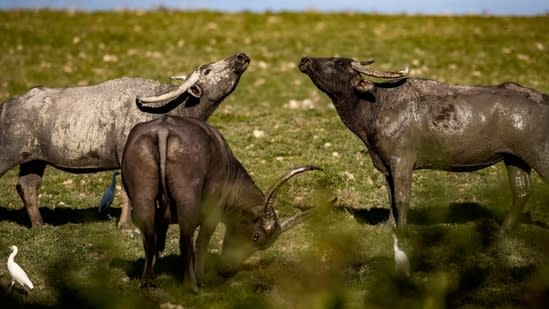
A detailed medical examination, blood tests and an ultrasound confirmed the presence of a large number of metallic foreign bodies in the animal's stomach.
A Triumph of Veterinary Medicine in Himachal Pradesh
In a remarkable display of veterinary skill and diagnostic precision, a pregnant buffalo in Himachal Pradesh was recently given a second chance at life. The animal had ingested a staggering 66 metallic objects, which had accumulated in its stomach, leading to a life-threatening condition. The successful removal of these objects not only saved the mother animal but also protected the unborn calf, highlighting the critical role of timely medical intervention in livestock management within rural India.
The Diagnostic Process and Surgical Intervention
The rescue operation was not a matter of guesswork but the result of a rigorous medical protocol. Veterinarians employed a combination of blood tests and ultrasound imaging to pinpoint the location and extent of the foreign bodies. In veterinary medicine, the use of ultrasonography is increasingly vital for non-invasive diagnostics, allowing surgeons to visualize the internal organs and the precise positioning of metallic shards before making an incision. This methodical approach minimized the trauma to the animal and ensured that the surgical procedure was targeted and efficient, ultimately leading to the extraction of all 66 objects.
Understanding 'Hardware Disease' in Ruminants
This incident is a classic, albeit extreme, example of what is known in veterinary science as 'Hardware Disease' or Traumatic Reticuloperitonitis. Ruminants, such as buffaloes and cows, are prone to ingesting metallic objects like nails, wires, and pins while grazing in areas where debris is present. Once ingested, these objects settle in the reticulum (the second stomach). Over time, these sharp objects can puncture the stomach wall, potentially leading to peritonitis or affecting the heart. The sheer volume of objects found in this specific case suggests a prolonged period of ingestion, making the buffalo's survival up to the point of surgery particularly surprising.
The Added Complexity of Pregnancy
The fact that the buffalo was pregnant added a significant layer of risk to the procedure. Surgery on a pregnant animal is always a high-stakes endeavor, as the stress of anesthesia and the physical trauma of the operation can trigger premature labor or fetal distress. The veterinary team had to balance the urgent need to remove the metallic obstructions with the delicate physiological state of the pregnancy. The successful outcome underscores a high level of expertise in managing bovine reproductive health alongside emergency surgery.
Socio-Economic Implications for Rural Farmers
In the hilly terrains of Himachal Pradesh, livestock—particularly buffaloes—are not merely animals but critical economic assets for farming families. They provide a steady source of income through milk production and represent significant capital investment. The loss of a pregnant buffalo would have been a double financial blow to the owner: the loss of the adult animal and the loss of a future calf. By saving the animal, the veterinary services provided a crucial safety net, preserving the livelihood of the livestock owner and emphasizing the need for accessible, high-quality veterinary care in remote regions.
Future Trends in Livestock Management and Prevention
This case serves as a stark reminder of the need for improved grazing management and farmer education. To prevent such occurrences, there is a growing trend toward 'clean grazing' practices, where farmers are encouraged to clear pastures of metallic waste. Furthermore, the integration of more advanced diagnostic tools in rural clinics, as seen in this case with the use of ultrasound, is a trend that must continue. As technology becomes more portable and affordable, the ability to treat complex cases in the field will increase, reducing animal mortality rates across the region.
Conclusion
The successful operation in Himachal Pradesh is more than just a medical curiosity; it is a testament to the efficacy of modern veterinary diagnostics and surgical intervention. By combining scientific rigor with a deep understanding of ruminant physiology, medical professionals were able to reverse a potentially fatal situation. This event highlights the intersection of animal welfare, economic stability for rural farmers, and the evolving landscape of veterinary healthcare in India.
Verification Required?