Why are Harry and Meghan returning to the UK?
Source Entity
BBC News
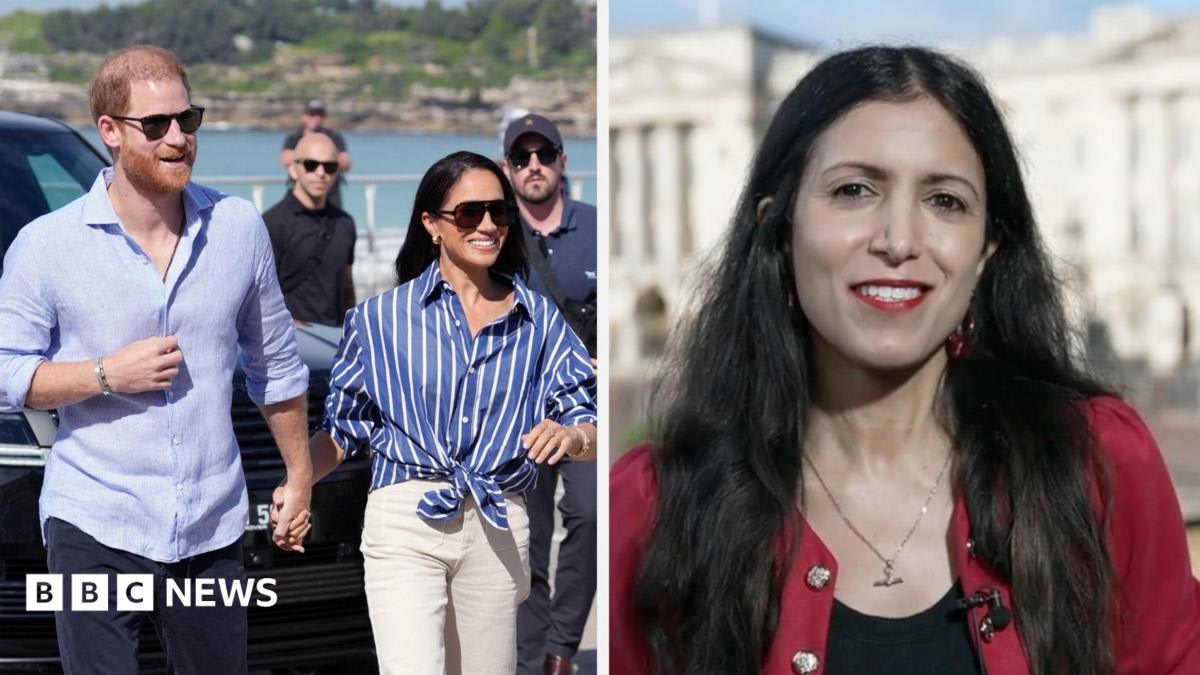
Prince Harry and Meghan Markle are reportedly moving from the US back to the UK this month. The couple intends to reside in a private home, with their children set to begin school in September, though they will not resume working royal roles.
The Sussex Return: A New Chapter for the Royal Family
The reported decision by the Duke and Duchess of Sussex to relocate from California to the United Kingdom marks a significant turning point in the modern history of the British Royal Family. After years of living in the United States, Prince Harry and Meghan Markle are set to transition back to British life this month, a move that has been communicated to King Charles and Prince William. While this development has sparked widespread public curiosity, it remains clear that the couple intends to maintain their independence, opting for a private residence outside of London rather than returning to royal estates.
The Catalyst for Relocation
Although general discussions regarding the possibility of spending more time in the UK had been ongoing, the decision to formalize the move appears to have been solidified following a significant family trip in July. During this visit, the family spent time with King Charles at Highgrove and reconnected with the Spencer family—the relatives of the late Diana, Princess of Wales. The positive experience of these interactions, combined with a broader European tour that included time at their home in Portugal, served as the definitive catalyst for the couple to transition their base of operations back to British soil.
Educational Stability for the Children
A primary driver for this relocation is the education of Prince Archie, 7, and Princess Lilibet, 5. The children are enrolled to start at a British school this September, signaling a shift toward long-term stability for the family. By prioritizing a consistent educational environment within the UK, the Duke and Duchess are effectively anchoring their children’s upbringing in the cultural and social context of their father’s homeland. This decision highlights a clear focus on family continuity and the desire for their children to foster closer relationships with their extended British family.
Navigating the Non-Working Royal Status
Despite the physical proximity to the monarchy, it is important to emphasize that the Sussexes have no current plans to resume their duties as working Royals. This distinction is critical to understanding the nature of their return. By choosing a private, non-royal residence, the couple is reinforcing the boundaries established when they first stepped back from senior royal roles. Their return is framed not as a reintegration into the institution of the monarchy, but as a lifestyle change that allows them to maintain their autonomy while remaining geographically closer to the King and the rest of the Royal Family.
Future Implications and Public Perception
The sudden nature of this decision, as described by those close to the couple, leaves many questions regarding the long-term dynamics between the Sussexes and the rest of the Firm. While the move was communicated to King Charles and Prince William, the lack of discussion regarding the move during the July visit to Highgrove suggests that the finalization of their plans occurred rapidly. Moving forward, the public and the media will likely watch closely to see how the couple balances their private life with the inevitable scrutiny that comes with their proximity to the royal center of gravity.
Conclusion
The return of Prince Harry and Meghan to the UK is a complex development that balances personal family desires with the ongoing complexities of their relationship with the monarchy. By prioritizing education and family ties, the couple is signaling a desire for a new chapter that embraces their British roots without compromising the independence they have built in California. As the transition unfolds, the focus will likely remain on their efforts to integrate into a new private life while managing the public expectations that follow them wherever they reside.
Multiple Citing Sources