Secret Hormuz corridor: How US kept ships, oil moving despite Iran threat
Source Entity
VIJAYA SRIVASTAVA
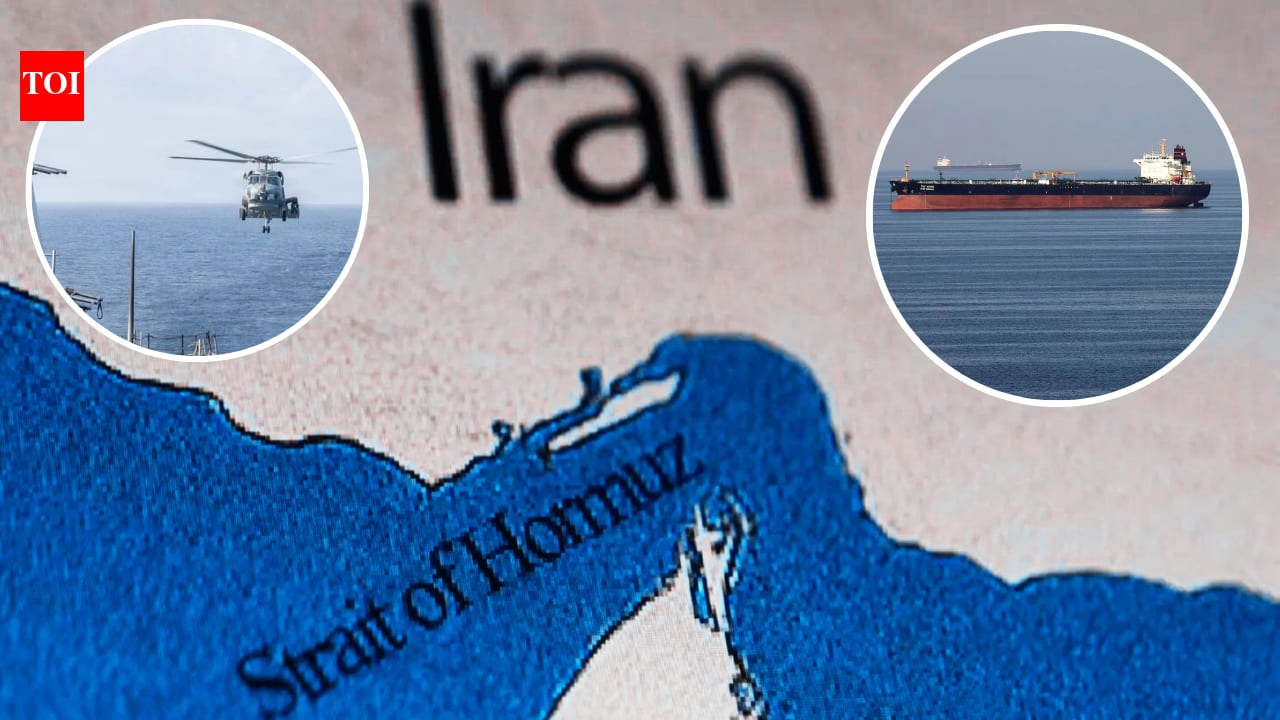
Gulf oil producers are bypassing the Strait of Hormuz using secret US-guided corridors and alternative routes to maintain exports. Despite soaring freight costs and regional tensions, these operations currently facilitate the movement of millions of barrels of oil daily.
The Strategic Realignment of Gulf Oil Exports
The Strait of Hormuz has long served as the world’s most critical maritime oil chokepoint, but recent geopolitical instability has forced a dramatic shift in how Gulf producers navigate this volatile passage. With the threat of closure and active military posturing, producers such as Saudi Aramco have been compelled to utilize alternative corridors and secret, US-guided paths to ensure that global energy supplies remain uninterrupted. This shift, while essential for economic stability, has introduced unprecedented complexity into the global energy supply chain.
The Economic Toll of Maritime Risk
The most immediate consequence of this redirected traffic is the extreme volatility in freight markets. Very Large Crude Carrier (VLCC) rates have surged to unsustainable levels, with earnings for Middle East-to-China voyages exceeding $500,000 per day. As the flow of vessels has trickled down to a fraction of normal capacity, fixing costs for individual voyages—such as the $31 million cost observed for the Mongolia Prosperity—have ballooned. This reflects a 'freight jackpot' for shipping operators, but it imposes a heavy tax on the final cost of oil delivered to global markets.
Covert Operations and US Military Oversight
To mitigate the risk of total blockage, a covert operation has been implemented allowing 15–20 tankers to traverse a southern channel of the strait nightly under US military guidance. This clandestine effort has successfully moved nearly 10 million barrels of oil per day, effectively functioning as a bypass for the strategic waterway. By guiding these vessels through lanes where Iranian monitoring capabilities are diminished, the US has managed to sustain a lifeline for global energy markets that would otherwise have been severed by the ongoing regional conflict.
The Geopolitical Standoff: Rhetoric and Reality
This operational shift occurs against a backdrop of escalating verbal warfare between Washington and Tehran. Former IRGC commander Hossein Kanani Moghadam has publicly dismissed US military strategy as a failure, characterizing the shift toward economic pressure as the beginning of a new Cold War. Iran’s assertions regarding its internal missile reserves and its threat to potentially withdraw from the Nuclear Non-Proliferation Treaty (NPT) underscore the high stakes of this maritime standoff. These rhetorical exchanges suggest that the tension is not merely about oil transit, but represents a broader struggle for regional hegemony.
Future Implications and Market Trends
The reliance on these temporary, militarized corridors suggests that the 'normal' flow of oil through the Strait of Hormuz may be permanently altered. As long as Iran maintains its posture of defiance and the threat of closure remains, the premium on shipping costs will likely persist. Furthermore, the reliance on US military guidance creates a long-term dependency that could complicate future diplomatic negotiations. If these secret channels become the new standard, the global oil market must brace for a 'new normal' characterized by higher transport premiums and the constant risk of sudden, military-driven supply shocks.