Priyanka Chopra's Diwali gown took 2,200 hours: Torani's craft decoded
Source Entity
Latest News: Todays Latest News Headlines from India & World | Hindustan Times
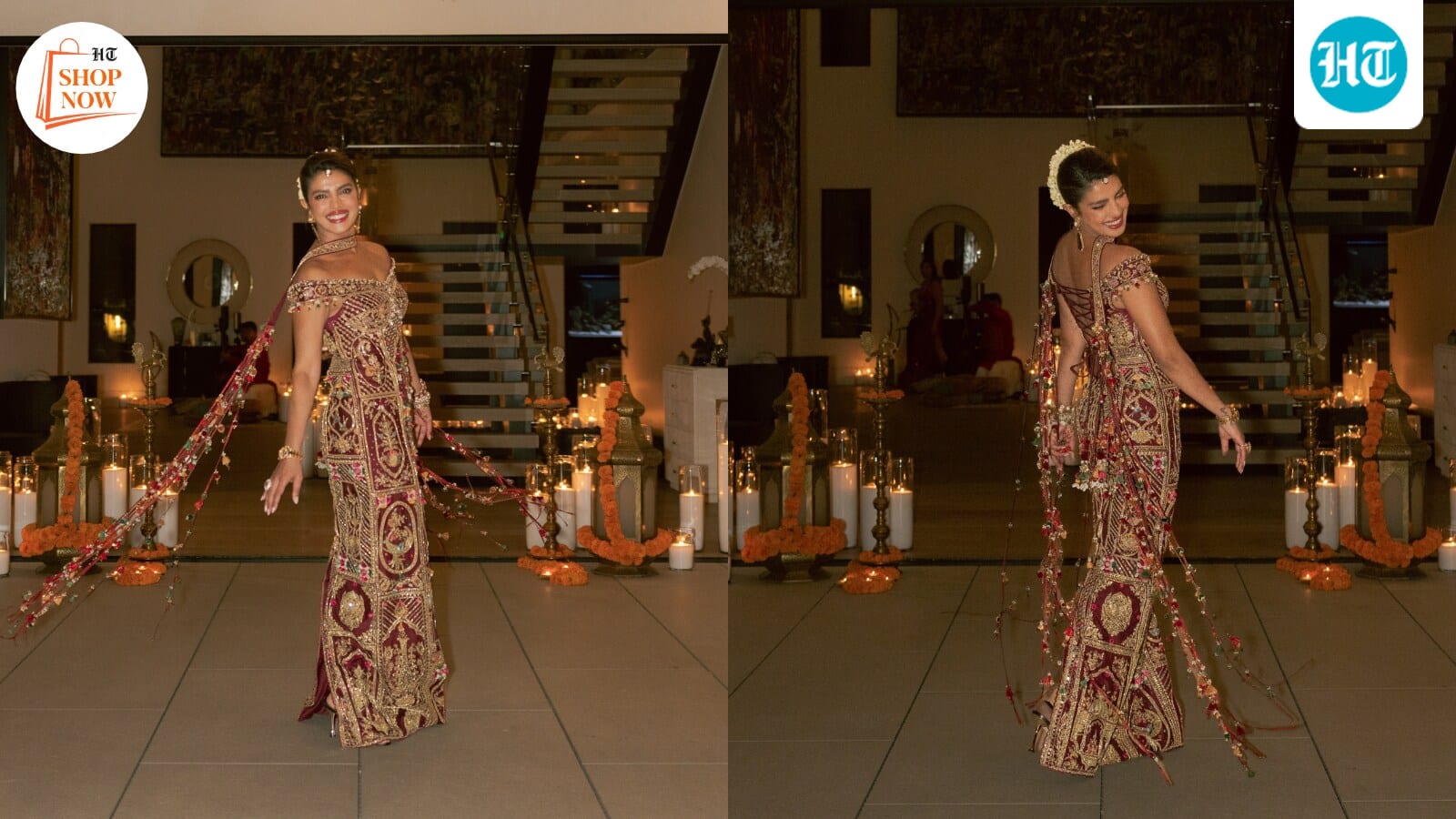
Priyanka Chopra celebrated Diwali in a custom, artisan-crafted maroon-and-gold silk gown by designer Karan Torani. The ensemble required 2,200 hours of labor, highlighting the intricate use of traditional Kashmiri aari and zardozi embroidery.
The Art of Festive Couture: Decoding Priyanka Chopra’s Diwali Gown
A Masterpiece of Artisanal Labor
When Priyanka Chopra stepped out in a custom maroon-and-gold silk gown for Diwali, it was not merely a stylistic choice but a showcase of profound artisanal dedication. According to official reports from designer Karan Torani, the creation process spanned over 2,200 hours. This immense time investment underscores a shift in luxury fashion where the value is dictated not just by the brand name, but by the tangible hours of human labor and the preservation of traditional craft techniques.
Reviving Heritage Techniques
The gown serves as a modern canvas for ancient Indian embroidery traditions. By incorporating Kashmiri aari work—a delicate, hook-based embroidery technique originating from the Kashmir Valley—alongside the regal art of zardozi, the piece bridges the gap between contemporary red-carpet silhouettes and historical textiles. Zardozi, which utilizes gold and silver threads to create elaborate, textured patterns, has long been associated with royal Indian attire, providing the gown with an aesthetic of opulence suitable for a festival as significant as Diwali.
The Intersection of Global Stardom and Local Craft
Priyanka Chopra’s choice to highlight Karan Torani’s work on a global platform acts as a catalyst for the promotion of Indian heritage craftsmanship. By wearing pieces that require thousands of hours of hand-work, high-profile celebrities play a crucial role in validating the work of master artisans. This visibility helps preserve specialized skills that might otherwise fade in the face of mass-produced, machine-made apparel.
Defining Modern Festive Fashion
This ensemble reflects a broader trend in the fashion industry: the move toward 'slow fashion' even within the sphere of festive wear. As consumers become more conscious of the origins of their clothing, the narrative surrounding the 2,200 hours of craftsmanship serves as a marketing and cultural benchmark. It signals a shift where the 'making of' the garment is as vital to the narrative as the final look itself.
Implications for Future Trends
Looking ahead, we can expect a sustained interest in luxury garments that emphasize provenance and artisanal labor. Designers are increasingly expected to share the technical history behind their pieces to satisfy the curiosity of a well-informed audience. As this trend continues, the collaboration between global icons and domestic designers will likely remain a powerful driver for the Indian textile industry, ensuring that traditional motifs and labor-intensive techniques remain relevant in modern, high-fashion contexts.
Verification Required?