Even With the S&P 500 at All-Time Highs, I'd Buy This High-Yield Dividend Stock Without Any Hesitation in September.
Source Entity
Yahoo Finance
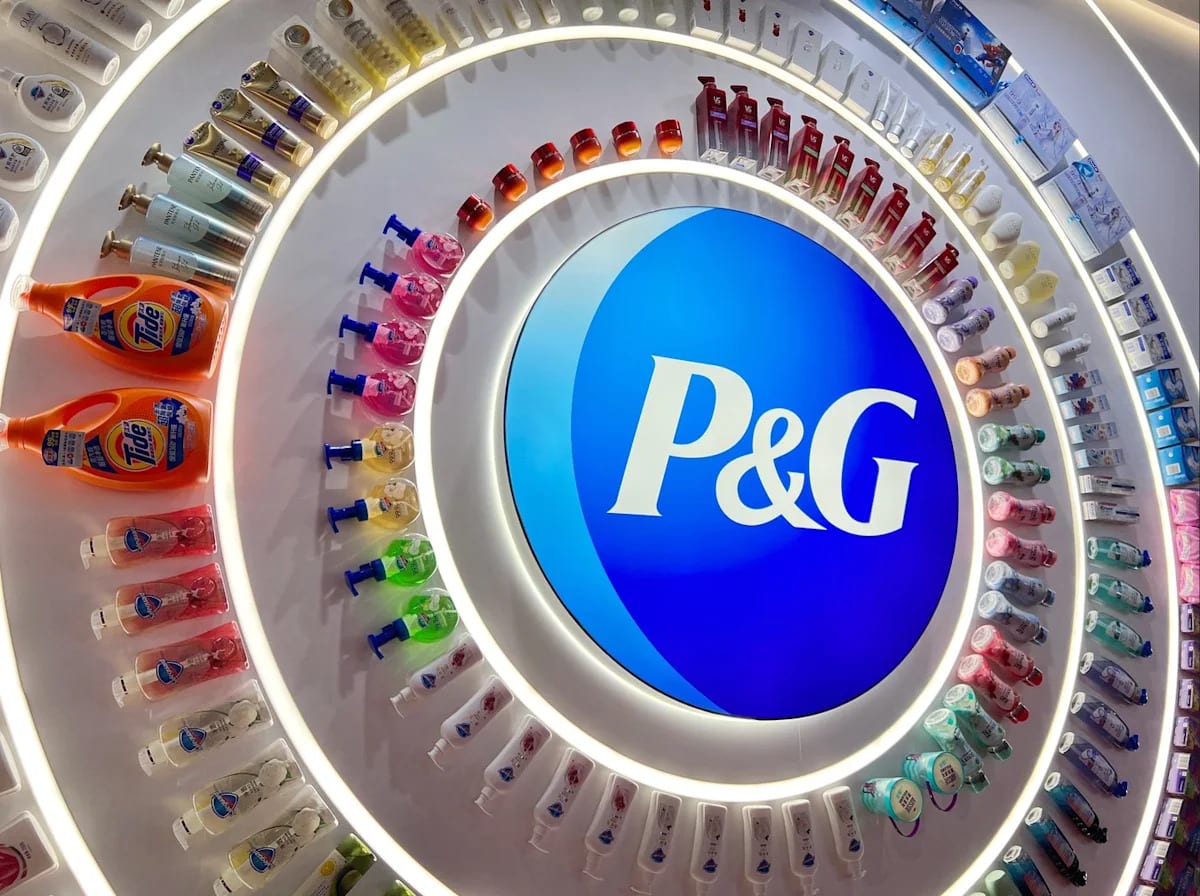
Procter & Gamble currently presents a compelling investment case as it trades 19% off its highs with a near 3% dividend yield. Despite the S&P 500's strong performance, P&G offers defensive stability backed by essential household brands.
The Case for Procter & Gamble in a High-Growth Market
As the S&P 500 reaches all-time highs with a year-to-date gain of approximately 12%, many investors are struggling to find value in a market dominated by high-growth tech valuations. While the broader index offers a relatively meager dividend yield of around 1%, Procter & Gamble (NYSE: PG) stands out as a resilient alternative for income-focused portfolios. Trading at roughly 19% below its historical highs, the stock currently offers a dividend yield approaching 3%, providing a stark contrast to the income profile of standard index funds.
Defensive Stability in Uncertain Economic Climates
Procter & Gamble’s appeal is deeply rooted in its status as a cornerstone of the consumer staples sector. Regardless of macroeconomic fluctuations, the company maintains a portfolio of essential household brands that consumers consistently purchase. This "recession-proof" characteristic provides a level of operational stability that is often missing from high-growth momentum stocks. For investors concerned about potential market volatility following record-breaking index performance, P&G serves as a defensive hedge that prioritizes capital preservation and steady cash flow.
Evaluating the Dividend Advantage
The disparity between the S&P 500’s 1% yield and P&G’s near 3% yield is a critical factor for long-term compounding. In an environment where interest rates and inflation remain variables of concern, a reliable dividend stream becomes a significant driver of total return. P&G’s historical commitment to its dividend, supported by its massive scale and market dominance, makes it a favored asset for those looking to mitigate the risks associated with the current market's high price-to-earnings multiples.
Market Sentiment and Valuation Disconnect
The current valuation of P&G—trading at a 19% discount from its highs—suggests a potential disconnect between the company’s fundamental strength and its current market price. While growth-oriented investors may be chasing the next "Nvidia-style" breakout, value investors often find that such periods of market exuberance create unique buying opportunities in blue-chip equities. By focusing on companies with proven business models that provide tangible value to consumers, investors can balance their portfolios against the inherent risks of speculative growth plays.
Strategic Implications for Portfolio Diversification
Ultimately, the recommendation to consider P&G in September highlights the importance of asset allocation. While the allure of rare signals and high-growth potential in smaller tech firms remains high, the foundation of a robust portfolio often relies on the steady, recurring revenue streams provided by consumer staples. By balancing high-risk growth assets with reliable dividend payers like Procter & Gamble, investors can better position themselves to weather market corrections while capturing consistent income in both bull and bear market cycles.