Protein after illness: Who needs more and how to get enough
Source Entity
The Indian Express
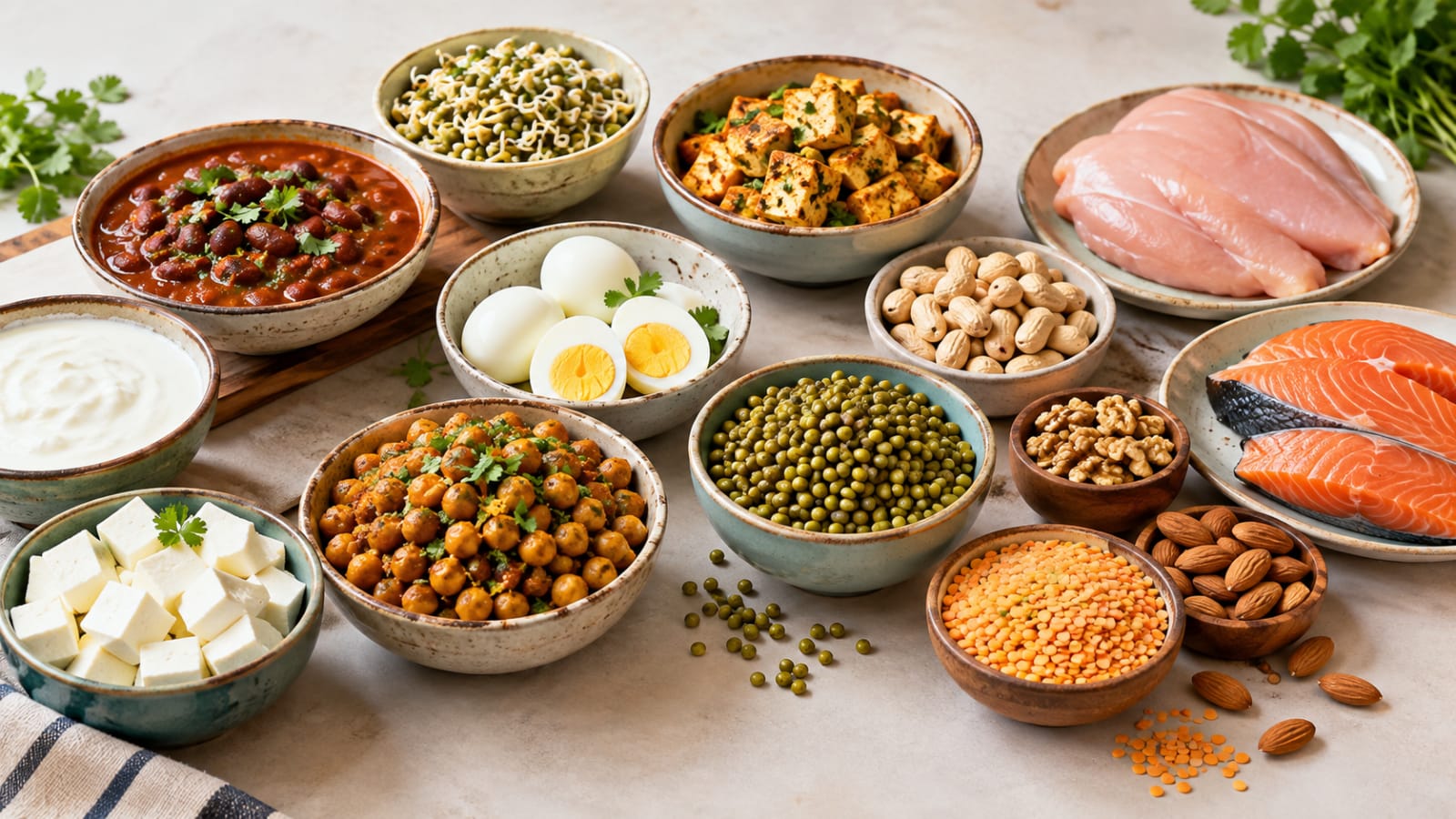
Recovering from illness requires adequate protein intake to facilitate tissue repair and muscle maintenance. Expert medical advice emphasizes the importance of nutrition, especially when appetite is suppressed following a hospital stay.
The Crucial Role of Protein in Post-Illness Recovery
Recovering from a significant illness is a multifaceted physiological process that extends far beyond the mere resolution of symptoms or the elimination of an infection. While the immune system works to clear pathogens, the body simultaneously enters a catabolic state where it must prioritize the repair of damaged tissues, the maintenance of existing muscle mass, and the gradual restoration of overall physical strength. Protein serves as the fundamental building block for these restorative processes, acting as the primary substrate for cellular repair and immune function.
The Challenge of Nutritional Deficits
A major hurdle in the recovery phase is the common occurrence of a suppressed appetite, which often follows prolonged illness or an extended hospital stay. When patients are unable to consume adequate calories and macronutrients, the body may begin to break down its own muscle tissue to meet energy demands, leading to muscle wasting and prolonged weakness. This cycle of malnutrition can significantly impede the rehabilitation timeline, making it difficult for individuals to regain their pre-illness functional status.
Expert Perspectives on Protein Intake
To better understand the clinical necessity of protein, we consulted Dr. Saurabh Juneja, Director & HOD of CTVS, Cardiac Sciences at ISIC Multispeciality Hospital. Dr. Juneja emphasizes that protein is not just an optional supplement but a physiological requirement for those recovering from bodily stress. When the body is healing, the demand for amino acids—the building blocks of protein—increases significantly to support the synthesis of new proteins used in tissue scaffolding and immune response modulation.
Clinical Implications and Implementation
Integrating high-quality protein into a post-illness diet requires a strategic approach, especially when a patient’s appetite remains low. Small, frequent meals that are nutrient-dense can help ensure that the body receives a consistent supply of amino acids without overwhelming the digestive system. Whether through lean meats, legumes, dairy, or fortified clinical nutrition supplements, the goal is to prevent the body from entering a state of negative nitrogen balance, which is a precursor to muscle atrophy.
Future Trends in Nutritional Rehabilitation
As medical science continues to evolve, the focus on 'nutritional rehabilitation' is becoming a standard part of discharge planning. We are seeing a shift toward personalized nutrition plans that calculate protein requirements based on the severity of the illness and the extent of muscle loss. Future trends will likely favor the use of targeted amino acid supplementation alongside traditional dietary intake to accelerate recovery times, particularly for patients who have undergone surgical procedures or intensive care.
Conclusion: A Foundation for Healing
In summary, protein is an indispensable component of the recovery process. While it is essential to focus on symptom management during an illness, the post-illness phase must prioritize nutritional replenishment to ensure the body can successfully rebuild. As always, because nutritional needs can vary based on individual health history, it is imperative to consult with a qualified health practitioner before making significant changes to a diet or starting a new nutritional routine.