PS5 emulation is suddenly making big strides on PC
Source Entity
Kyle Orland
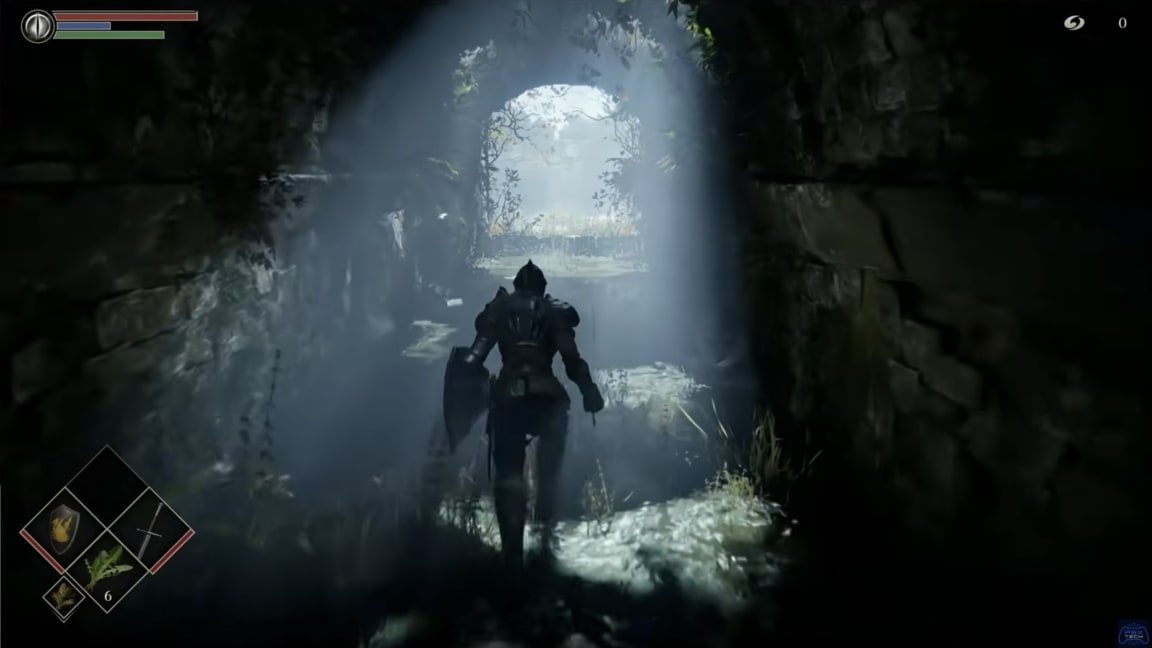
Major advancements in PS5 emulation and porting tools like KytyPS5 and AnyPS5 are enabling console titles to run on PC hardware. While early results show playable footage of games like Demon's Souls, the technology remains in a nascent, bug-prone stage.
The Rapid Evolution of PS5 Emulation on PC
Recent developments in the emulation scene have signaled a significant shift in how console-exclusive titles interact with PC hardware. The emergence of tools like KytyPS5 and AnyPS5 marks a departure from traditional emulation methods, moving toward more sophisticated techniques for executing PlayStation 5 code on non-native systems. While the PS5 architecture shares fundamental x86 foundations with modern PCs, the proprietary nature of Sony's software stack has long made it a difficult platform to replicate.
The KytyPS5 Compatibility Breakthrough
The KytyPS5 emulator has quickly become a focal point for enthusiasts, boasting an impressive compatibility list that currently features 134 titles with "controllable gameplay." This level of progress is remarkable for such a young project. However, the reality of the current state of emulation is tempered by the presence of persistent, game-breaking bugs. While footage of Astro’s Playroom and Demon’s Souls running on PC hardware proves the technical viability of the project, these titles are far from a plug-and-play experience for the average user.
The Rise of Automatic Porting Tools
Beyond traditional emulation, the development of AnyPS5 represents a distinct, perhaps more efficient, architectural approach. By functioning as a "tool for automatic executables porting," it draws direct comparisons to Apple’s Game Porting Toolkit. Rather than emulating the console hardware layer, this method focuses on relinking the original x86 game code to native PC executable instructions. This "static decryption" style of approach potentially bypasses much of the overhead associated with standard emulation, offering a more direct path to performance.
Challenges and Hardware Limitations
Despite these strides, the path to stable PS5 emulation remains fraught with technical hurdles. Emulation requires not just the translation of game code, but the perfect replication of specific console-level APIs, memory management, and GPU instructions. As these projects mature, developers must overcome the proprietary "black box" elements of the PS5 OS that are not documented for public use. The current state is essentially a race between community developers and the complex, evolving software environment of the PlayStation ecosystem.
Implications for the Gaming Industry
The broader implications of these tools are significant for both the preservation of gaming history and the accessibility of titles. If these projects continue to advance at their current pace, the traditional barriers between console and PC gaming could continue to blur. Historically, emulation has served as a bridge for legacy content, but these new tools are tackling current-gen hardware, which is a much more ambitious goal. As these projects improve, they could force a shift in how developers view platform exclusivity and the necessity of official PC ports.
Future Trends and Outlook
Looking ahead, we can expect the focus to shift from simple "controllable gameplay" to full-feature parity. As the community refines these tools, the frequency of game-breaking bugs will likely decrease, potentially leading to a more standardized experience. However, legal and ethical questions regarding software licensing and intellectual property will inevitably follow these technical successes. The future of PS5 emulation on PC will depend heavily on whether these projects can maintain momentum while navigating the complex landscape of digital rights management and Sony’s proprietary security features.