The PS6 sure sounds like a handheld
Source Entity
Sean Hollister
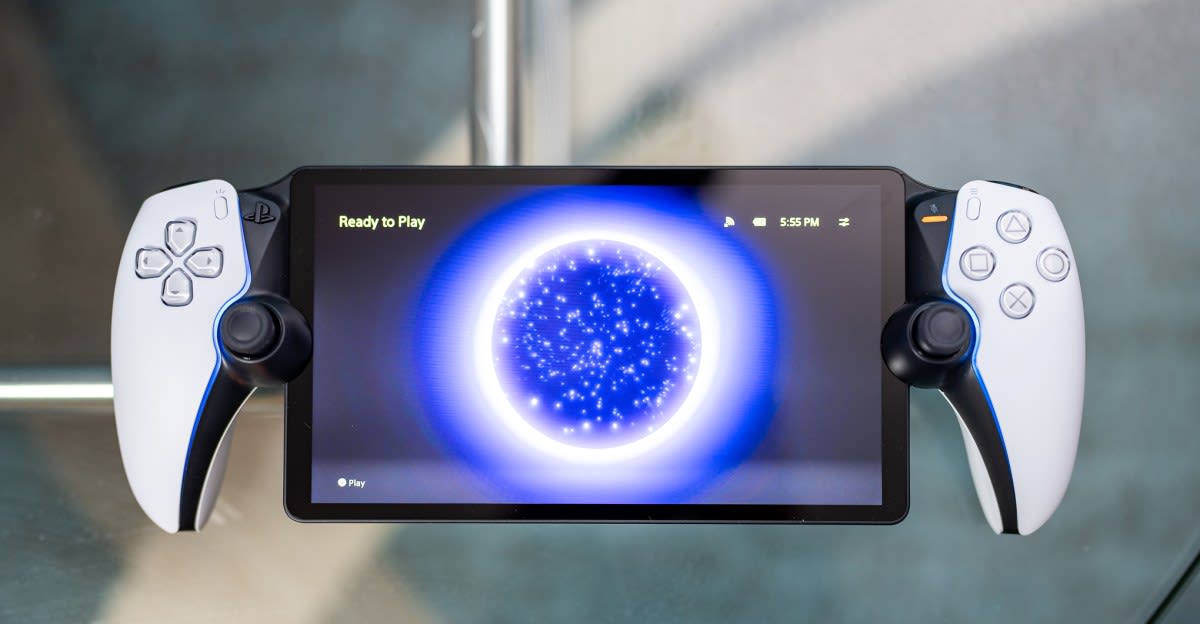
The gaming industry is facing significant turmoil as Sony and Microsoft prepare for next-gen consoles. Amid rising costs, the phase-out of physical discs, and studio closures, there is growing speculation that the PS6 may pivot to a handheld format to attract consumers.
The Gaming Industry at a Crossroads: Analyzing the Pivot to Next-Gen
The global video game industry is currently navigating a period of profound instability and strategic realignment. As the current generation of hardware—namely the PlayStation 5 and Xbox Series X/S—reaches maturity, industry titans Sony and Microsoft are already positioning themselves for the next technological leap. However, this transition is occurring against a backdrop of economic volatility and shifting consumer behaviors, leading to speculative discussions about the very nature of the next-generation console. The suggestion that the PlayStation 6 (PS6) could pivot toward a handheld form factor is not merely a rumor but a reflection of a broader industry trend toward portability and flexibility.
The Rise of Portable Power and the PS6 Speculation
The possibility of the PS6 becoming a handheld device stems from the massive market success of the Nintendo Switch and the emergence of the "PC handheld" category led by the Steam Deck. For years, the industry was locked in a "power war," where the primary goal was simply increasing teraflops and achieving 4K resolution. However, consumer habits have shifted toward "pick-up-and-play" accessibility. By pivoting the PS6 toward a handheld or hybrid model, Sony could potentially disrupt the traditional living-room ecosystem, offering a high-performance experience that doesn't tether the user to a television. This strategic move would address the core problem of consumer enticement: providing a fundamentally new way to play rather than just a slight iterative power bump.
Economic Turmoil and the Cost of Innovation
One of the most pressing issues facing the industry is the soaring cost of both hardware and software development. As indicated in the reports, prices are climbing, making the entry barrier for new consoles higher than ever. The cost of developing "AAA" titles has ballooned into the hundreds of millions of dollars, necessitating higher retail prices for games. When combined with the rising cost of high-end components, the industry faces a critical question: how much more are consumers willing to pay? This economic pressure is forcing companies to rethink their hardware strategies, potentially moving away from expensive, monolithic home consoles toward more efficient, versatile hardware that targets a wider demographic.
The Erosion of Physical Media
The transition to the next generation is also marked by a deliberate move away from physical media. Sony’s push to "kill the video game disc" is a strategic shift toward a fully digital ecosystem. While this reduces manufacturing and distribution costs for the publisher, it creates significant friction with a segment of the player base that values physical ownership and the secondary resale market. This shift toward digital-only consoles streamlines the hardware design—removing the need for bulky optical drives—but it also increases the company's control over the software ecosystem, allowing for more aggressive monetization through digital storefronts and subscription services.
Corporate Consolidation and Studio Volatility
Parallel to the hardware shifts is the volatile state of game development studios. Microsoft's recent trend of "jettisoning studios" highlights a brutal period of correction following a wave of massive acquisitions. After spending billions to acquire publishers, the industry is seeing a pivot toward "efficiency," which often manifests as studio closures and mass layoffs. This instability suggests that the "pivot" to the next console is not just about technology, but about surviving a corporate restructuring phase where profit margins are prioritized over creative expansion. The loss of these studios could potentially impact the library of exclusive titles available for the next generation of hardware.
Summary and Future Outlook
In summary, the gaming industry is undergoing a systemic transformation. The speculation surrounding a handheld PS6 is a symptom of a larger need for innovation in a market plagued by rising costs and corporate instability. Whether the next generation brings a handheld revolution or a refined home experience, the industry must solve the tension between increasing prices and decreasing consumer accessibility. The move toward digital-only media and the restructuring of development studios indicate that the "next gen" will be defined as much by business model pivots as by technical specifications. The winners of the next console cycle will be those who can provide tangible value in an increasingly expensive landscape.