Why parents keep old report cards and childhood drawings, according to psychology
Source Entity
TOI LIFESTYLE DESK
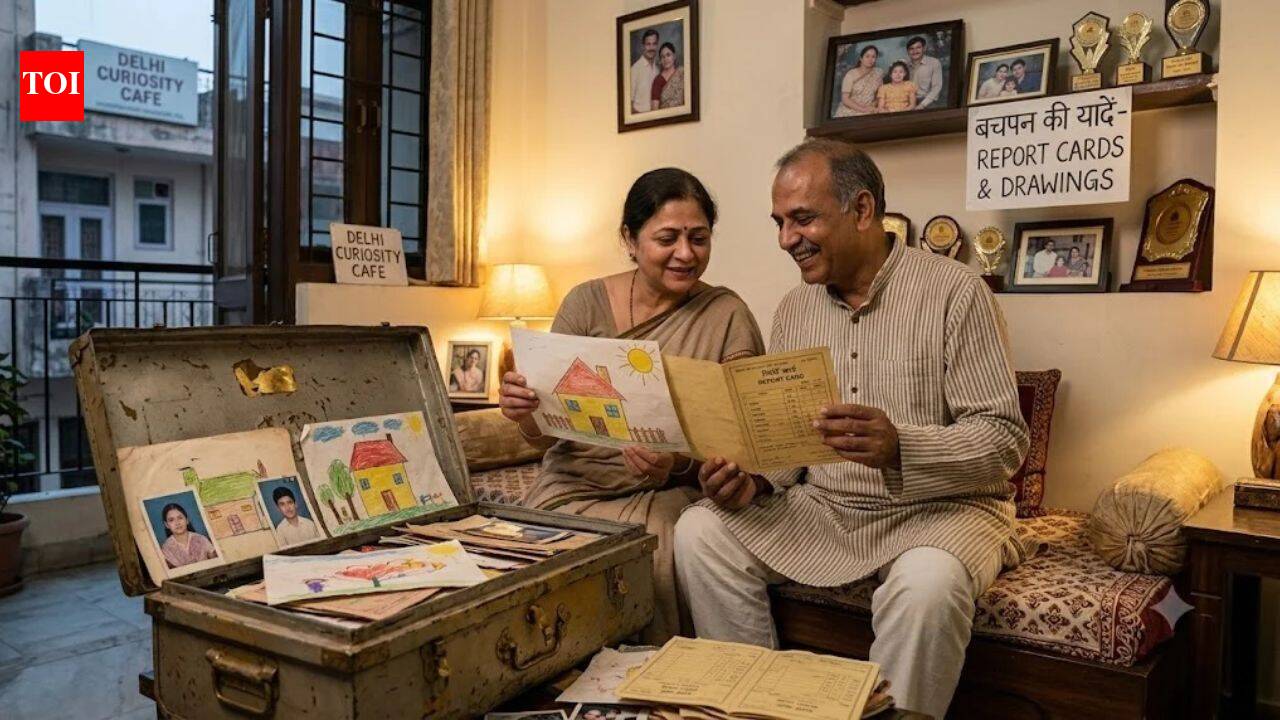
Psychological research suggests that parents retain childhood mementos like report cards and drawings to preserve their own life narratives and manage the passage of time. These items serve as powerful triggers for autobiographical memories, enhancing emotional well-being through nostalgia.
The Psychology of Keepsakes: Why Parents Hold On
For many parents, the act of storing away a child's early scribbles or a weathered report card is an intuitive gesture, yet psychological research suggests it is a deeply complex behavior. These items are far more than physical clutter; they function as anchors for autobiographical memories. By keeping these objects, parents are not merely archiving their child’s development, but are actively curating their own life story as caregivers, cementing moments of connection that might otherwise fade.
The Power of Nostalgia and Emotional Value
Studies in the field of psychology have consistently demonstrated that nostalgic feelings significantly alter our perception of material objects. When a parent views a childhood drawing, the emotional weight of that memory is projected onto the paper, effectively elevating its perceived value. This phenomenon transforms a simple school assignment into a cherished artifact, acting as a bridge between the present moment and the formative years of family life.
Capturing the Swift Passage of Time
Parenting is often described as a series of rapid transitions, and these keepsakes serve as visual evidence of that journey. In the context of a child's growth, these objects act as physical milestones that mark the passage of time. They provide a tangible sense of continuity, allowing parents to revisit the essence of the care, love, and effort invested during specific stages of their child's upbringing.
Preserving the Caregiver's Narrative
Beyond the child's history, these items are intrinsic to the parent's identity. Psychology indicates that by preserving these artifacts, parents are safeguarding their own experiences as educators, protectors, and nurturers. These physical reminders help in processing the evolution of the parent-child relationship, offering a sense of stability as the child moves toward independence.
Broader Implications and Future Trends
As digital mediums become more prevalent, the psychological need to retain physical touchstones remains robust. While digital photos are easily accessible, the tactile nature of a handwritten report card or a crayon drawing offers a sensory experience that digital storage cannot replicate. Future trends in family preservation will likely see a hybrid approach, where parents balance digital convenience with the enduring psychological need for physical relics that ground their personal histories.
Concluding Thoughts
The preservation of childhood artifacts is a fundamental human behavior rooted in the need to maintain identity and emotional health. By keeping these objects, parents ensure that the fleeting, poignant moments of family life are not lost to time, but are instead woven into the ongoing narrative of the family's legacy.