Learning another language may be one of the best ways to keep your brain healthy
Source Entity
Karen Stollznow, The Conversation
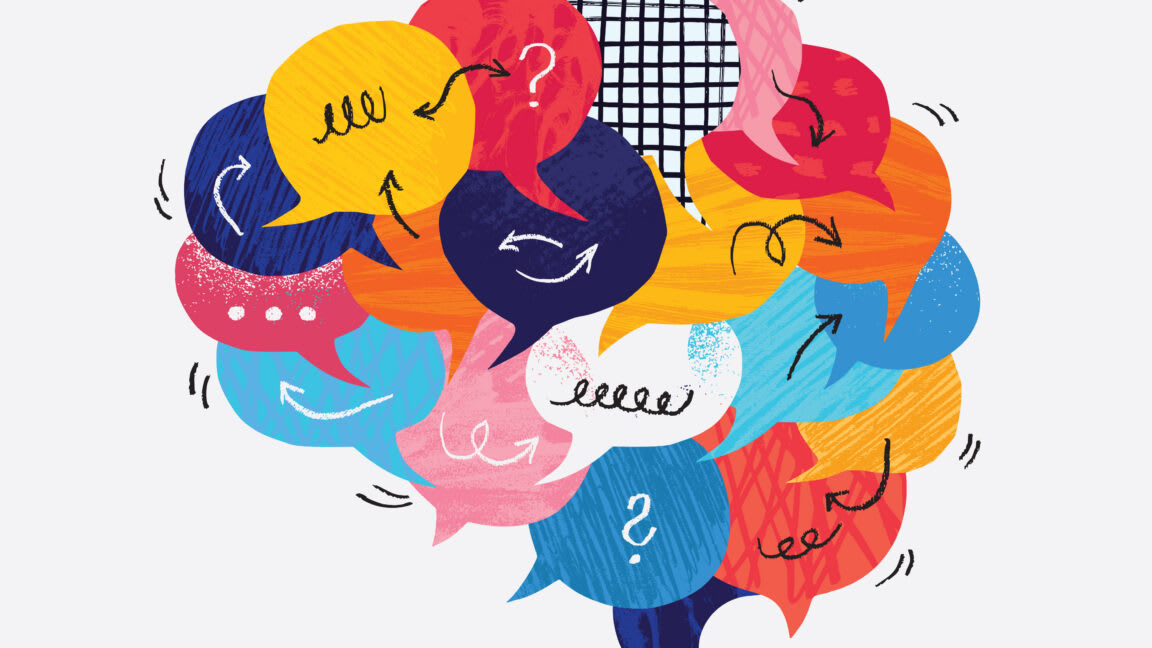
Research indicates that learning a new language acts as a complex mental workout that may bolster cognitive health in aging adults. By engaging multiple brain processes simultaneously, bilingualism serves as a potential protective factor against cognitive decline.
The Cognitive Power of Multilingualism
Recent research highlights a compelling link between the acquisition of a second language and the maintenance of long-term brain health. While many aging adults turn to puzzles or music to stave off cognitive decline, the study of linguistics suggests that language learning offers a uniquely comprehensive form of mental exercise. Because language is not a singular skill but a multifaceted cognitive endeavor, it challenges the brain in ways that few other activities can.
The Mechanics of Linguistic Processing
At its core, learning a new language is a demanding neurocognitive process. It requires the brain to store and retrieve vast amounts of vocabulary, decode unfamiliar phonetic sounds, and internalize complex grammatical frameworks. These tasks must occur in real-time, often necessitating that an individual listen, interpret, and formulate a coherent response simultaneously. This rapid-fire processing requires the brain to switch between systems, fostering neural flexibility.
Language Learning as Cognitive Training
Unlike passive forms of brain stimulation, language acquisition necessitates active engagement across several functional areas of the brain. The necessity of recognizing patterns and applying rules under pressure acts as a form of high-intensity interval training for the mind. By forcing the brain to manage multiple linguistic systems, bilingualism may help build a cognitive reserve, which is essential for maintaining function as the brain naturally ages.
Implications for Aging and Dementia Prevention
For the aging population, the search for effective interventions against memory loss and dementia is constant. While crossword puzzles and musical instruments are popular choices, language learning provides a structural complexity that is arguably more robust. By consistently engaging these specific mental processes, individuals may be able to preserve executive function and delay the onset of age-related cognitive impairment.
Future Trends in Cognitive Health
As our understanding of neuroplasticity grows, it is likely that linguistic education will be increasingly prescribed as a preventative health measure. Future research will likely continue to explore how the intensity and duration of language study correlate with long-term brain resilience. Ultimately, the evidence suggests that the effort required to learn a new language is a worthwhile investment in one's future cognitive longevity.