PT Usha cleared for IOA polls despite objections; 71 voters, big names in fray
Source Entity
The Indian Express
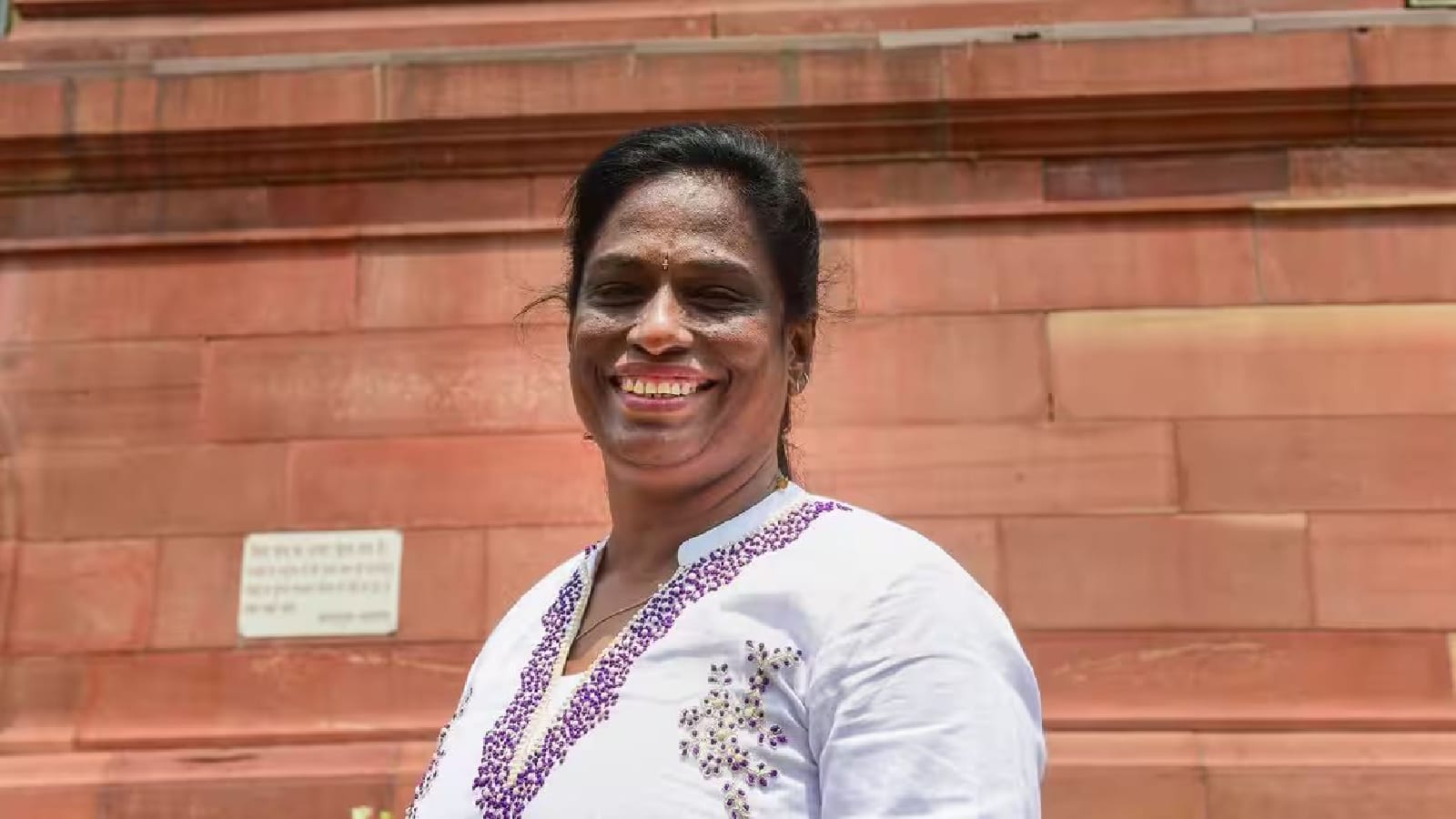
PT Usha has been cleared to contest the upcoming IOA presidential elections after objections to her nomination were rejected by the Electoral Officer. She will represent the Ice Hockey Association of India, joining a 71-member electoral college for the December 5 vote.
The Path to Re-election: PT Usha Cleared for IOA Polls
Indian Olympic Association (IOA) president PT Usha has secured a critical victory in her bid for a second term, following a formal decision by Electoral Officer Sanjay K. Srivastava to reject all objections to her candidacy. The controversy, which centered on her eligibility to represent the Ice Hockey Association of India (IHAI) after failing to secure a spot through the Sportsperson of Outstanding Merit (SOMs) category, has been effectively resolved. This ruling confirms her place in the final 71-member electoral college, solidifying her position as a lead contender in the December 5 elections.
Legal Clarity and Institutional Governance
A pivotal aspect of this decision lies in the interpretation of sports governance regulations. The Electoral Officer’s ruling clarified that there is no existing provision within the IOA Constitution, nor the National Sports Governance Act of 2025, that mandates automatic disqualification for individuals associated with multiple sports federations. By dismissing these procedural objections, the commission has reinforced a precedent that prioritizes the inclusion of experienced administrators over restrictive bureaucratic interpretations, ensuring that the election process remains robust and legally sound.
A High-Stakes Electoral Landscape
The final electoral roll, comprising 71 members, sets the stage for a highly competitive executive council election. Beyond Usha’s candidacy, the participation of renowned Olympic medallists such as Anju Bobby George, Saina Nehwal, and Gagan Narang underscores the high profile of this cycle. Their presence in the fray highlights a broader trend within Indian sports governance—a shift toward integrating decorated athletes into administrative roles, which is intended to bridge the gap between grassroots athletic experience and high-level policy decision-making.
Strategic Implications for the IOA
PT Usha’s successful inclusion in the electoral roll is significant for the continuity of the IOA’s current strategic trajectory. Having served as president, her ability to contest again allows for the potential preservation of ongoing developmental programs and international engagements currently under her purview. The resolution of this nomination dispute removes a major barrier to her campaign, allowing the focus to shift toward the policy platforms and governance agendas that each candidate will present to the electorate in the lead-up to the December 5 vote.
Future Trends in Sports Administration
The resolution of this dispute highlights the increasing scrutiny that accompanies IOA elections. As Indian sports continue to gain global prominence, the administrative bodies governing them face greater pressure to adhere to transparent, rule-based processes. The rejection of these objections serves as an indicator that the IOA is moving toward a more structured legal framework, where eligibility is defined by clear constitutional guidelines rather than subjective challenges. This move toward institutional maturity is essential for maintaining the integrity of Indian sports governance on the international stage.
Conclusion
With the electoral roll finalized and the legal hurdles cleared, the IOA is now positioned to proceed with its scheduled elections. PT Usha’s return to the fray ensures that the upcoming vote will be a definitive contest regarding the future leadership of India's premier Olympic body. As the 71 eligible voters prepare to cast their ballots, the focus now turns to the broader implications of these elections for the nation's sporting future and the continued professionalization of its national federations.