Pune building collapse: Toll up at 9 as last body recovered; official dubs incident 'act of God'
Source Entity
India Latest News: Top National Headlines Today & Breaking News | The Hindu
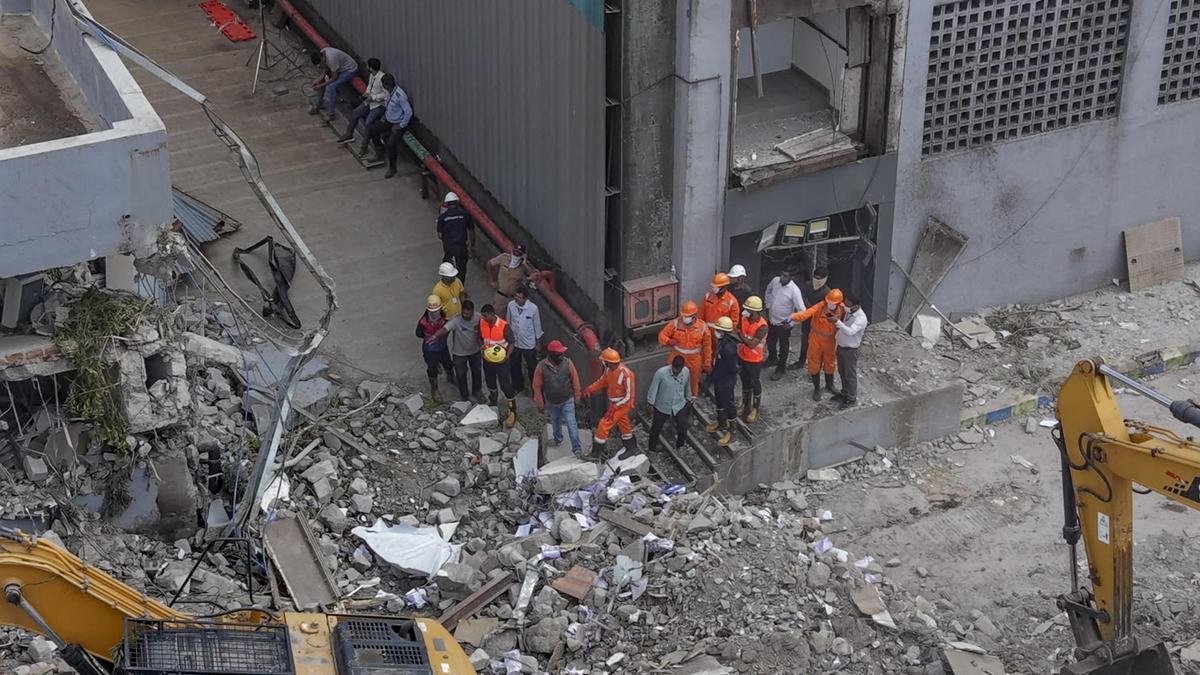
The body of Waman Kasbe, the last missing person, was recovered from the rubble in the wee hours of Sunday, raising the death toll to nine, while 14 persons have been rescued, officials said.
Tragedy in Pune: Building Collapse Claims Nine Lives
The Final Recovery and Rising Toll
The search for the missing following the devastating building collapse in Pune has reached a heartbreaking conclusion. In the early hours of Sunday, rescue teams recovered the body of Waman Kasbe, the last person reported missing in the incident. This recovery has officially raised the death toll to nine, a figure that underscores the severity of the structural failure and the profound loss experienced by the local community.
Rescue Operations and Survival
While the loss of life is devastating, the operation also saw significant success in life-saving efforts. Officials reported that 14 persons were successfully rescued from the rubble. The rescue mission, conducted under high-pressure conditions, required intensive coordination to navigate the unstable remains of the structure. The survival of these 14 individuals provides a small measure of relief amidst the broader tragedy of the nine lives lost.
Analyzing the 'Act of God' Classification
A critical aspect of this event is the official designation of the collapse as an 'act of God.' In legal and insurance contexts, this terminology is often used to describe events caused by natural phenomena that are beyond human control, thereby potentially mitigating liability for developers, engineers, or municipal authorities. This characterization will likely be a focal point for investigators and grieving families, as it shifts the narrative from potential structural negligence or poor maintenance to an unavoidable natural catastrophe.
Urbanization and the Pressure on Infrastructure
The collapse in Pune highlights broader, systemic issues related to rapid urbanization in major Indian cities. As metropolitan areas expand at an unprecedented rate, the demand for housing and commercial space often places immense pressure on municipal planning and building safety enforcement. This incident serves as a stark reminder of the risks associated with inadequate oversight and the critical need for stringent adherence to structural safety codes in densely populated urban environments.
Future Implications and Safety Standards
Looking forward, this tragedy is likely to trigger renewed calls for more rigorous building inspections and stricter enforcement of construction laws. As urban landscapes continue to evolve, the balance between rapid development and public safety must be maintained through enhanced regulatory frameworks. The way authorities handle the investigation into this specific collapse will set a precedent for how similar incidents are addressed and how accountability is assigned in the future.
Summary
In summary, the Pune building collapse has resulted in nine fatalities and 14 rescues. The official stance of an 'act of God' sets the stage for a complex debate regarding structural accountability and the safety of urban infrastructure in a rapidly developing world.
Verification Required?