9 dead in Pune's Moshi building collapse; waste plant operator chief blames heavy rainfall
Source Entity
ALIM SHAIKH
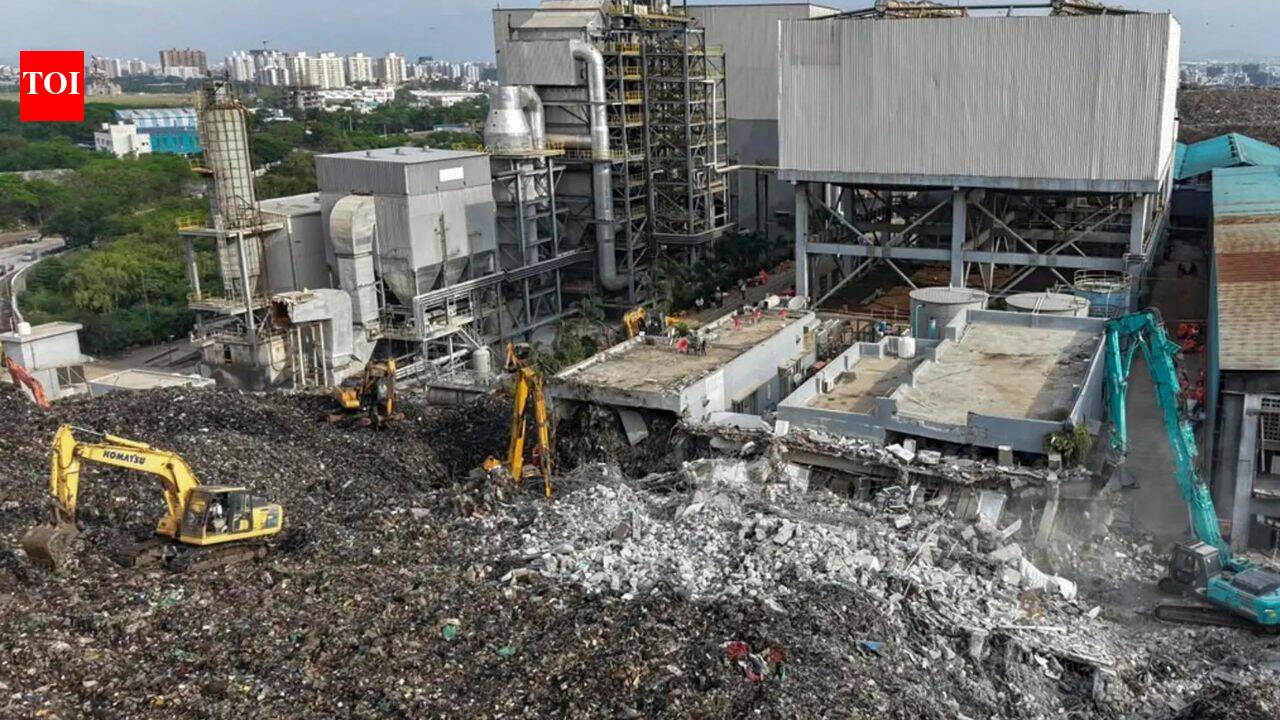
Seven more bodies were recovered from the collapsed building at the Moshi waste-to-energy plant. This recovery brought the total death toll from the incident to eight people. One person remained missing after the structure collapsed on Wednesday afternoon. Rescue teams worked tirelessly for over 79 hours to locate the missing individual. Compensation has been announced for the families of the victims.
Tragedy in Moshi: Fatal Building Collapse at Waste-to-Energy Plant
Overview of the Incident
A devastating structural failure at a waste-to-energy plant in Moshi, Pune, has resulted in a significant loss of life, marking a somber chapter for the local community. The collapse, which occurred on a Wednesday afternoon, sent shockwaves through the region as a building within the industrial facility crumbled, trapping those inside. Reports regarding the exact death toll have been harrowing, with recent recoveries bringing the confirmed number of deceased to at least eight, while one individual remains missing.
The Grueling Rescue Effort
The scale of the disaster necessitated an intensive, multi-day rescue operation. Emergency responders and specialized rescue teams labored for over 79 hours, navigating the unstable ruins of the collapsed structure. The mission was complicated by the physical challenges of the site and the immense pressure to locate the final missing person. While several bodies have been successfully recovered, the search through the debris highlights the harrowing nature of the incident and the immense difficulty faced by first responders in such industrial settings.
Environmental Factors vs. Structural Integrity
In the immediate aftermath, the chief of the waste plant operator has attributed the collapse to the impact of heavy rainfall. This explanation points toward the intense monsoon conditions prevalent in the region, which can often exacerbate existing structural vulnerabilities. However, this claim raises critical questions regarding whether the disaster was an unavoidable consequence of extreme weather or the result of inadequate maintenance and a failure to reinforce structures against seasonal environmental stressors.
Implications for Waste-to-Energy Infrastructure
This incident brings the safety protocols of waste-to-energy plants into sharp focus. As urban centers like Pune increasingly rely on these facilities to manage growing waste volumes, the structural integrity of these plants becomes a matter of public safety. The intersection of heavy industrial activity and environmental stressors requires a rigorous approach to engineering and regular, transparent safety audits to prevent similar catastrophes in the future, especially as climate patterns lead to more unpredictable and intense rainfall.
Regulatory Oversight and Accountability
The tragedy underscores a pressing need for heightened regulatory oversight within the waste management and energy sectors. Moving forward, it will be essential for local authorities to investigate whether the plant met all safety standards and if the heavy rainfall was indeed the primary catalyst or merely a contributing factor to a pre-existing structural weakness. While the announcement of compensation for the victims' families is a necessary immediate step, long-term justice and prevention will depend on a thorough, independent investigation into the plant's operational safety.
Conclusion
The Moshi building collapse is a stark reminder of the risks inherent in industrial operations during extreme weather events. As the community mourns the lives lost, the focus must shift toward ensuring that such a failure never recurs. Comprehensive investigations and stricter adherence to safety regulations are imperative to protect the workers and the public who rely on these essential infrastructure services.