From shikara to pillars, Ganesh mandal recreates Somnath Temple in Pune
Source Entity
The Indian Express
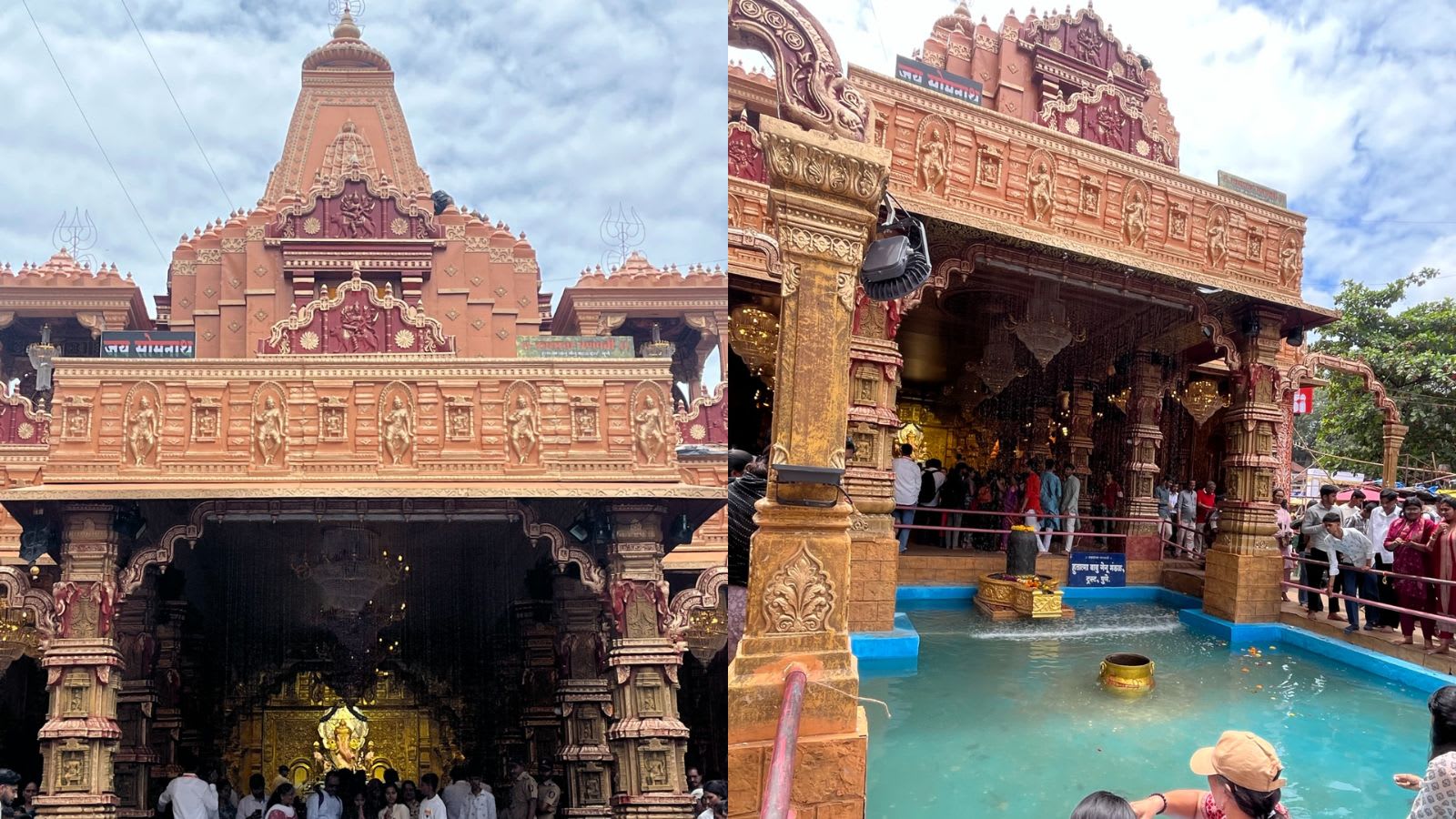
The Navsacha Ganpati mandal in Pune has recreated the historic Somnath Temple as a Ganeshotsav pandal. This tribute commemorates the 53rd year of the mandal, blending architectural artistry with religious devotion.
A Divine Reconstruction: Pune’s Somnath Tribute
During the auspicious occasion of Ganeshotsav, the Hutatma Babu Genu Mandal Trust, widely recognized as Navsacha Ganpati, has unveiled a breathtaking recreation of the Somnath Temple. Located in Pune, this elaborate pandal allows local devotees to experience the grandeur of one of India’s most significant pilgrimage sites without traveling to the coast of Gujarat. The project serves as a testament to the mandal’s commitment to blending artistic expression with deep-rooted spiritual traditions.
Architectural Significance and Faith
As noted by Kishor Dabare, the president of Navsacha Ganpati, this installation transcends simple decoration. By recreating the intricate pillars and structural essence of the Somnath Temple, the organizers have turned a public space into an immersive experience where architecture, faith, and tradition converge. For the thousands of visitors expected during the festival, the pandal acts as a bridge between the local community and the historical sanctity associated with the original Jyotirlinga site.
Historical Context of the Somnath Temple
To understand the gravity of this tribute, one must acknowledge the stature of the Somnath Temple. Often cited as the first among the 12 Jyotirlingas of Lord Shiva, its origins are steeped in antiquity, with some records dating the site to 649 BC, while many historians suggest it is even older. By choosing to replicate such a historically and religiously charged landmark, the Navsacha Ganpati mandal highlights the enduring importance of India's ancient temple architecture in contemporary cultural celebrations.
The Legacy of Navsacha Ganpati
The Hutatma Babu Genu Mandal Trust, established in 1970, has a long-standing tradition of community engagement. Celebrating its 53rd year, the organization has consistently utilized the Ganeshotsav platform to showcase cultural heritage. The decision to recreate the Somnath Temple is a continuation of this legacy, reflecting the mandal’s evolution from a local gathering point to a significant cultural institution that honors national identity through the lens of religious devotion.
Broader Implications and Future Trends
The trend of recreating iconic Indian landmarks within Ganeshotsav pandals reflects a shift toward 'experiential devotion.' As urban populations seek deeper connections to their heritage, mandals are increasingly investing in high-fidelity architectural replicas. This approach not only educates the younger generation about India’s vast historical landscape but also fosters a sense of unity among devotees who may not have the resources or time to undertake long-distance pilgrimages.
Conclusion
The Navsacha Ganpati mandal’s recreation of the Somnath Temple is more than a seasonal decoration; it is a profound cultural statement. By meticulously recreating the architectural beauty of a site as significant as Somnath, the mandal has successfully brought a piece of India’s spiritual history to the heart of Pune. This initiative stands as a vibrant example of how community-led festivals continue to preserve and propagate the nation's architectural and religious narrative.