Country’s first road safety training, research institute to come up in Pune
Source Entity
The Indian Express
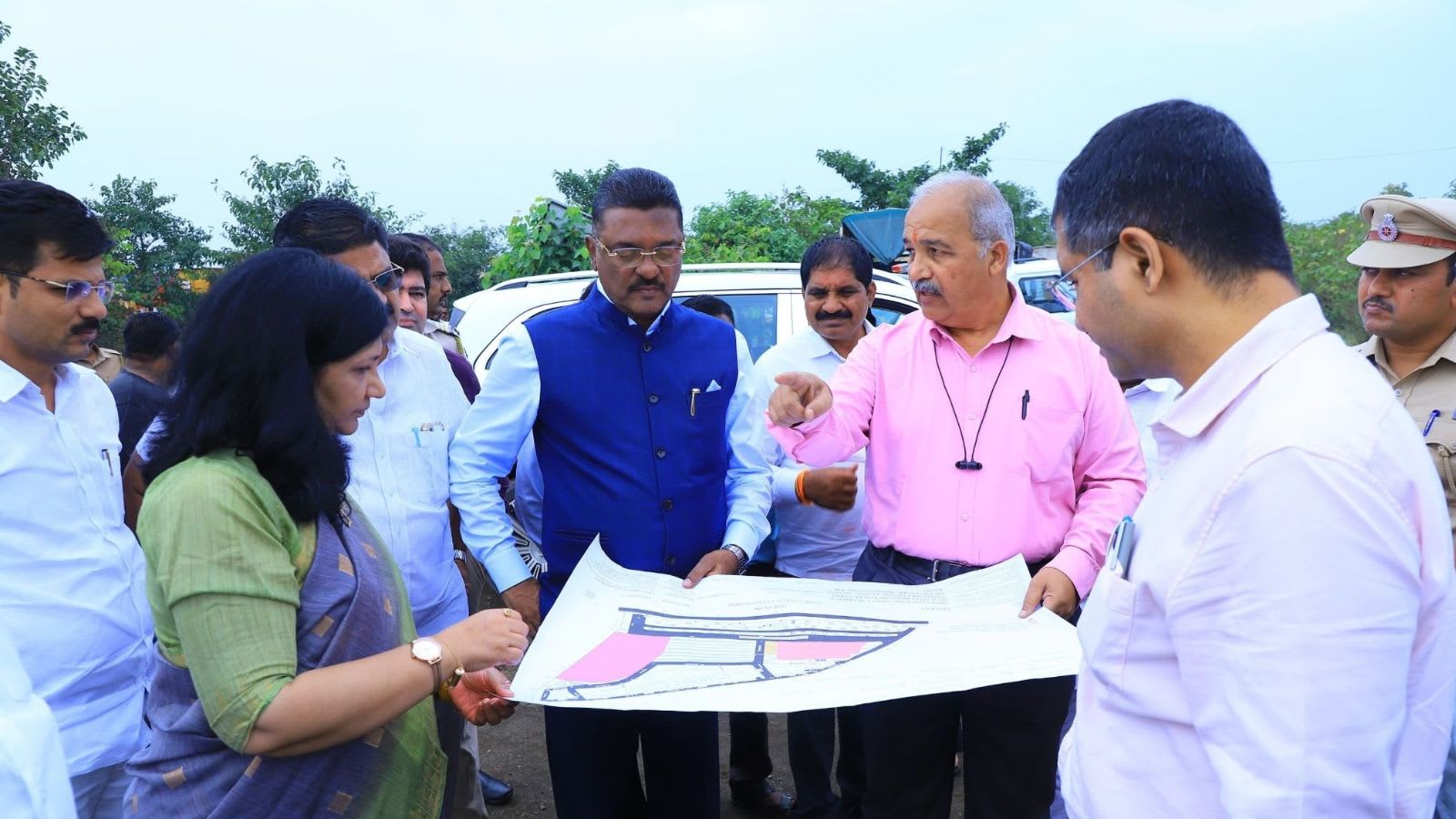
Maharashtra is establishing India's first Road Safety Training and Research Institute in Pune's Saswad area. The facility will integrate advanced technology through automated vehicle testing and driver assessment tracks to improve road safety standards.
Advancing Road Safety Infrastructure in Maharashtra
Maharashtra’s initiative to establish the nation’s first Road Safety Training and Research Institute in Saswad, Purandar taluka, marks a significant pivot in how India approaches vehicular safety and traffic management. By centralizing research and specialized training, the state is moving toward a data-driven model for reducing accidents. The oversight provided by Transport Minister Pratap Sarnaik underscores the government's commitment to prioritizing infrastructure that not only builds roads but also regulates the safety culture surrounding them.
The Three Pillars of the Saswad Facility
The project is defined by three core technological components that are essential for modernizing transport oversight. First, the Automated Testing Station (ATS) represents a move away from manual, subjective vehicle inspections, ensuring that every vehicle on the road meets stringent safety and emission standards. Second, the Automated Driving Testing Track (ADTT) aims to remove human bias from the licensing process, ensuring that only drivers who demonstrate genuine skill and adherence to traffic rules are certified. Finally, the research institute itself will serve as a hub for analyzing accident data and developing long-term safety strategies.
Integrating Technology into Governance
The mandate for officials to use the latest technology in the construction of this facility is a reflection of a broader global trend: the digitalization of transport departments. By utilizing automated systems, the Maharashtra government is effectively reducing the scope for human error and corruption, which have historically plagued regional transport offices. This technological integration is expected to set a benchmark for other states to follow as India continues to struggle with high road accident fatality rates.
Broader Implications for National Safety
The establishment of this institute in Pune district is strategically significant, given the region's high density of vehicular traffic and its status as a major industrial hub. If successful, the Saswad model could serve as a blueprint for a nationwide network of similar facilities. The emphasis on 'research' suggests that the state government intends to use this facility not just for training, but for generating insights into accident patterns, which could eventually inform future state and national legislative policies regarding traffic management.
Looking Toward the Future
As India’s vehicle ownership rates continue to climb, the pressure on existing infrastructure is immense. The creation of a dedicated research institute indicates a shift from reactive measures—such as post-accident emergency response—to proactive, preventative safety education. By fostering a culture of disciplined driving through automated testing and continuous research, Maharashtra is positioning itself as a leader in road safety innovation. The success of this project will likely hinge on the government’s ability to maintain these high standards of technical operation and integrate the research findings into real-world traffic enforcement strategies.