Water cut to resume in Pune from July 15
Source Entity
Ajay Jadhav
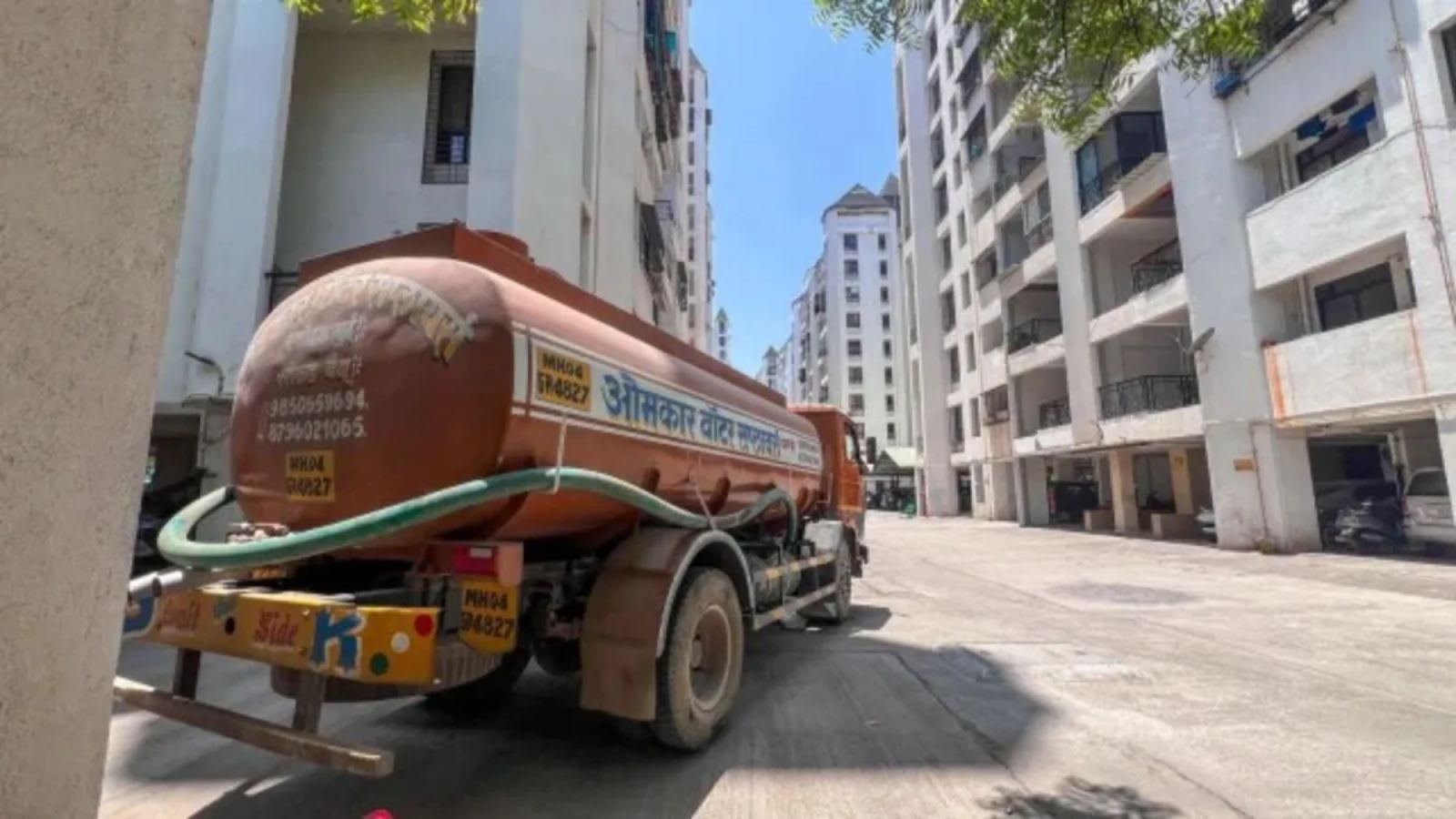
The Pune Municipal Corporation (PMC) had launched a water cut on June 15 by introducing supply on alternate days. The Pune Municipal Corporation has decided to resume its water city in the city from ...
Restoration of Water Supply in Pune: An Analysis of PMC's Utility Management
The Pune Municipal Corporation (PMC) has announced that the restrictive water supply measures implemented across the city will be lifted, with regular service resuming on July 15. This decision follows a month of significant utility constraints that began on June 15, during which the city was placed on an alternate-day water supply schedule. The restoration of full service marks a critical transition point for the city's residents and administrative bodies as they move out of a period of forced conservation.
The Impact of the Alternate-Day Supply
From June 15 to July 15, the PMC enforced a strict alternate-day supply system to manage dwindling water reserves. For the average citizen, this meant a drastic shift in daily routines, requiring households to store large quantities of water and prioritize essential usage. Such measures are typically employed by municipal bodies when the gap between available reservoir levels and urban demand becomes critical. The psychological and logistical stress of managing a home or business on a limited water schedule cannot be understated, making the July 15 resumption a highly anticipated event.
Urban Growth and Infrastructure Strain
This event highlights the ongoing struggle Pune faces regarding its rapid urbanization. As one of India's fastest-growing IT and educational hubs, Pune has seen a massive influx of population, which has put immense pressure on its legacy water distribution infrastructure. The necessity of implementing a water cut in mid-June suggests that the city's current water sourcing and distribution systems are struggling to keep pace with the expanding urban footprint, leading to periodic instabilities in supply.
The Role of Seasonal Water Cycles
Historically, Pune's water security is heavily dependent on the monsoon rains and the levels of the Khadakwasla dam and its surrounding catchments. The timing of the water cut (June 15) and its subsequent lifting (July 15) aligns closely with the arrival of the southwest monsoon. The decision to resume full supply is likely a direct result of improved reservoir inflows caused by early monsoon showers, which allow the PMC to move away from conservation mode and return to standard operating procedures.
Economic Implications of Utility Restrictions
Beyond residential inconvenience, water cuts have a tangible impact on the local economy. Small-scale businesses, including laundries, eateries, and small manufacturing units, rely on a consistent water supply to maintain operations. The month-long restriction likely increased operational costs for these businesses, as many were forced to purchase water from private tankers to fill the gap. The return to normal supply on July 15 will likely provide a much-needed economic reprieve for these micro-enterprises.
Future Trends in Water Management
Looking forward, the recurrence of such water cuts suggests that Pune must transition from a reactive to a proactive water management strategy. To avoid the need for alternate-day supplies in future summers, there is an urgent need for the wide-scale adoption of rainwater harvesting and the implementation of greywater recycling systems. The PMC may need to invest in more diversified water sourcing to reduce the city's over-reliance on a few primary reservoirs, ensuring that the city's growth is sustainable and resilient to climatic fluctuations.
Conclusion
In summary, the resumption of full water supply in Pune on July 15 brings an end to a challenging month of restrictions. While the immediate relief is welcomed, the event serves as a reminder of the fragile balance between Pune's rapid urban expansion and its natural resource availability. The transition back to normalcy is a temporary victory, underscoring the necessity for long-term infrastructure upgrades to secure the city's water future.