To serve 13 lakh citizens CWPRS land boosts PMC hopes for water treatment plant
Source Entity
Ajay Jadhav
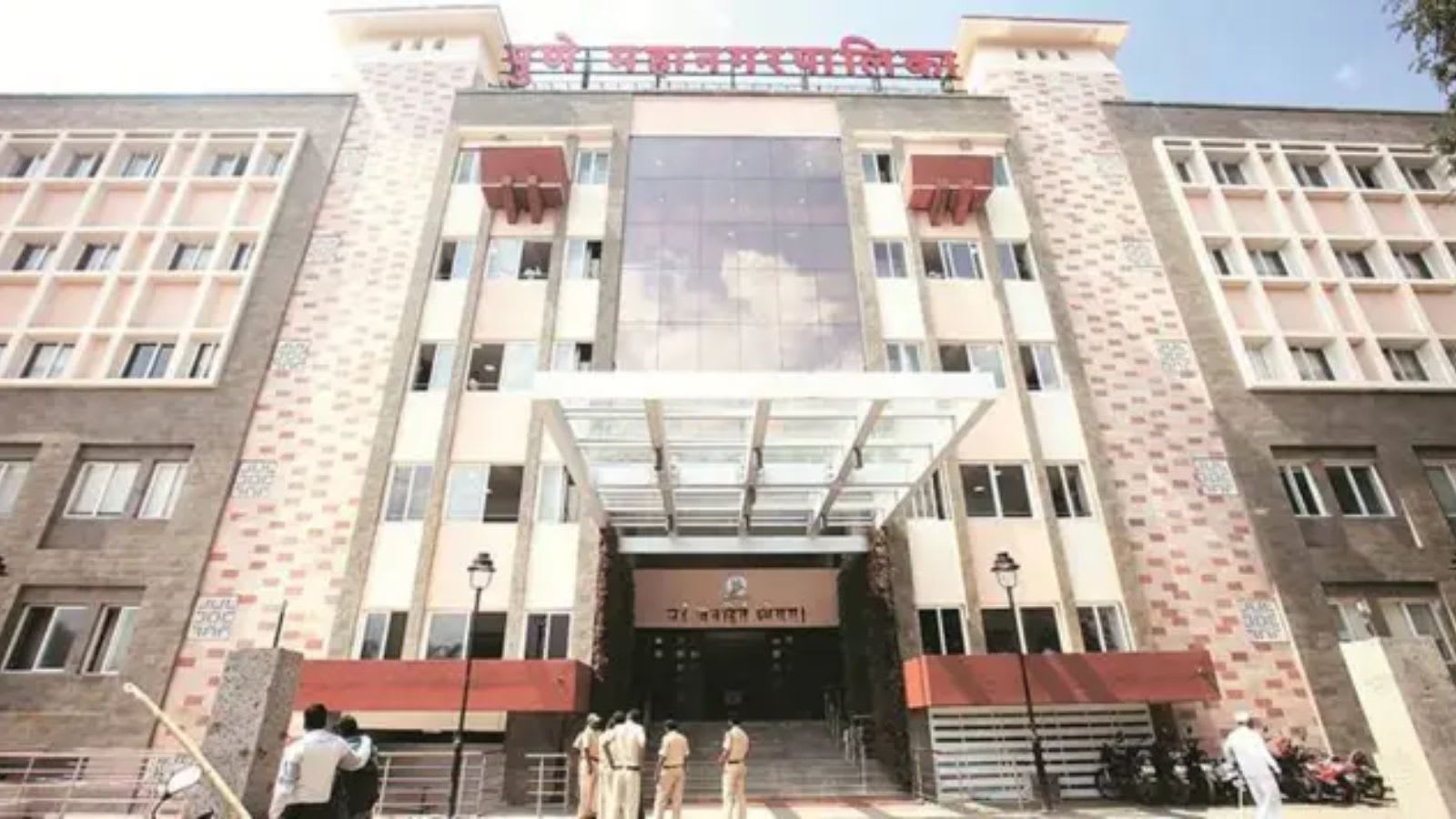
The Pune Municipal Corporation is set to build a 200 MLD water treatment plant after securing land from the CWPRS in Khadakwasla. This project aims to provide reliable water access to 13 lakh residents across 16 newly merged villages.
Addressing Pune's Infrastructure Expansion
The Pune Municipal Corporation (PMC) has reached a significant milestone in its infrastructure development efforts, securing the potential use of 2.5 hectares of land from the Central Water and Power Research Station (CWPRS) in Khadakwasla. This land acquisition is a critical component of the city's strategy to establish a 200 MLD (Million Liters per Day) water treatment plant, a project necessitated by the rapid urbanization and the recent administrative merger of 16 villages into the municipal jurisdiction.
Scaling Capacity for Population Growth
The integration of these 16 villages has placed an unprecedented strain on existing civic utilities, particularly water supply. With a target demographic of 13 lakh residents, the PMC has been under significant pressure to move beyond temporary measures. The proposed plant is not merely a reactionary fix but a long-term strategic investment designed to stabilize water distribution for the newly expanded municipal boundaries while ensuring the system can scale to accommodate future population surges.
Strategic Collaboration Between Civic and Central Bodies
The success of this initiative hinges on the coordination between local governance and central research institutions. Discussions initiated by Municipal Commissioner Naval Kishore Ram with the leadership at CWPRS underscore the complexity of land allocation in a developing urban landscape. By leveraging government-owned land at Khadakwasla, the PMC is effectively bypassing the common hurdle of private land acquisition, which often leads to project delays and inflated budgets.
Engineering and Environmental Implications
Building a 200 MLD facility requires careful planning regarding proximity to water sources and environmental impact. The Khadakwasla location is strategically advantageous due to its proximity to the primary water reservoir, which minimizes transmission losses and pumping costs. This project serves as a case study for how municipal corporations can utilize specialized central government land to solve localized infrastructure crises.
Future Outlook and Urban Sustainability
As Pune continues to evolve into a major metropolitan hub, the reliability of its water infrastructure will dictate its economic competitiveness and quality of life. This water treatment project is a vital piece of the puzzle, signaling a shift toward more proactive urban planning. If completed successfully, it will provide a blueprint for how the PMC can manage the integration of peripheral areas, setting a precedent for sustainable growth in other rapidly expanding Indian cities.
Conclusion
The collaboration regarding the CWPRS land represents a pivotal moment for the PMC and the 13 lakh citizens residing in the newly merged regions. By prioritizing this water treatment plant, the municipal corporation is taking a necessary step toward ensuring equitable resource distribution and long-term civic stability in the face of rapid urban expansion.