Body of Punjab anti-drug activist Jhota brought to Mansa for last rites
Source Entity
India Latest News: Top National Headlines Today & Breaking News | The Hindu
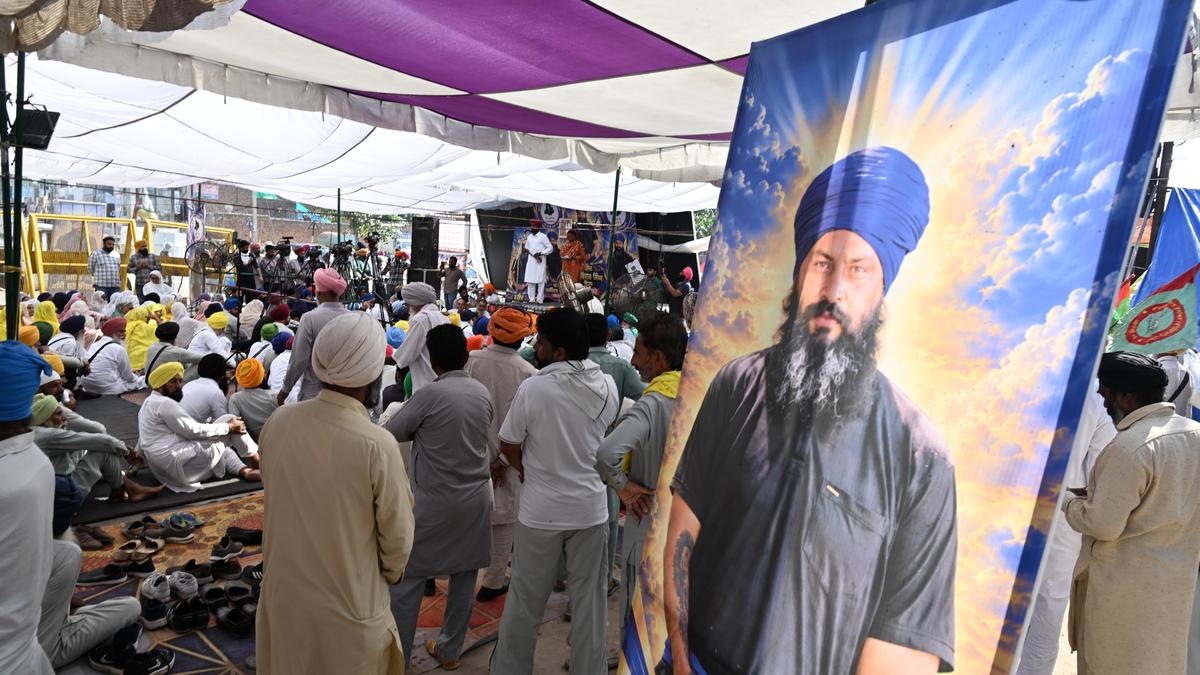
A 27-year-old anti-drug committee member was shot and injured in Punjab's Barnala district, shortly after the funeral of activist Parvinder Singh Jhota. These incidents underscore the rising violence against grassroots anti-narcotics efforts in the region.
Surge in Violence Against Anti-Drug Activists in Punjab
The Kaleke Village Shooting
On November 8, 2026, a 27-year-old member of a local anti-drug committee, identified as Amandeep Singh, was targeted in a shooting at his residence in Kaleke village, Barnala. According to Deputy Superintendent of Police Rajinder Pal, Singh sustained a bullet injury to his thigh during the attack. While the victim remains in stable condition, the incident has sent shockwaves through local community-led efforts to curb the drug menace in the state.
Investigating the Motive
Local law enforcement, led by Dhanaula SHO Baljinder Singh, has moved quickly to identify four local suspects in connection with the attack. While the specific motive remains under active investigation, the timing of the assault suggests a direct correlation to the victim's involvement in anti-drug surveillance. This attack mirrors a broader trend of intimidation tactics used by criminal networks against those who attempt to disrupt the illicit drug trade at the village level.
The Shadow of Parvinder Singh Jhota’s Murder
This recent act of violence occurred against the backdrop of the funeral of Parvinder Singh Jhota, an outspoken anti-drug activist who was murdered in broad daylight on October 13 in Mansa. Jhota had been killed after confronting a medical store owner regarding the sale of addictive substances to an elderly man. The contrast between Jhota's tragic death and the ongoing investigation into the assault on Amandeep Singh highlights the escalating danger facing activists in Punjab.
Societal Implications and Political Fallout
The murder of Jhota sparked significant public outcry and a political row, reflecting the deep-seated frustration among citizens regarding the influence of drug cartels and illegal pharmaceutical distribution. The fact that citizens feel compelled to form their own committees to police their communities speaks to a perceived gap in formal enforcement, yet these volunteers are increasingly becoming primary targets for retaliation by organized criminal elements.
Future Trends and Security Challenges
As authorities in Barnala and Mansa continue their investigations, the state faces a critical challenge in protecting those who act as the first line of defense against the narcotics crisis. The pattern of violence suggests that as community-led monitoring becomes more effective, criminal groups are resorting to more brazen, public, and targeted violence to maintain their operations. Ensuring the safety of these activists will be essential to maintaining the integrity of community-led anti-drug initiatives in the future.
Verification Required?