India News Live Updates, 21 August 2026: Punjab bandh called over release of Sikh prisoners; schools, highway shut
Source Entity
The Indian Express
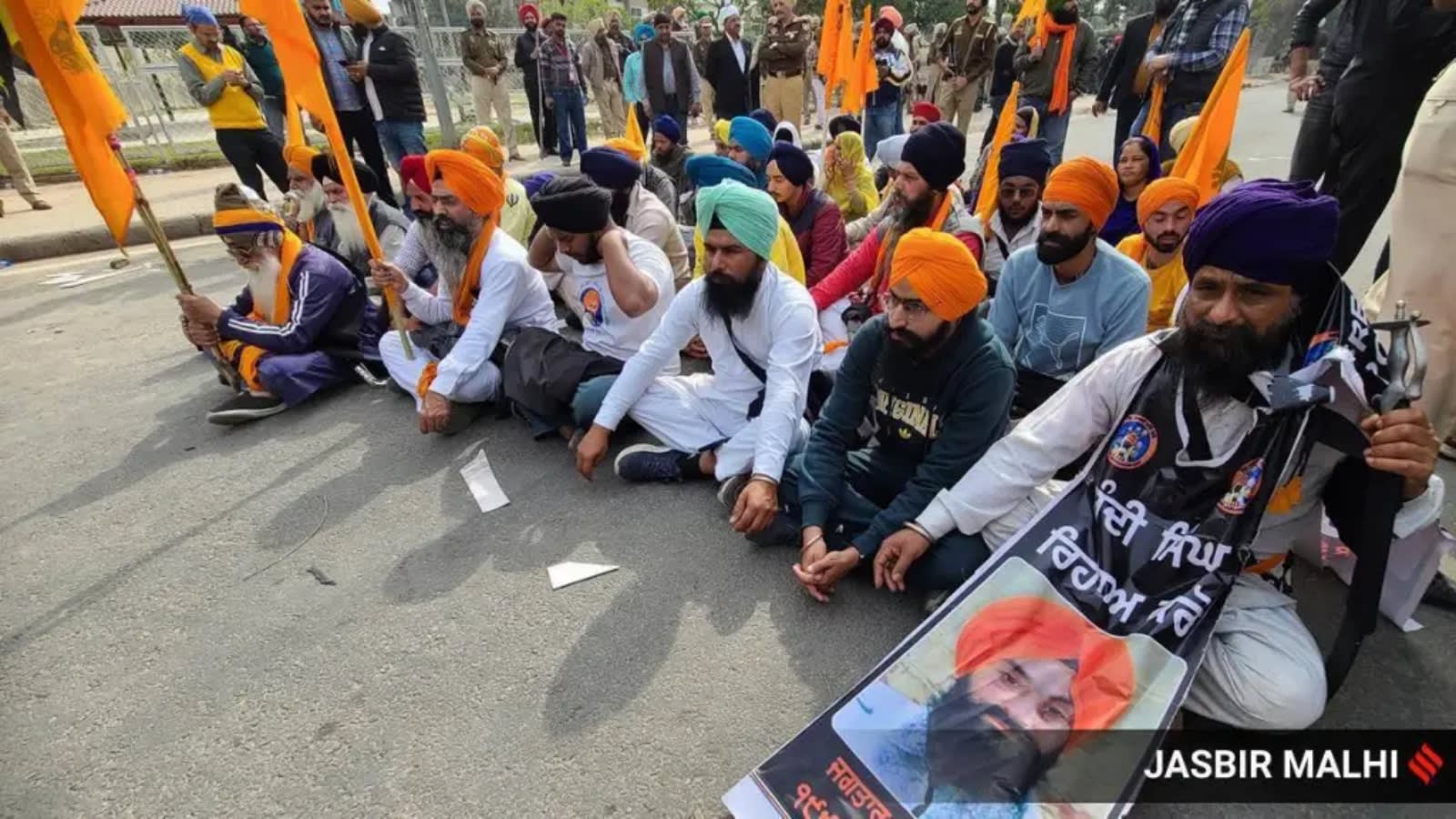
The Qaumi Insaf Morcha organized a statewide bandh in Punjab on August 21, 2026, to demand the release of Sikh prisoners. While the protest caused school closures and highway blockades, authorities maintained security and allowed essential services to operate.
Analysis of the Punjab Bandh: Demands and Public Impact
On August 21, 2026, the state of Punjab experienced a seven-hour statewide bandh called by the Qaumi Insaf Morcha. The protest, which ran from 7:00 AM to 2:00 PM, was organized to advocate for the release of Sikh prisoners, often referred to as 'Bandi Singhs,' who have reportedly completed their sentences. This event highlights a recurring point of tension in the region regarding the legal status and incarceration of these individuals.
Scope and Execution of the Protests
The impact of the bandh was observed to be mixed across various districts. In the Malwa region, several markets remained closed, and there was a noticeable decrease in traffic. However, government offices and emergency services, including hospitals, were largely exempted from the disruption. In cities such as Amritsar, Ludhiana, and Jalandhar, heavy police deployment was visible, reflecting the state's intent to maintain law and order while allowing for the expression of dissent.
Security Measures and Public Order
Authorities took significant steps to manage the situation, particularly at sensitive locations like the Chandigarh-Mohali border. The deployment of the Rapid Action Force and local police at barricades served as a deterrent against potential escalation. In Moga, local law enforcement, including Inspector Gurwinder Singh Bhullar, emphasized that while the protest was underway, emergency vehicles, wedding processions, and funeral attendees were granted safe passage to minimize public hardship.
Operational Disruptions
The protest had a tangible effect on the educational sector, with reports indicating that approximately 7,500 schools were closed in response to the Morcha's appeal. Furthermore, major transport arteries, such as the Barnala-Bathinda National Highway, experienced blockades orchestrated by various organizations, including the Krantikari Kisan Union. Despite these blockades, protesters demonstrated a degree of coordination by allowing ambulances to bypass the dharnas, illustrating a strategic effort to balance their cause with essential humanitarian needs.
Broader Implications and Future Trends
This bandh underscores the persistent influence of the Qaumi Insaf Morcha and their ability to mobilize segments of the population across Punjab. The reliance on 'bandh' as a political tool remains a significant feature of regional activism, often forcing a dialogue between the state administration and various interest groups. Moving forward, the state government faces the ongoing challenge of balancing public order with the democratic right to peaceful protest, while the Morcha continues to leverage such collective actions to maintain pressure regarding the release of Sikh prisoners.
Conclusion
In summary, the August 21 bandh was a well-coordinated, albeit varied, demonstration of public sentiment in Punjab. While the protest led to the closure of schools and temporary highway obstructions, the presence of heavy security and the cooperation of organizers in permitting emergency services ensured that the day did not descend into total chaos. The event serves as a reminder of the unresolved nature of the 'Bandi Singhs' issue and the continued importance of this narrative in Punjab's socio-political landscape.
Multiple Citing Sources