Book documenting Punjab’s democratic history released
Source Entity
Latest News: Todays Latest News Headlines from India & World | Hindustan Times | Hindustan Times
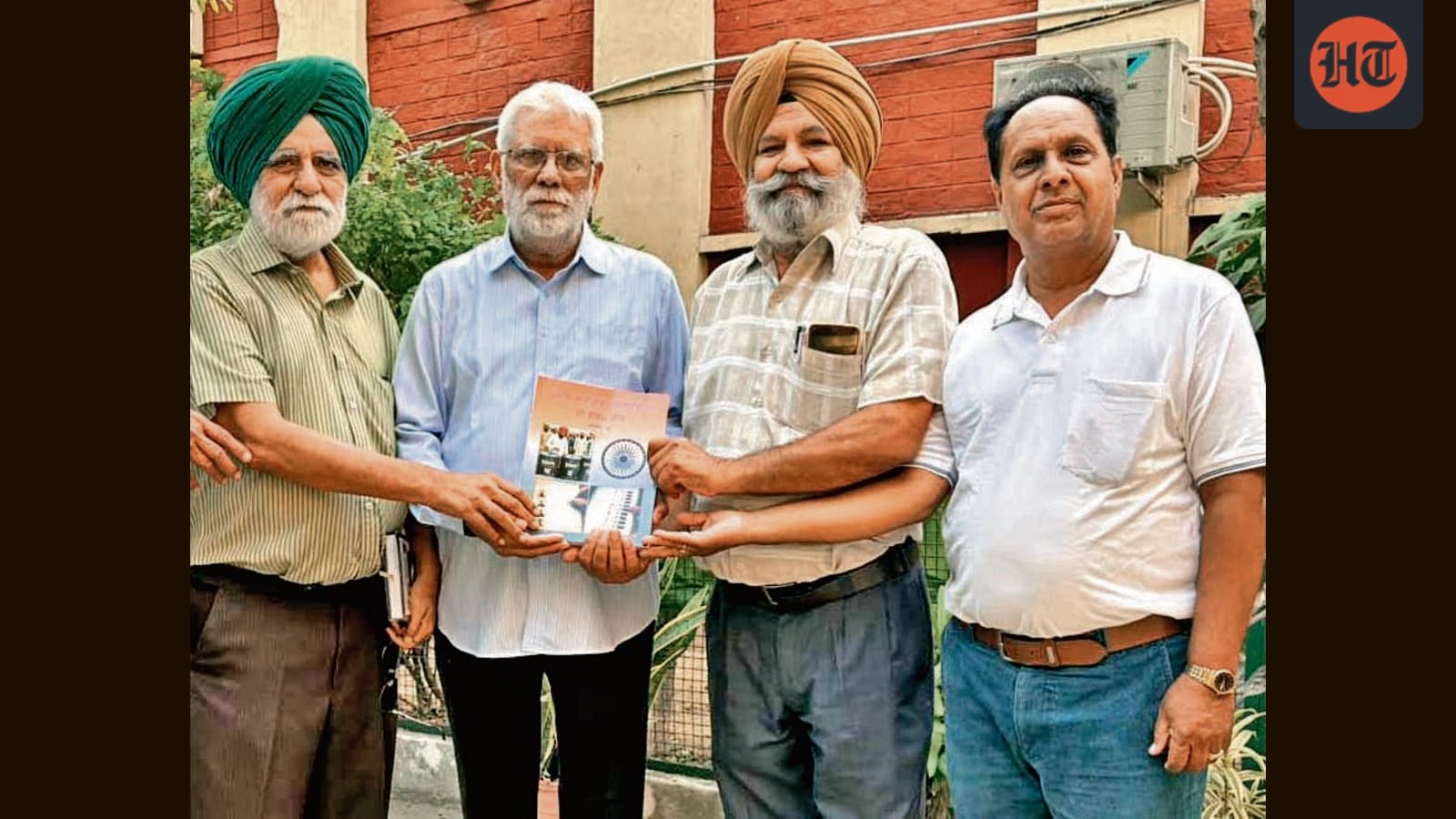
A new book titled 'Punjab De Loktantri Itihas Da Sankhep Saar' by journalist Jatinder Pannu has been released in Ludhiana. The work offers a critical research-based look at Punjab's democratic history and corrects errors found in official archives.
A New Perspective on Punjab's Democratic Legacy
The recent release of Punjab De Loktantri Itihas Da Sankhep Saar marks a significant milestone in the historiography of the Punjab region. Authored by veteran journalist and researcher Jatinder Pannu, the book was unveiled at a literary gathering in Ludhiana, jointly hosted by the Progressive Writers Association and the Punjabi Sahit Akademi. By focusing on the democratic evolution of the state, the work addresses a critical gap in regional literature, moving beyond traditional narratives to provide a more nuanced understanding of how democratic institutions took root in Punjab.
Scholarly Validation and Collaborative Effort
The formal release ceremony, presided over by the globally recognized economist and Padma Bhushan awardee SS Johal, underscores the academic weight of the publication. The collaboration between prominent literary bodies—the Progressive Writers Association and the Punjabi Sahit Akademi—highlights the importance of institutional support in documenting regional history. Such partnerships ensure that the research reaches both the intellectual community and the broader public, fostering a deeper engagement with the state's political heritage.
Correcting the Historical Record
A primary focus of Pannu’s research is the rectification of systemic errors found within official historical records. In many post-colonial societies, official archives often prioritize state-centric narratives, inadvertently sidelining the contributions of grassroots movements and individual activists. By systematically identifying and correcting these discrepancies, Pannu provides a more accurate account of the democratic struggle, ensuring that the legacy of those who contributed to Punjab's democratic framework is preserved with greater fidelity.
The Role of Personalities in Democracy
As noted by Prof. Gurbhajan Singh Gill, the former president of the Punjabi Sahit Akademi, this book functions as more than just a chronological record; it serves as a vital reference document detailing the personalities who shaped Punjab’s democratic journey. By anchoring the narrative in the lives and actions of these individuals, the book humanizes political history. This approach allows readers to connect with the past through the struggles and triumphs of historical figures who might otherwise be forgotten in broad academic summaries.
Broader Implications and Future Trends
The publication of this work signals a growing trend toward critical regional history in India. As researchers continue to challenge established narratives, we are likely to see a shift in how regional democratic histories are taught and understood. This movement towards 'history from below'—which emphasizes the role of local actors and corrects institutional oversights—is essential for a robust democratic culture. By documenting these local contributions, Pannu’s work provides a template for future historians to re-examine regional records across the country.
Conclusion: A Foundation for Future Research
Ultimately, Punjab De Loktantri Itihas Da Sankhep Saar stands as a testament to the necessity of rigorous, independent research. By providing a clarified and corrected history of Punjab's democratic development, Jatinder Pannu has provided a foundational text for students, scholars, and citizens alike. This book not only preserves the past but also serves as a critical tool for understanding the present political landscape, ensuring that the democratic ideals of the region remain firmly rooted in factual history.
Verification Required?