15 Days After Cremation, Punjab Family Gets A Call: 'Your Son Is Alive'
Source Entity
NDTV News Search Records Found 1000
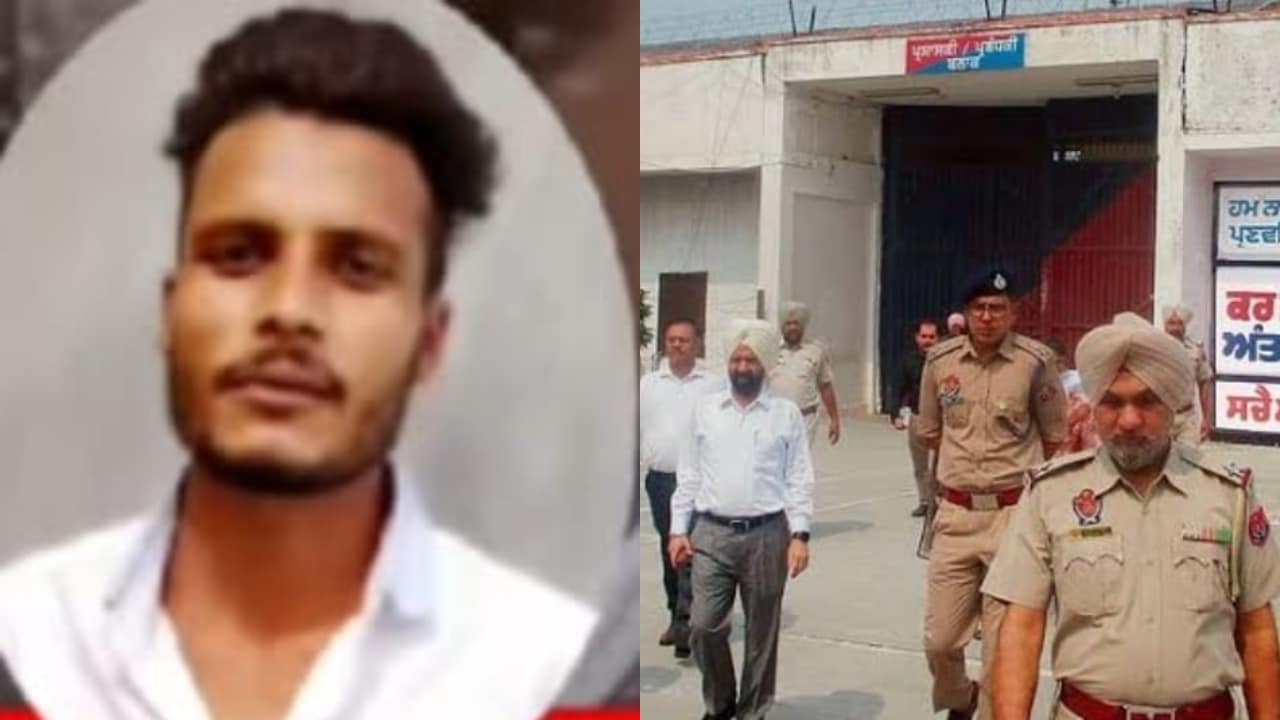
A Punjab family was shocked to receive a phone call stating their son, Ravi Kumar, was alive 15 days after they had performed his cremation. The incident follows Ravi's arrest by Jalandhar Police for a loitering-related offense a month prior.
A Case of Mistaken Identity and Procedural Failure
The recent incident in Jalandhar, where a family performed the final rites for a man they believed to be their son, Ravi Kumar, only to receive a phone call 15 days later stating he was alive, highlights a harrowing breakdown in administrative and law enforcement protocols. Ravi Kumar had been arrested by local police approximately one month prior to this event on charges related to loitering. This case raises profound questions regarding how the state manages detainees and the standard operating procedures for identifying bodies in police custody or morgues.
The Breakdown of Identification Processes
When a family is asked to identify a body, it is a moment of extreme emotional distress, which inherently compromises an individual's ability to objectively verify physical traits. The fact that the family proceeded with cremation suggests a failure at the institutional level to provide a definitive, forensic identification of the deceased. Whether through the lack of biometric verification or negligent visual confirmation protocols, the system failed to protect the dignity of the deceased and the mental well-being of the grieving family.
Accountability in Police Custody
The core of this issue lies in the custody chain of the Jalandhar Police. If an individual is arrested—even for a minor offense like loitering—the state assumes a duty of care. The confusion between an incarcerated individual and a deceased person suggests a lack of robust record-keeping and tracking of detainees. When a detainee is processed, their status must be updated in real-time; the failure to distinguish between a living prisoner and a corpse indicates a significant administrative lapse that warrants a high-level inquiry.
Broader Implications for Law Enforcement
This incident is not merely a local tragedy; it serves as a stark reminder of the necessity for modernization in police administrative systems. Across many jurisdictions, manual record-keeping remains prone to human error. Transitioning to integrated digital databases that link arrest records, hospital records, and morgue admissions is essential to prevent such traumatic mix-ups in the future. The emotional and psychological toll on a family that has already mourned a loved one only to find them alive is immeasurable.
Future Trends and Necessary Reforms
Moving forward, transparency in the handling of detainees and deceased individuals must be prioritized. Future policies should mandate DNA testing or mandatory fingerprint verification for all unidentified bodies before they are released to families, especially in cases where the body may be decomposed or damaged. By implementing rigorous verification standards, law enforcement agencies can ensure that families are never again subjected to the trauma of burying someone else while their own relative remains in custody.
Conclusion
Ultimately, the case of Ravi Kumar is a cautionary tale regarding the dangers of bureaucratic negligence. As authorities in Jalandhar investigate the chain of events that led to this error, the broader takeaway is the urgent need for systemic reform. Restoring public trust in the police requires not only accountability for this specific lapse but a fundamental shift toward accuracy and empathy in the treatment of citizens within the legal system.
Verification Required?