Punjab Police's Saanjh Rahat Kendras handled over 1,000 cases in two years, says DGP
Source Entity
Latest News: Today's Latest News Headlines from India & World | Hindustan Times | Hindustan Times
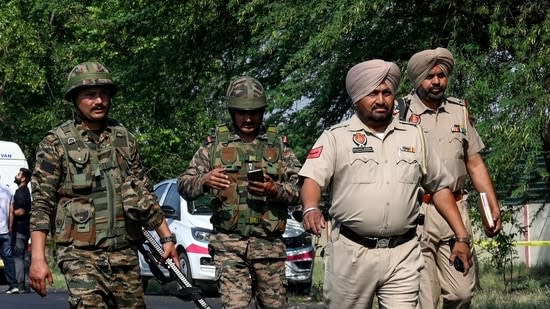
Punjab Police's Saanjh Rahat Kendras have successfully registered and handled over 1,000 cases involving women in distress over the last two years, highlighting a significant improvement in accessible community policing.
Empowering Women Through Community Policing: An Analysis of Punjab's Saanjh Rahat Kendras
In a significant update on law enforcement and social welfare, the Director General of Police (DGP) of Punjab has announced that the Saanjh Rahat Kendras have successfully handled over 1,000 cases over the span of two years. This initiative is specifically designed to provide a safe, accessible, and supportive environment for women in distress, marking a pivotal shift in how the state police interact with vulnerable populations. By creating dedicated spaces for grievance redressal, the Punjab Police are attempting to bridge the gap between the citizenry and the state's legal machinery.
Breaking the Barrier of Police Intimidation
Historically, one of the greatest hurdles in reporting crimes against women in India has been the perceived intimidation of traditional police stations. The atmosphere of a standard thana can often be overwhelming or hostile for survivors of domestic violence or harassment. The establishment of Saanjh Rahat Kendras addresses this psychological barrier by providing a more empathetic and approachable interface. By registering over 1,000 cases, these centers have demonstrated that when the environment is modified to be more supportive, women are more likely to come forward and seek legal recourse, thereby increasing the official reporting rate of crimes that previously went unnoticed.
The Strategic Role of Community-Centric Policing
The 'Saanjh' concept—which implies a partnership or a shared space—is rooted in the philosophy of community policing. Rather than acting solely as an enforcement body, the police are transitioning into a service-oriented role. The success of these centers suggests that decentralized help-desks can act as an effective triage system, filtering cases and providing immediate emotional and procedural support before escalating matters to formal investigations. This systemic change not only empowers the victim but also streamlines the workload of the police by organizing cases through a specialized channel focused on gender-sensitive handling.
Quantitative Success and Qualitative Impact
While the figure of 1,000 cases provides a quantitative measure of success, the qualitative impact is perhaps more profound. Each case registered represents a woman who felt secure enough to trust the state with her grievance. In the context of Punjab's social fabric, where familial and societal pressures often discourage women from reporting domestic disputes, these centers serve as a critical lifeline. The ability of these centers to maintain a consistent flow of case registrations over two years indicates a growing trust in the efficacy of the Rahat Kendras as a reliable mechanism for justice.
Broader Implications for Public Safety and Governance
This initiative aligns with broader national trends in India toward the 'modernization of police forces' and the implementation of gender-sensitive policing guidelines. By integrating specialized support centers into the police infrastructure, Punjab is creating a blueprint for other states to follow. The broader implication is a shift toward 'preventative and supportive' governance, where the state proactively creates avenues for the marginalized to seek help, rather than waiting for victims to navigate a complex and often daunting bureaucratic system.
Future Trends in Law Enforcement Outreach
Based on the current trajectory, it is likely that the Punjab Police will further expand these centers or integrate them with digital reporting tools to increase reach in rural areas. We can expect a trend toward more specialized 'help-desks' for other vulnerable groups, such as the elderly or children, following the success of the women-centric Rahat Kendras. Furthermore, the data gathered from these 1,000+ cases will likely be used to identify crime hotspots and social trends, allowing the police to deploy resources more effectively to prevent crimes before they occur.
Conclusion
The achievement of the Saanjh Rahat Kendras is a testament to the power of empathetic policing. By prioritizing the comfort and safety of women in distress, the Punjab Police have not only resolved over a thousand cases but have also fostered a culture of trust and accountability. As these centers continue to evolve, they will remain essential in the ongoing effort to ensure that justice is accessible to all, regardless of gender or social standing.
Verification Required?