Custodial torture row: Punjab transfers DSP, send three others to police lines
Source Entity
Raakhi Jagga
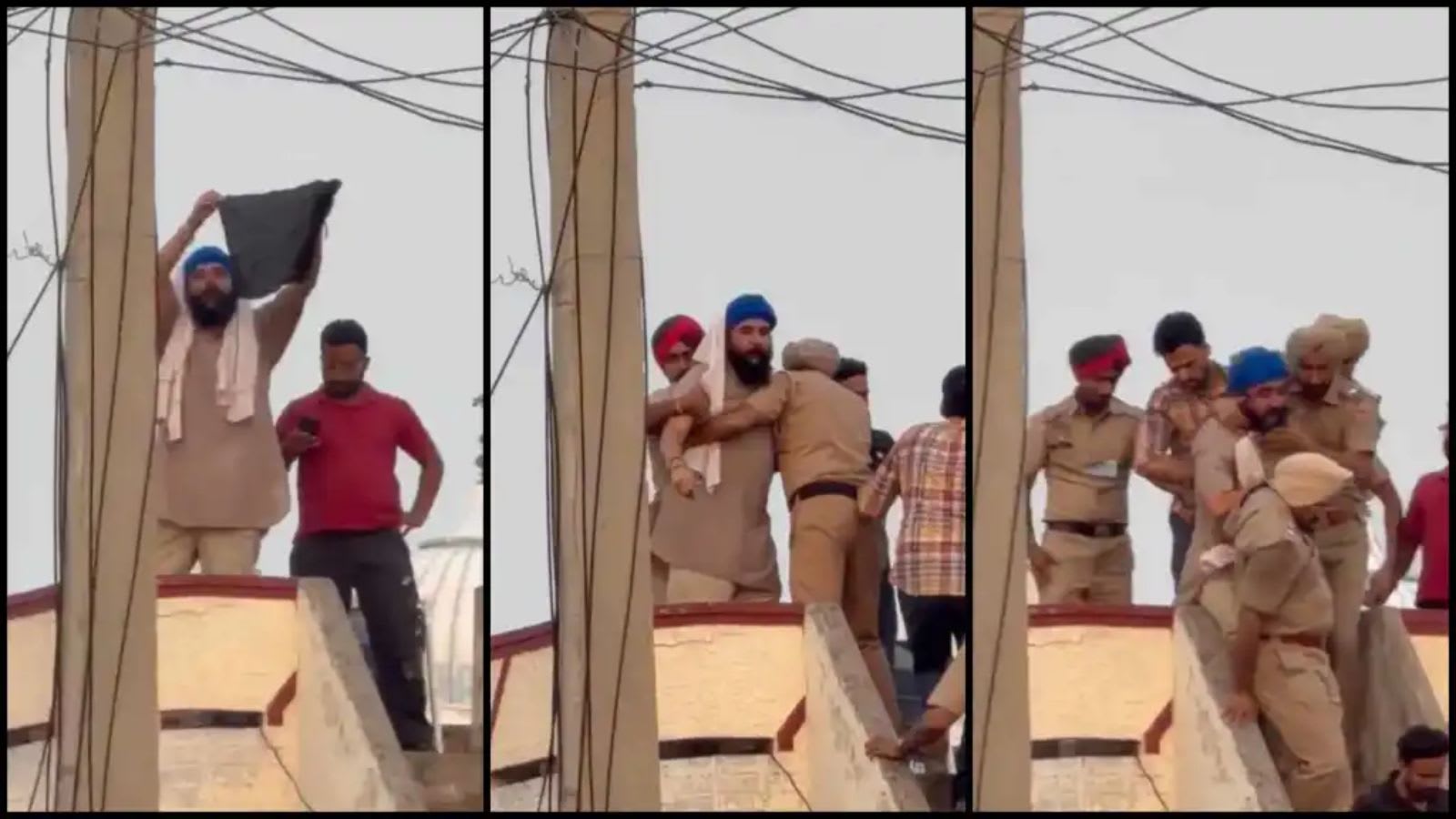
Punjab Police have transferred several officers, including a DSP, following allegations of custodial torture against a man who protested against Chief Minister Bhagwant Mann. The move comes amid intense public and political pressure regarding the treatment of the detainee.
Administrative Shake-up in Sunam Following Allegations
The Punjab Police administration has initiated a significant reshuffle in the Sunam region, transferring Deputy Superintendent of Police (DSP) Harvinder Singh Khaira and three other officers to the police lines. This decision comes in direct response to escalating public and political outcry regarding the alleged custodial torture of Mohanjeet Singh, a resident of Sheron village. The gravity of these allegations has forced an immediate administrative intervention to restore order and address concerns regarding police conduct.
The Incident and Its Catalyst
The controversy stems from the detention of Mohanjeet Singh, who was apprehended after displaying black flags to Punjab Chief Minister Bhagwant Mann. While the act of protest is a democratic right, the subsequent treatment of the individual while in police custody has triggered a widespread debate on the boundaries of law enforcement and the protection of civil liberties. The shift of these officers serves as a preliminary step while the allegations of physical abuse are examined.
Breakdown of the Personnel Transfers
According to the official mandate, the transfers were executed on administrative grounds with immediate effect. DSP Harvinder Singh Khaira has been reassigned to the First Commando Battalion in Bahadurgarh, Patiala. Simultaneously, Inspector Parteek Jindal, Station House Officer (SHO) of Sunam, Sub-Inspector Baljit Singh, SHO of Cheema, and Assistant Sub-Inspector Harpreet Singh have been moved to the Sangrur Police Lines. This widespread displacement of leadership suggests a serious view taken by the senior police hierarchy regarding the conduct of the local force.
Broader Implications for Law Enforcement
This incident highlights a growing tension between state security protocols and the rights of citizens to express dissent. When law enforcement agencies face accusations of torture, it undermines public trust in the institutional integrity of the police force. The move to transfer these officers is a standard administrative procedure to ensure a fair and impartial inquiry, preventing any potential interference from those accused in the ongoing investigation.
Historical Context and Future Trends
Custodial violence has long been a sensitive topic in Indian policing, often resulting in judicial intervention and calls for systemic reform. In the context of Punjab, where political protests are frequent, the handling of dissenters remains a metric by which the government’s commitment to human rights is judged. Future trends will likely see increased scrutiny on police training and the implementation of mandatory body cameras or CCTV surveillance in interrogation rooms to prevent such incidents from occurring.
Conclusion
The transfer of the Sunam-based officers marks a pivotal moment in the current investigation. As the Punjab Police moves forward, the primary challenge remains ensuring that the inquiry into Mohanjeet Singh’s treatment is transparent and thorough. The outcome of this case will not only impact the careers of the officers involved but will also serve as a test case for how the administration balances political stability with the fundamental rights of its citizens.