From four hours to 14: Punjab industry bears brunt as power crisis deepens
Source Entity
Raakhi Jagga
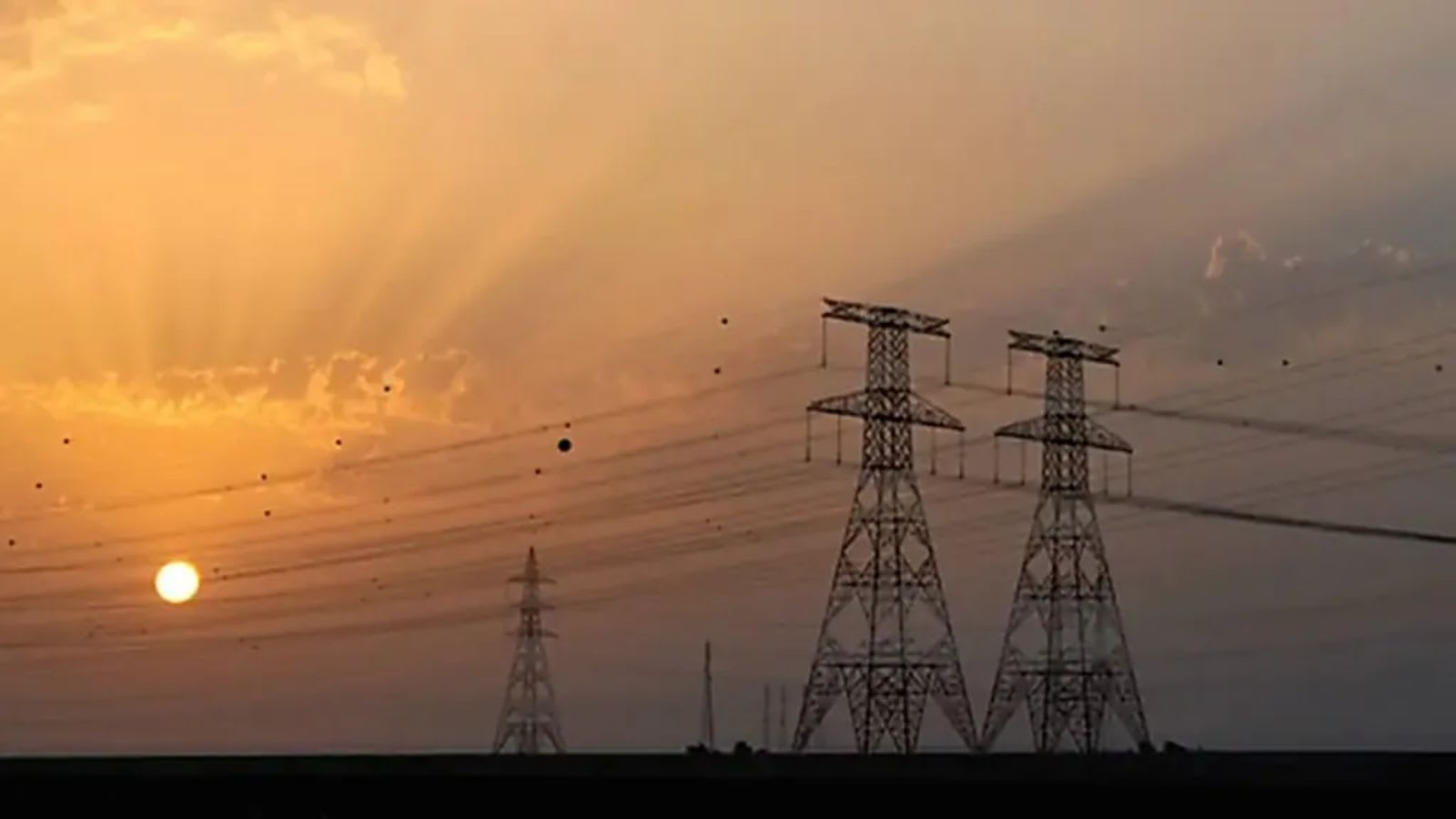
Punjab is facing an escalating power crisis, with industrial shutdowns reaching 14 hours and domestic outages causing widespread disruption. The state government blames a shortfall in central power allocation, while the rice milling industry warns of severe economic distress and logistics chaos.
The Deepening Energy Crisis in Punjab
The state of Punjab is currently grappling with a severe power crisis that is threatening both its industrial output and its agricultural supply chain. As of September 2026, the situation has escalated drastically, with industrial consumers in Categories 2 and 3 facing scheduled power cuts of up to 14 hours. This represents a significant deterioration from earlier in the month, when restrictions were limited to four-hour windows. The impact is not confined to the industrial sector; domestic consumers are also reporting frequent, unscheduled outages lasting four to five hours daily, signaling a systemic failure in the state's energy distribution stability.
Industrial Paralysis and Economic Consequences
The industrial sector, which serves as the backbone of Punjab's economy, is bearing the brunt of these restrictions. The extension of power shutdowns—notably from 8 pm to 6 am—has effectively neutralized night shifts, forcing factories to suspend operations. The Rice Millers and Exporters Association has raised an alarm, noting that the inability to power drying and processing machinery has led to a massive backlog in paddy lifting. This bottleneck is creating chaos in market yards, directly impacting the livelihoods of Basmati-growing farmers who cannot move their produce into the supply chain.
The Political and Administrative Standoff
At the heart of the crisis is a dispute over energy allocation. Punjab Power Minister Tarunpreet Singh Sond has publicly addressed the shortfall, stating that the state is receiving 1,051 MW less than its mandated share from the Central Power pool. The administration is currently pressuring the central government to rectify this deficit immediately. This administrative friction has sparked political backlash, with critics questioning the efficacy of the state's 'Roshan Punjab' (Bright Punjab) initiatives, arguing that the current reality of widespread blackouts stands in stark contrast to the government's previous promises of power reliability.
Agricultural Supply Chain Vulnerability
Agriculture is the lifeblood of Punjab, and the rice milling industry is a critical component of its export economy. Because rice must be processed and dried shortly after harvest to maintain quality, the lack of electricity at critical junctures is more than an inconvenience; it is an existential threat to the season's yield. The Association’s communication with the Secretary of Power underscores a state of “serious crisis and distress,” highlighting that if the power situation does not stabilize, the state risks significant financial loss and a potential collapse in the procurement process for the current season.
Future Implications and Outlook
The current trajectory suggests that unless central and state authorities reach a consensus on power distribution, the industrial and agricultural sectors will continue to suffer. If the 14-hour cuts persist, small and medium-sized enterprises may face permanent closure, while the state's reputation as a reliable agricultural export hub could be tarnished. Future trends indicate that Punjab must urgently look toward diversifying its energy mix and upgrading its grid infrastructure to prevent such extreme volatility in the future. Without immediate structural intervention, the state faces a prolonged period of economic instability that will likely dominate the regional political discourse for months to come.