In Punjab villages, crowds at Satluj shows, a chorus: ‘Those dark days should never return’
Source Entity
Raakhi Jagga
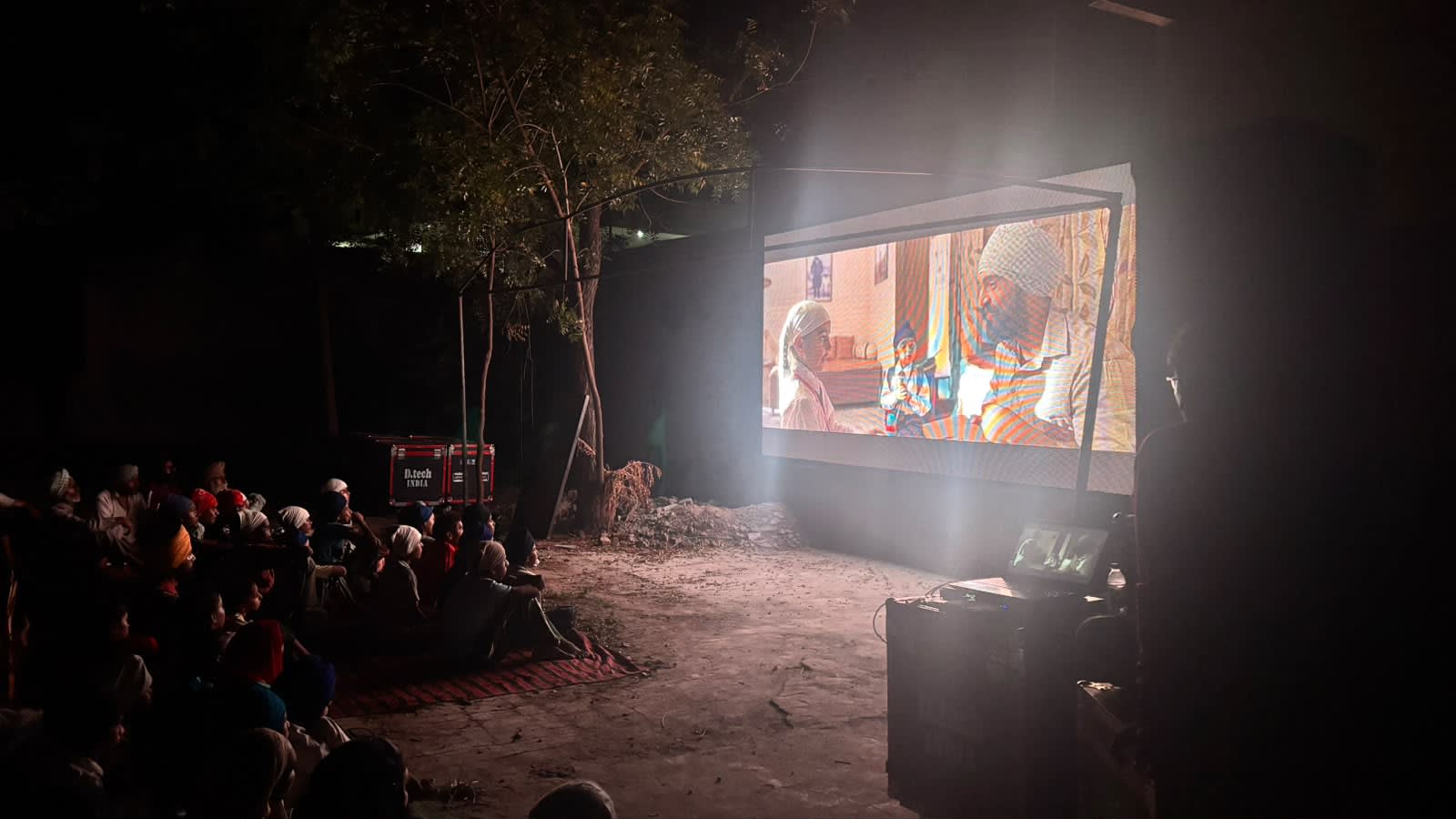
At 8.30 pm on Thursday, a vacant plot next to the Guru Tegh Bahadur Sahib Gurdwara in Jangpur village of Ludhiana is packed. Women and men sit on mats, their heads covered, including with handkerchief...
The Echoes of Memory in Jangpur
In the quiet village of Jangpur, located in the Ludhiana district of Punjab, a profound sense of collective memory has taken center stage. Under the cover of night, near the Guru Tegh Bahadur Sahib Gurdwara, residents have been gathering in significant numbers. These meetings, characterized by a somber atmosphere and a shared sense of purpose, are not merely social gatherings; they are communal reflections on a history that continues to shape the psyche of the region. The phrase frequently heard among the crowd—'Those dark days should never return'—serves as a powerful, albeit implicit, invocation of the trauma experienced by the state during its most turbulent periods.
Historical Context: The Shadow of the Past
To understand the gravity of the villagers' sentiments, one must look back at the historical context of Punjab. The 'dark days' referenced by the residents are widely understood to be the period of intense insurgency, militancy, and socio-political instability that gripped the state during the 1980s and early 1990s. This era was marked by widespread violence, communal tension, and a profound sense of insecurity that permeated every level of society, from urban centers to the smallest agrarian villages like Jangpur. For those who lived through this period, the memory of instability is not a distant historical fact but a lived experience that informs their current desire for peace and order.
The Role of Communal Spaces and Ritual
The setting of these gatherings—a vacant plot adjacent to a Gurdwara—is deeply symbolic. In Punjabi culture, the Gurdwara serves as more than a religious institution; it is a cornerstone of community life, a place for social cohesion, and a sanctuary for collective thought. By gathering in these spaces, the men and women of Jangpur are utilizing traditional communal structures to process collective trauma. The act of sitting together on mats, heads covered in respect, creates a shared space of vulnerability and solidarity, allowing the community to reinforce its values and its shared commitment to stability.
Societal Implications: The Fragility of Peace
The recurring chorus of fear regarding the return of past instabilities highlights the perceived fragility of the current peace. Even in times of relative prosperity and calm, the specter of historical unrest remains a potent psychological force. This sentiment suggests that the peace enjoyed in Punjab is viewed not as a permanent state, but as something that requires constant vigilance and social harmony to maintain. The gatherings indicate that the lessons of the past are being actively passed down, serving as a cautionary tale for the younger generations who did not experience the height of the unrest firsthand.
Predicting Future Trends: The Importance of Social Cohesion
Looking forward, the intensity of these communal reflections suggests that social cohesion and the preservation of historical memory will remain critical factors in Punjab's political and social landscape. As the region navigates modern challenges—ranging from agrarian concerns to shifting political alignments—the underlying desire for stability will likely drive community-led efforts to prevent radicalization or social fragmentation. The ability of local communities to maintain these dialogue-heavy, reflective spaces may serve as a vital buffer against the recurrence of the radicalized sentiments that characterized the 'dark days.'
Conclusion
Ultimately, the gatherings in Jangpur are a testament to the enduring power of memory. The villagers' plea is a collective prayer for continuity and a rejection of the chaos that once defined their lives. By remembering the 'dark days,' they are not merely dwelling on the past, but are actively participating in the construction of a more stable and peaceful future, ensuring that the shadows of history do not eclipse the progress of the present.