Rath Yatra: Pulling of chariots resumes amid chants of 'Jay Jagannath'
Source Entity
India Latest News: Top National Headlines Today & Breaking News | The Hindu
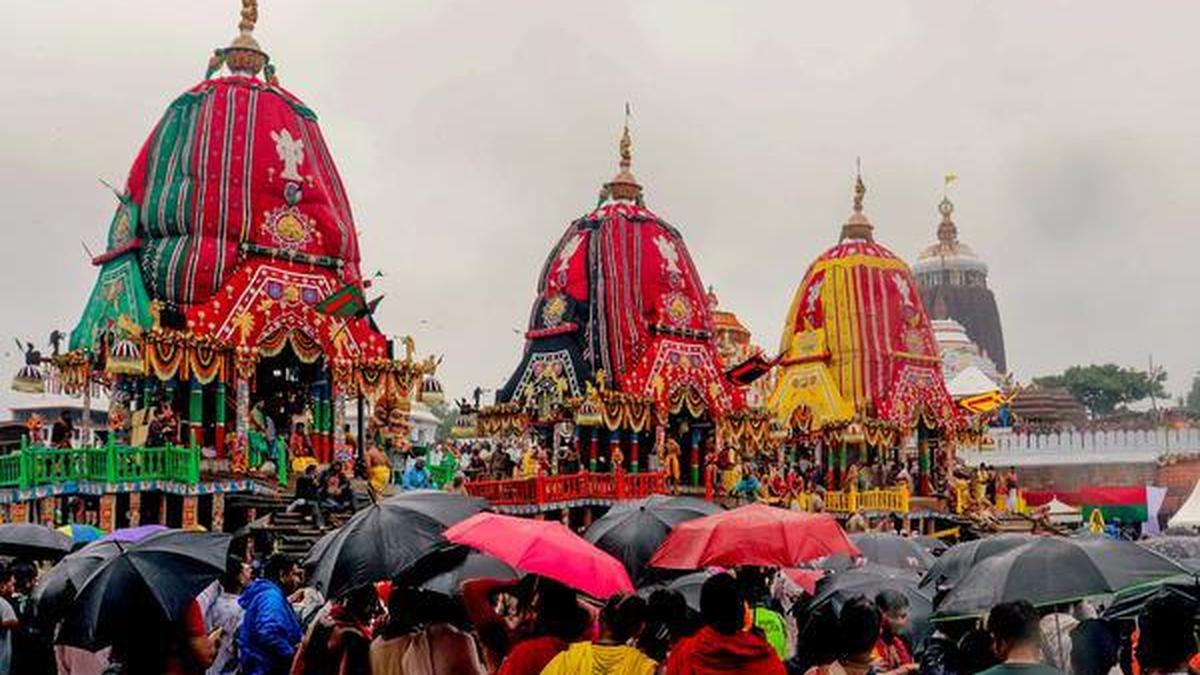
The annual Rath Yatra in Puri resumed on Friday after being halted due to darkness, following a delayed start to the rituals. Simultaneously, legal and cultural debates persist regarding the scheduling of processions by ISKCON and the judicial review of an animated film about Lord Jagannath.
Resumption of the Divine Procession in Puri
The annual Rath Yatra, a monumental cultural and spiritual event centered at the 12th-century Shree Jagannath Temple in Odisha, witnessed a unique logistical challenge this year. Following the commencement of the festival on Thursday, July 16, 2026, the chariot pulling process was interrupted by the onset of nightfall. Reports confirm that Lord Balabhadra's chariot, 'Taladhwaja', had only traversed approximately 700 meters of the Grand Road when the procession was halted. By Friday morning, July 17, 2026, the pulling of the chariots resumed, allowing the deities to continue their journey toward the Gundicha Temple.
Official Stance and Ritual Continuity
Despite the interruption, the atmosphere remained one of fervent devotion. Gajapati Maharaja Dibyasingha Deb, the primary servitor of the temple, issued a video message clarifying that there is no spiritual or ritualistic impropriety in completing the chariot journey on the day following the scheduled start. This sentiment provided reassurance to the estimated 8 to 12 lakh devotees gathered in Puri. Authorities implemented significant logistical measures, including infrastructure to manage rainwater on the Grand Road, to ensure the safe movement of the three massive chariots over the 2.6-kilometer route.
The Debate Over Ritual Calendars
Beyond the immediate logistics, the festival has highlighted a growing tension between the traditional Shree Jagannath Temple administration and the International Society for Krishna Consciousness (ISKCON). The core of this conflict lies in the adherence to the centuries-old ritual calendar. While the Puri temple strictly follows specific astronomical and traditional dates for the Rath Yatra, ISKCON’s global processions often deviate from this schedule. This discrepancy has sparked resentment among local stakeholders in Puri, who argue that the sanctity of the festival depends on uniform observance of the traditional timeline.
Legal Scrutiny and Creative Expression
Simultaneously, the festival has intersected with legal proceedings regarding creative media. The Supreme Court of India intervened in a dispute involving the animated film Mahaprabhu Jagannath. An earlier ruling by the Orissa High Court had banned the film nationwide, citing concerns that its narrative did not strictly align with the Skanda Purana. The film’s producers, Ele Animations, challenged this, arguing that the work is a children's film already cleared by the Central Board of Film Certification. The Supreme Court's involvement highlights a delicate balance between protecting religious sentiments and allowing artistic freedom.
Broader Implications and Future Trends
These events underscore the complex interplay between ancient religious traditions and modern societal demands. As the Rath Yatra continues to grow in global popularity, the challenge of maintaining ritual consistency while navigating international organizational practices and legal standards becomes more pronounced. The judicial recognition that animation cannot erode deep-seated devotion suggests a shift toward a more nuanced interpretation of religious portrayal in media. Looking ahead, the Puri temple administration will likely continue to face pressure to standardize global celebrations of the event to preserve the cultural integrity of the 12th-century tradition.
Concluding Summary
In summary, the 2026 Rath Yatra serves as a focal point for both spiritual celebration and contemporary debate. While the physical procession of the deities toward the Gundicha Temple remains the primary objective, the festival is currently defined by a confluence of logistical resilience, inter-organizational friction regarding ceremonial dates, and important legal precedents regarding the depiction of religious figures in popular culture. The resilience of the devotees and the guidance of the temple’s servitors have ensured that, despite delays and controversies, the core tenets of the festival continue to be upheld.
Multiple Citing Sources
Verification Required?