On Puri’s Grand Road, a devotee’s submission
Source Entity
Latest News: Today's Latest News Headlines from India & World | Hindustan Times | Hindustan Times
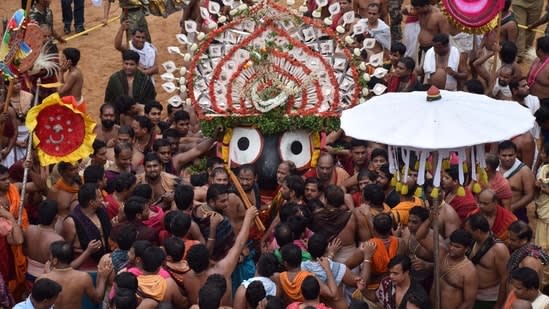
A reflection on the spiritual grandeur of the Ratha Yatra in Puri, highlighting its unique position among the thirteen annual festivals of Shree Kshetra and the deep devotion found on the Grand Road.
The Divine Spectacle: Analyzing the Splendor of Puri's Ratha Yatra
The spiritual landscape of Puri, known as Shree Kshetra, is defined by a perpetual state of devotion and celebration. As the provided text suggests, the region is characterized by a dense calendar of festivities, with thirteen major festivals occurring within a twelve-month cycle. This frequency of celebration underscores the deep-rooted religious significance of the city as a primary center for Jagannath worship. However, among these numerous events, the Ratha Yatra stands as the pinnacle of spiritual expression, transforming the 'Grand Road' (Bada Danda) into a cosmic stage where the divine meets the devotee.
The Uniqueness of the Ratha Yatra
While Shree Kshetra hosts various rituals throughout the year, the Ratha Yatra is unique because it represents the only time the deities—Lord Jagannath, Balabhadra, and Subhadra—leave the confines of the inner sanctum of the temple to interact directly with the masses. This 'outward journey' breaks the traditional barriers of caste and creed, allowing devotees from all walks of life to catch a glimpse of the deities. The sheer scale of the event, involving the construction of three massive wooden chariots from scratch every year, adds a layer of architectural and communal dedication that is absent in the other twelve festivals.
Historical and Cultural Context of the Grand Road
The Grand Road is not merely a thoroughfare but a sacred artery of the city. Historically, the Bada Danda has served as the site for the most significant public rituals in Odisha. The act of pulling the chariots along this road is viewed as a symbolic journey of the soul toward liberation. The tradition of the Chhera Pahanra, where the Gajapati King of Puri sweeps the platforms of the chariots with a golden broom, serves as a powerful historical reminder that in the eyes of the Lord, the highest temporal authority is but a humble servant. This synthesis of royalty and humility is a core element of the Yatra's enduring appeal.
The Psychology of Devotional Submission
The mention of a "devotee's submission" points toward the concept of Sharanagati or total surrender. In the context of the Ratha Yatra, submission is not seen as a sign of weakness but as the ultimate spiritual achievement. The physical struggle of pulling the heavy ropes amidst millions of people symbolizes the devotee's effort to draw the divine into their own life. This collective submission creates a psychological state of unity, where individual identities merge into a singular, overwhelming wave of faith, reinforcing the social cohesion of the community.
Broader Implications and Global Reach
Beyond the local impact, the Ratha Yatra has evolved into a global phenomenon. The tradition of the chariot festival has traveled from Puri to cities across the world, from New York to London, largely through the efforts of the ISKCON movement. This expansion has turned a regional Odia tradition into a global symbol of peace and inclusivity. The event now attracts millions of international tourists and pilgrims, significantly boosting the local economy and positioning Puri as a critical hub for cultural diplomacy and religious tourism in India.
Future Trends in the Celebration of Shree Kshetra
Looking forward, the Ratha Yatra is likely to see an increasing integration of technology to manage the massive crowds. We can expect more sophisticated crowd-management systems and augmented reality experiences to educate pilgrims on the history of the deities. However, the core essence—the raw, visceral experience of the Grand Road—will remain unchanged. As the world becomes more digitized, the physical act of pulling the chariot and the tangible experience of "submission" on the Bada Danda will likely grow in value as a form of authentic spiritual grounding.
Conclusion
In summary, the Ratha Yatra is far more than a religious procession; it is the heartbeat of Shree Kshetra. While the thirteen festivals of Puri provide a consistent spiritual rhythm, the Ratha Yatra provides the crescendo. By bringing the divine out to the people on the Grand Road, the festival reinforces the themes of accessibility, humility, and total surrender, ensuring that the legacy of Lord Jagannath continues to resonate both locally and globally.
Verification Required?