'Highly useful' but no breakthrough: What was discussed in Putin-US talks on Ukraine
Source Entity
SUBHADRA SRIVASTAVA
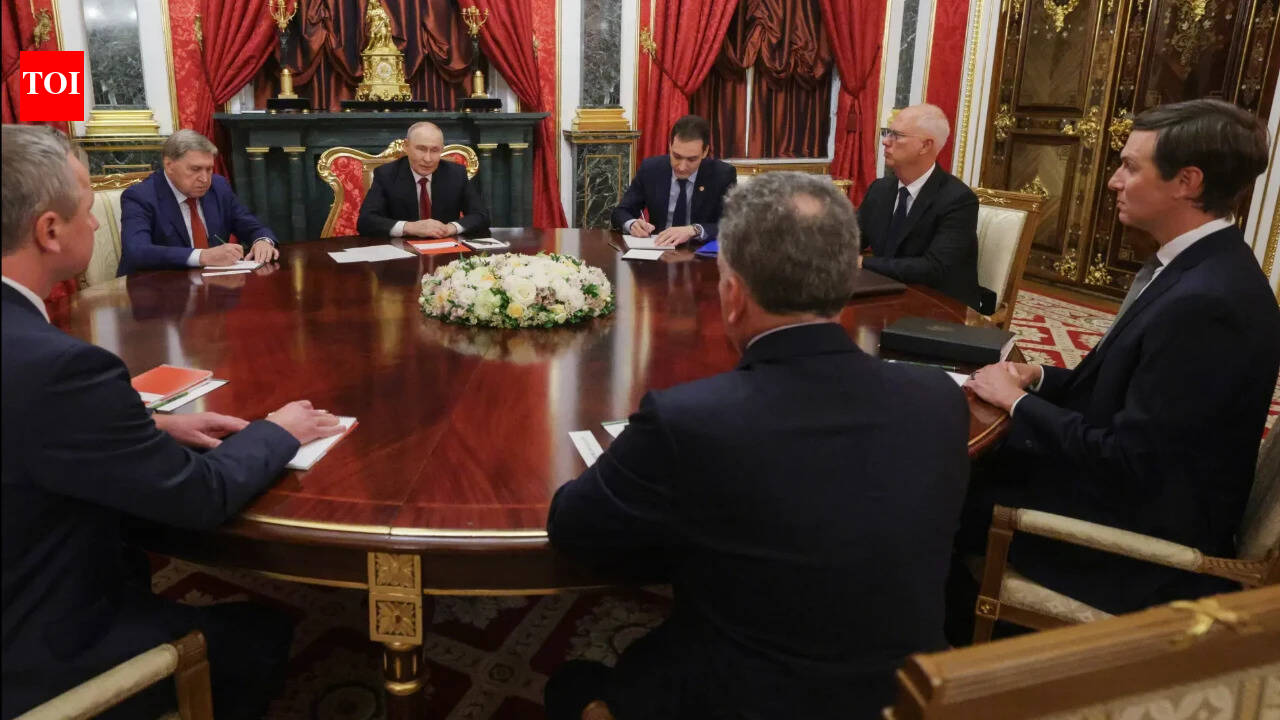
US special envoys Steve Witkoff and Jared Kushner have arrived in Moscow to present a Trump administration peace proposal. In response, President Putin has ordered a 72-hour halt to strikes on Kyiv to facilitate diplomatic discussions.
Diplomatic Breakthrough: The 72-Hour Pause in Kyiv
Recent developments have signaled a potential shift in the trajectory of the ongoing Russia-Ukraine conflict. Following the arrival of US special representatives Steve Witkoff and Jared Kushner in Moscow, Russian President Vladimir Putin has ordered a 72-hour cessation of strikes against Kyiv. This move, characterized as a strategic diplomatic gesture, comes at a time when both nations had previously intensified long-range military engagements.
The Context of the US Mission
The delegation, acting on behalf of President Donald Trump, is tasked with delivering a new peace proposal aimed at de-escalating the hostilities. The arrival of Witkoff and Kushner in Moscow represents a high-stakes diplomatic effort to bridge the gap between the warring parties. By coordinating these talks, the US is positioning itself as a central mediator, seeking to move beyond the current military stalemate toward a structured negotiation process.
Strategic Timing and Military Volatility
The announcement of the three-day pause is particularly notable given the immediate history of the conflict. Just hours before the envoys landed in Moscow, Russian strikes hit critical infrastructure, including airports in Kyiv and Boryspil. This juxtaposition of intense kinetic warfare and sudden diplomatic overtures highlights the volatile nature of the current environment. The pause is intended to provide the necessary security and atmosphere for the envoys to conduct their discussions with the Kremlin leadership without the immediate shadow of active bombardment.
Broader Implications for the Conflict
The decision to halt strikes serves as a litmus test for the sincerity of both the Russian administration and the incoming diplomatic proposals from Washington. If this 72-hour window proves successful, it could facilitate a broader framework for future dialogue. The delegation is expected to travel to Ukraine following their discussions in Russia, indicating that the proposal is designed to be a comprehensive roadmap involving both Kyiv and Moscow.
Future Trends and Diplomatic Challenges
Looking ahead, the success of this mission rests on the ability of the US delegation to present a proposal that addresses the core security concerns of both parties while maintaining the sovereignty of the nations involved. While a three-day pause is a positive step, the history of the conflict suggests that long-term cessation will require sustained political will. The international community is now watching to see if this diplomatic window can be expanded into a permanent ceasefire or a durable peace treaty.
Multiple Citing Sources