Qivalis receives EMI authorization from Dutch central bank for euro stablecoin
Source Entity
Cointelegraph by Zoltan Vardai
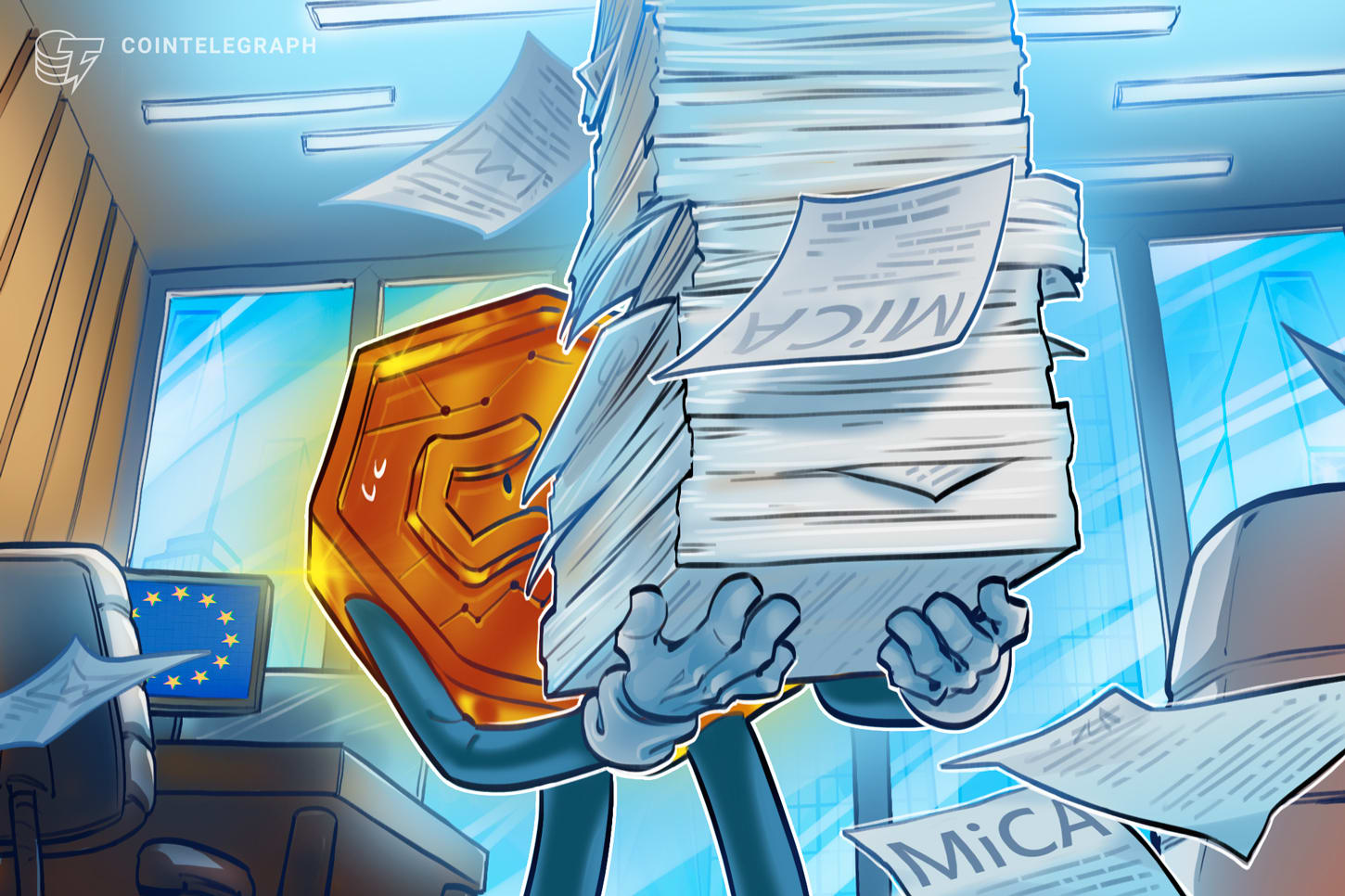
Qivalis has secured EMI authorization from the Dutch central bank to issue a euro-denominated stablecoin. Simultaneously, the EBA has classified Circle's USDC as a significant e-money token under MiCA, signaling a new era of strict European regulatory oversight.
The Maturation of Europe's Stablecoin Market
The European digital asset landscape is undergoing a profound transformation as regulators move to integrate stablecoins into the formal financial system. Recent developments underscore this shift, with the Amsterdam-based consortium Qivalis securing Electronic Money Institution (EMI) authorization from De Nederlandsche Bank (DNB). This regulatory green light marks a pivotal step for the firm, providing the legal foundation necessary to launch a euro-denominated stablecoin in the coming months.
Regulatory Compliance as a Competitive Edge
By obtaining EMI status, Qivalis transitions from an experimental fintech entity to a regulated financial institution subject to ongoing oversight by the Dutch central bank. This authorization is not merely a bureaucratic milestone; it is a prerequisite for operating within the European Union’s Markets in Crypto-Assets (MiCA) framework. As Qivalis prepares for issuance, it must navigate the rigorous compliance standards mandated by MiCA, which aims to harmonize digital asset regulations across all EU member states to ensure consumer protection and financial stability.
The 'Significant' Classification of USDC
While new entrants like Qivalis prepare to enter the market, established players are facing heightened scrutiny. The European Banking Authority (EBA) has officially classified Circle’s USDC—the second-largest stablecoin by market capitalization—as a “significant e-money token.” This designation subjects USDC to a higher tier of regulatory rigor, involving joint oversight by the EBA and France’s Autorité de Contrôle Prudentiel et de Résolution (ACPR). This move highlights the EU's commitment to monitoring systemic risk in the digital asset space.
Implications for the Euro Stablecoin Ecosystem
Historically, the stablecoin market has been dominated by dollar-pegged assets, leaving the euro ecosystem relatively underdeveloped. However, the combination of Qivalis’s new license and the robust MiCA framework suggests a strategic push by European authorities to foster a sovereign digital currency infrastructure. By establishing clear rules for issuance and oversight, the EU is positioning itself to attract institutional participation and mitigate the volatility risks associated with unregulated or offshore stablecoin projects.
Challenges and Future Trends
As Qivalis moves toward issuance, the primary challenge will be balancing the stringent requirements of MiCA with the need for operational agility in a fast-paced crypto market. The classification of USDC as 'significant' serves as a benchmark for what future issuers can expect as they scale. Moving forward, we can anticipate a bifurcated market: one side dominated by highly regulated, 'significant' tokens that satisfy EU central bank requirements, and another consisting of smaller, niche assets that must remain lean to comply with the lighter compliance burdens of the framework.
Conclusion
The dual news of Qivalis’s EMI approval and the formal classification of USDC represents a coming-of-age for the European crypto sector. By enforcing transparency and institutional accountability, the EU is effectively turning the page on the era of 'wild west' digital finance. For investors and developers alike, these developments signify that the future of stablecoins in Europe will be defined by regulatory alignment, central bank cooperation, and a focus on long-term systemic stability.