Does Quad serve India’s interests?
Source Entity
The Indian Express
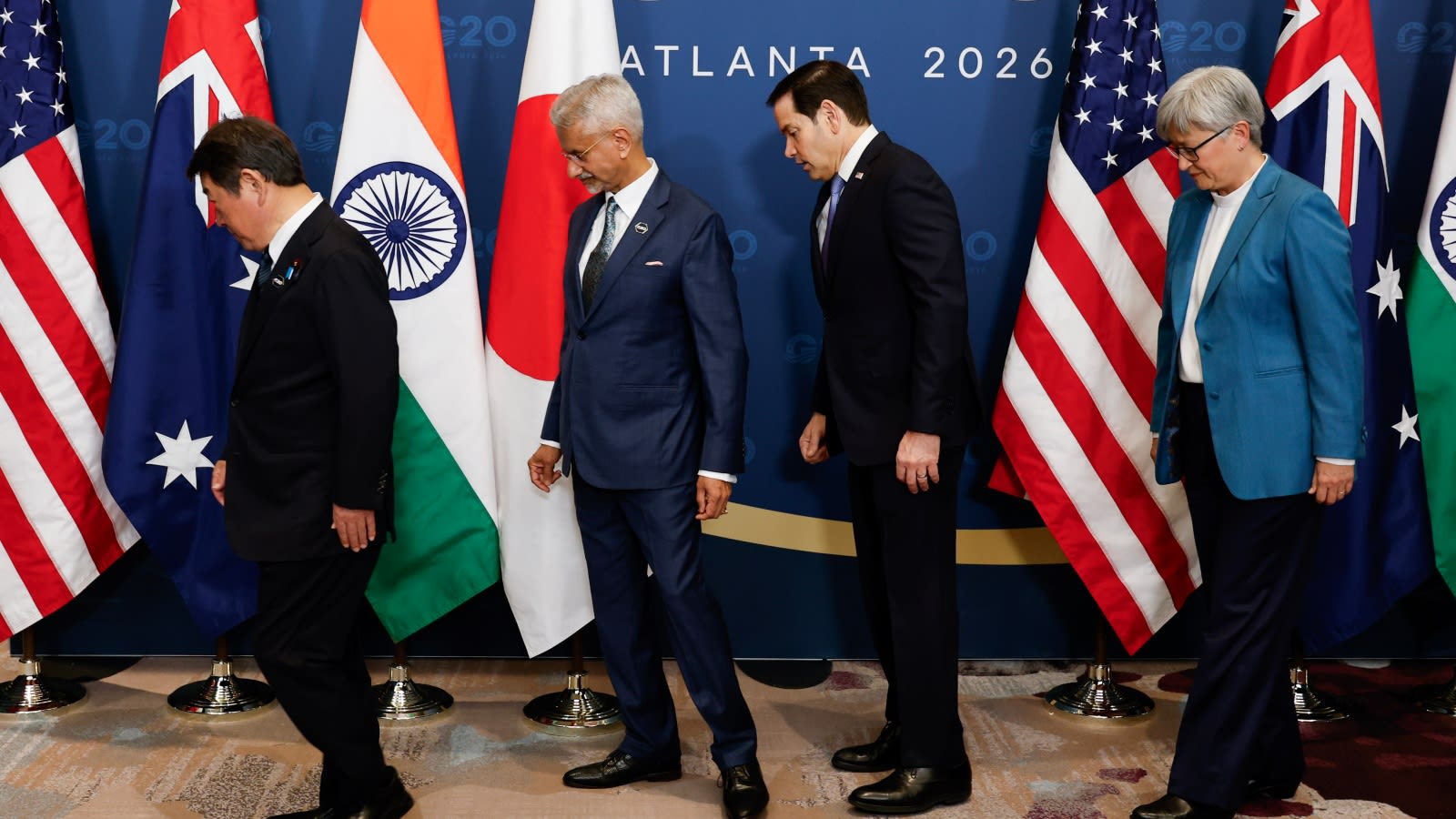
The Quad alliance faces divergent perceptions between Washington and New Delhi, reflecting complex geopolitical tensions. While U.S. analysts often question India's strategic commitment, Indian officials remain strong proponents of the partnership.
The Geopolitical Duality of the Quad
The Quadrilateral Security Dialogue (Quad)—comprising the United States, India, Japan, and Australia—stands as a cornerstone of Indo-Pacific strategy. However, as noted by analyst Akhil Ramesh, there exists a significant perceptual gap between Washington and New Delhi regarding the alliance's efficacy and strategic orientation. This divergence is not merely diplomatic friction but a reflection of the differing foundational security interests that define each nation's approach to global power dynamics.
Skepticism in the Western Think Tank Landscape
In the United States, foreign policy circles frequently harbor skepticism toward India’s role within the Quad. Critics often question New Delhi’s willingness to engage in potential kinetic conflicts in the Indo-Pacific, citing India’s historical commitment to strategic autonomy. Furthermore, Western observers often scrutinize India’s domestic democratic trajectory, minority rights, and the long-term sustainability of its economic growth as factors that could limit its reliability as a primary security partner against rising regional hegemony.
New Delhi’s Proactive Alignment
Conversely, the view from New Delhi is characterized by a high degree of commitment to Washington’s regional initiatives. Indian officials and policy think tanks have emerged as vocal proponents of the Quad, viewing the partnership as a vital mechanism to balance regional instability. For India, the Quad is not just a security arrangement but a platform to integrate further into the global order, leveraging Western technological and strategic cooperation to bolster its own national interests.
The 'Weakest Link' Narrative
Western analysts frequently characterize India as the 'weakest link' in the Quad, largely due to its refusal to fully abandon historical diplomatic ties or align perfectly with Western military posturing. This narrative often ignores the reality that India’s primary security focus remains its land borders and regional neighborhood, which naturally dictates a more cautious approach to maritime security alliances compared to the United States’ global power projection.
Broader Implications and Future Trends
Looking ahead, the longevity of the Quad depends on how well these two perspectives can be reconciled. If the U.S. continues to view India through the lens of Western-style alliance expectations, the relationship may suffer from recurring bouts of frustration. However, if the partnership evolves to accommodate India’s unique strategic geography, the Quad could become a more durable, flexible, and effective security framework. Future success will require both parties to move past rigid definitions of loyalty and embrace a pragmatic, interest-based cooperation that acknowledges their distinct geopolitical imperatives.