I gave Qwen 3.8 27B a reverse-engineering job and it finished in 30 minutes
Source Entity
Hacker News
The Qwen 3.8 27B model demonstrates exceptional performance in complex tasks like reverse-engineering when optimized with advanced hardware and software stacks. Its capability to handle intricate code analysis locally signifies a major shift in the utility of open-weights AI models.
The Rise of High-Performance Local AI
The recent release of the Qwen 3.8 27B model has generated significant anticipation within the open-weights AI community. As developers and researchers begin to stress-test this model, the results suggest that we are entering a new era where local inference can rival or even surpass cloud-based alternatives for specialized technical tasks. The ability to perform complex operations, such as reverse-engineering, in a matter of minutes highlights the rapid maturation of large language model (LLM) architectures.
Hardware Synergy and Optimization
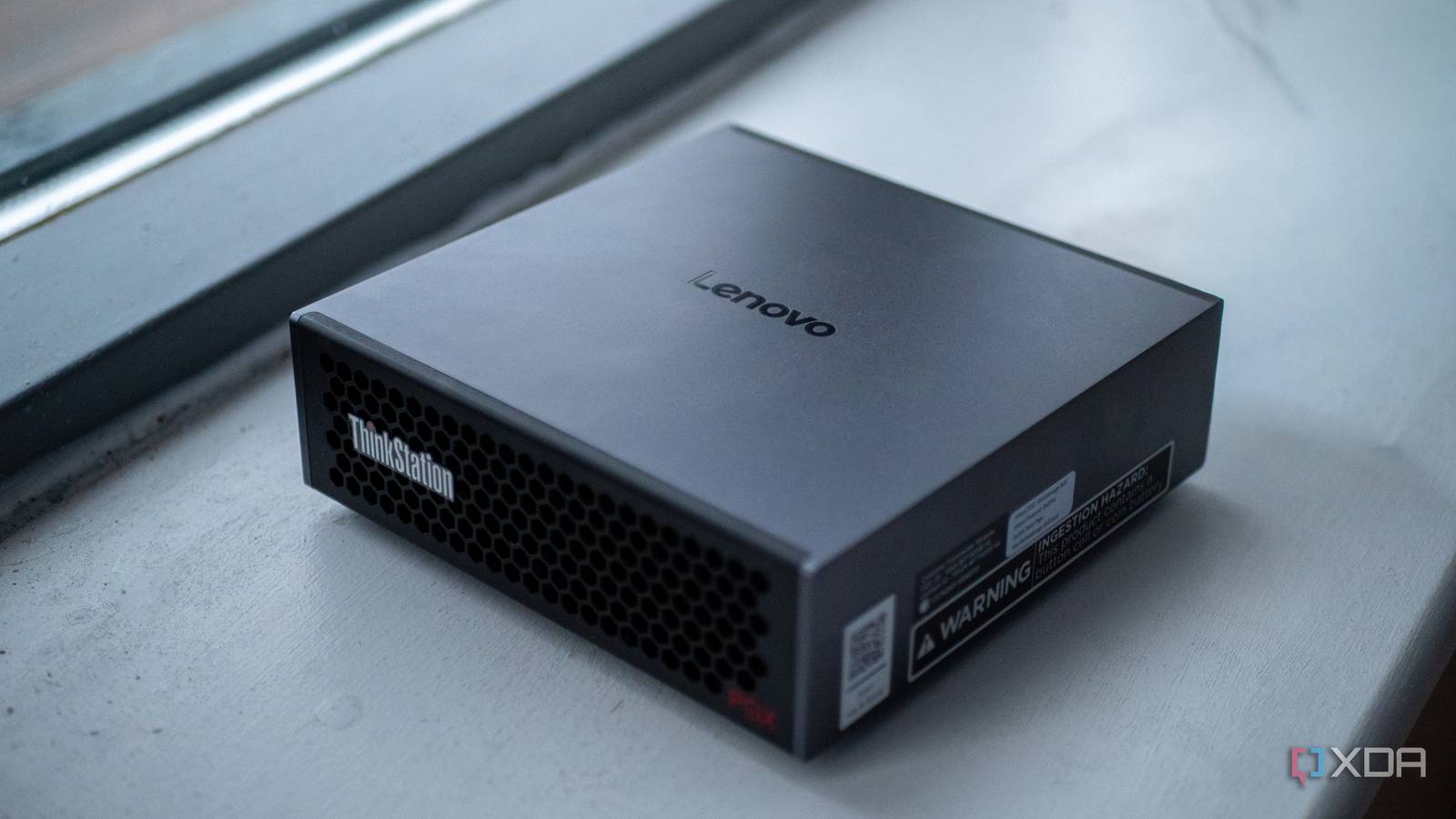
The performance of Qwen 3.8 27B is intrinsically linked to the infrastructure upon which it runs. By utilizing a Lenovo ThinkStation PGX equipped with Nvidia’s GB10 Grace Blackwell chip, the setup leverages 128 GB of unified memory to handle the model's parameters effectively. While the base performance of 15 to 30 tokens per second is acceptable, the integration of specialized optimization stacks—specifically SGLang, NVFP4, and DFlash2 speculative-decoding—serves as the catalyst for achieving 50 tokens per second on reasoning-heavy tasks. This demonstrates that software optimization is just as critical as raw silicon power in the current AI landscape.
Practical Applications in Reverse-Engineering
One of the most compelling findings is the model's efficacy in reverse-engineering. By successfully completing a technical reverse-engineering job in just 30 minutes, Qwen 3.8 27B proves that it is not merely a conversational tool but a functional asset for software development and cybersecurity workflows. This shift toward local, private, and high-speed model execution allows developers to process sensitive codebases without the security risks or latency issues inherent in cloud-based API calls.
Broader Implications for Open-Weights Models
The success of this specific Qwen release reinforces the growing trend of high-parameter open-weights models closing the performance gap with proprietary, closed-source models. For the industry at large, this implies a democratization of compute-heavy tasks. Organizations that were previously tethered to massive cloud subscriptions may soon find that local hardware clusters can handle the majority of their reasoning and coding requirements, provided they adopt the 'standard recipe' of speculative decoding and quantization techniques.
Future Trends in Local Inference
Looking ahead, we can expect the 'standard recipe' of inference optimization to become more accessible to the average developer. As hardware like the Grace Blackwell chip becomes more prevalent in workstations, the barrier to entry for running 27B-class models will drop significantly. The future of AI will likely be hybrid, with highly sensitive or high-throughput tasks migrating toward optimized local environments like the one tested here, rather than relying solely on centralized infrastructure. The hype surrounding Qwen appears to be grounded in tangible, actionable performance gains.