July 20 protest: RAF used tear gas, anti-riot guns and plastic pellets
Source Entity
TIMESOFINDIA.COM
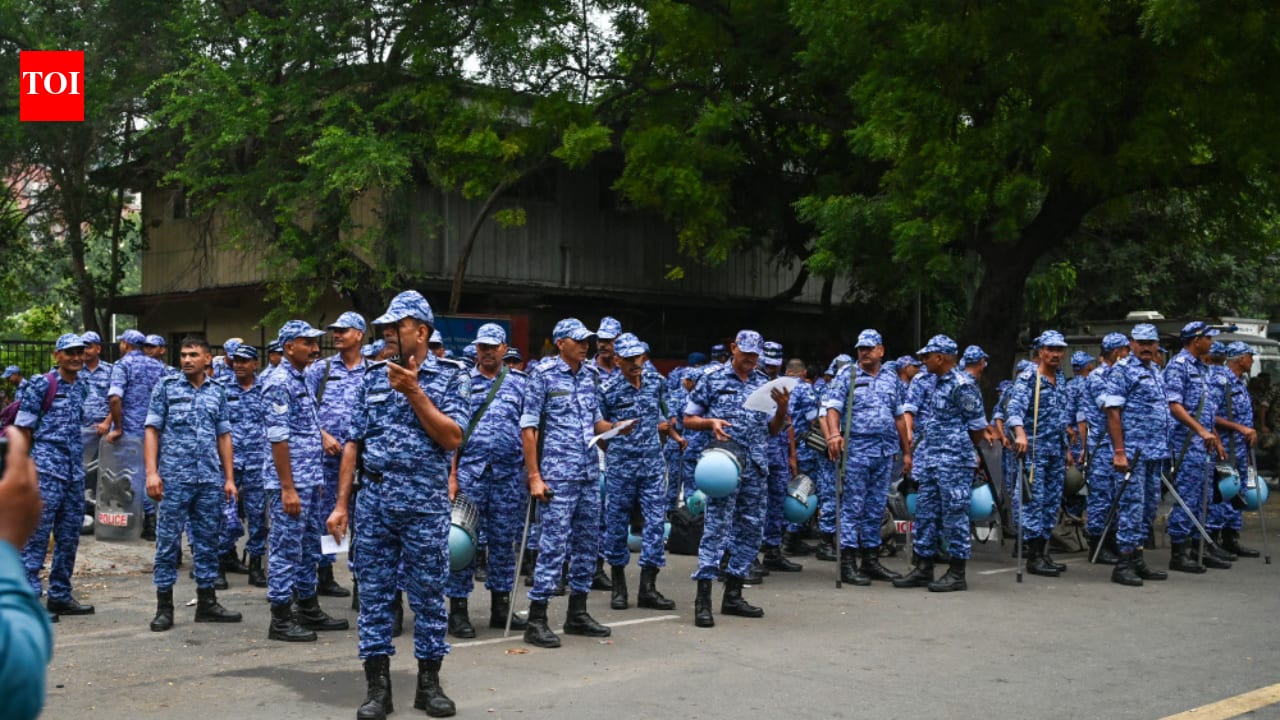
Official police records confirm the Rapid Action Force used plastic pellets and tear gas during the July 20 NEET-UG protest. This revelation has sparked intense political backlash, with Congress MP Priyanka Gandhi Vadra demanding accountability for the force used against students.
The July 20 NEET Protest: Security Tactics Under Scrutiny
Recent revelations have brought the events of the July 20 'Sansad Chalo' march, organized to protest the NEET-UG paper leak, back into the national spotlight. While initial narratives from authorities suggested that allegations of excessive force were misleading, official records from the Parliament Street police station have confirmed that the Rapid Action Force (RAF) utilized non-lethal plastic pellets, tear smoke grenades, and other crowd-control munitions against demonstrators.
Discrepancies in Official Accounts
The confirmation of the use of plastic pellets creates a significant friction point between the state’s previous denials and the documented reality. According to a general diary entry dated July 22, the information was provided by a deputy commandant of the RAF, detailing the munitions deployed in Zone 1 of the Jantar Mantar area. This stands in direct contrast to earlier statements from the Delhi Police, who had explicitly labeled claims regarding the use of such weaponry against “peaceful protesters” as completely false.
Political Backlash and Accountability
The incident has become a focal point of political debate, most notably during the Lok Sabha session concerning the Public Examinations (Prevention of Unfair Means) Amendment Bill, 2026. Congress MP Priyanka Gandhi Vadra has leveraged this evidence to challenge the government's handling of the student protests. By questioning the authorization of such force—including the use of lathi-charges and water cannons—she has pushed for a direct explanation from Prime Minister Narendra Modi and Home Minister Amit Shah.
Broader Implications for Student Dissent
Beyond the specific weaponry used, the situation underscores a growing tension regarding the treatment of student-led protests concerning examination integrity. The protest was spurred by widespread anger over irregularities in major national examinations, an issue that touches the future of millions of students. The government's reliance on specialized anti-riot forces to manage these academic grievances has raised concerns about the shrinking space for student mobilization and the proportionality of police responses in the capital.
The Path Toward Transparency
As the debate continues, the primary demand remains accountability. The juxtaposition of the government's legislative efforts to curb unfair means in examinations against the heavy-handed security tactics used against those protesting the very existence of such irregularities presents a complex political paradox. The demand for an inquiry into who authorized these specific measures remains a critical litmus test for the current administration's commitment to democratic discourse and the protection of student voices.
Conclusion
The confirmation of the use of plastic pellets marks a definitive shift in the narrative surrounding the July 20 protests. As the government seeks to implement new examination security laws, the fallout from this incident serves as a reminder that the methods employed to manage public dissent are subject to intense public and parliamentary scrutiny. The coming weeks will likely see continued calls for transparency regarding the decision-making process that led to the deployment of these crowd-control tactics.
Multiple Citing Sources