'China stopped our army from patrolling several places in Arunachal': Rahul
Source Entity
TOI NEWS DESK
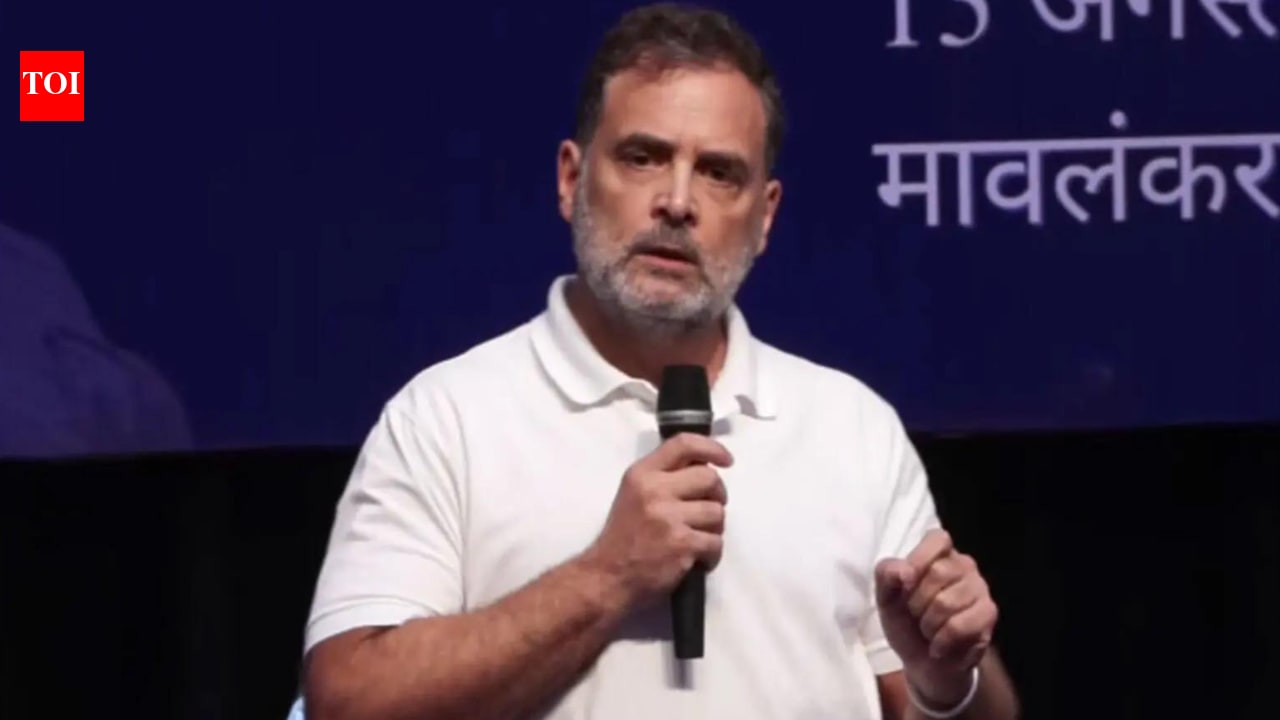
Leader of Opposition Rahul Gandhi has alleged that China is obstructing Indian Army patrols in Arunachal Pradesh. The claim has sparked significant political discourse regarding national security and territorial integrity.
Allegations of Border Encroachment in Arunachal Pradesh
Recent statements made by Rahul Gandhi, the Leader of the Opposition in the Lok Sabha, have brought renewed attention to the sensitive India-China border situation. Gandhi has explicitly alleged that the Chinese military has impeded Indian Army patrols at multiple locations within the state of Arunachal Pradesh. This assertion serves as a significant critique of the current status of border management and national security protocols in the eastern sector.
The Geopolitical Context of the LAC
The Line of Actual Control (LAC) remains a flashpoint of contention between India and China. Arunachal Pradesh has historically been a subject of territorial claims by China, which refers to the region as 'Zangnan' or South Tibet. India has consistently maintained that Arunachal Pradesh is an integral and inalienable part of its territory. Any report of restricted movement or denied access to traditional patrolling points represents a escalation in the ongoing border friction that has characterized bilateral relations since the 2020 Galwan Valley incident.
Implications for National Security
The ability of the Indian Army to access and patrol its claimed territory is fundamental to maintaining sovereign control and monitoring border incursions. If, as alleged, patrolling has been obstructed at several locations, it suggests a shift in the status quo on the ground. Such developments typically lead to heightened military posturing and necessitate a robust diplomatic response to ensure that territory is not lost to creeping encroachment or unilateral alterations of the border configuration.
Political Discourse and Public Sentiment
Rahul Gandhi’s public allegation has ignited a broader political debate within New Delhi. By labeling the situation a 'matter of concern,' the opposition is pressuring the government for transparency regarding border security and the effectiveness of current de-escalation strategies. This has prompted public engagement, as seen in digital forums where citizens are weighing in on the Ministry of External Affairs' official stance and the government's handling of these territorial challenges.
Historical Precedent and Future Trends
Historically, the border dispute has been marked by differing perceptions of the LAC. The current impasse reflects a broader trend of hardening positions between the two nuclear-armed neighbors. Moving forward, the focus will likely remain on whether the established mechanisms for military-to-military communication and diplomatic dialogue can effectively address these grievances without further destabilizing the region.
Conclusion
In summary, the claims brought forward by the Leader of the Opposition highlight the persistent fragility of the India-China border. While the government maintains its firm stance on territorial integrity, the persistent allegations of restricted patrol access underscore the complex security challenges India faces in Arunachal Pradesh. Ongoing monitoring of military movements and diplomatic negotiations will be critical in the coming months to prevent further escalation.