'Keep getting messages': Rahul's big claim, and a message for CEC Gyanesh Kumar
Source Entity
ABHISHEK MISHRA
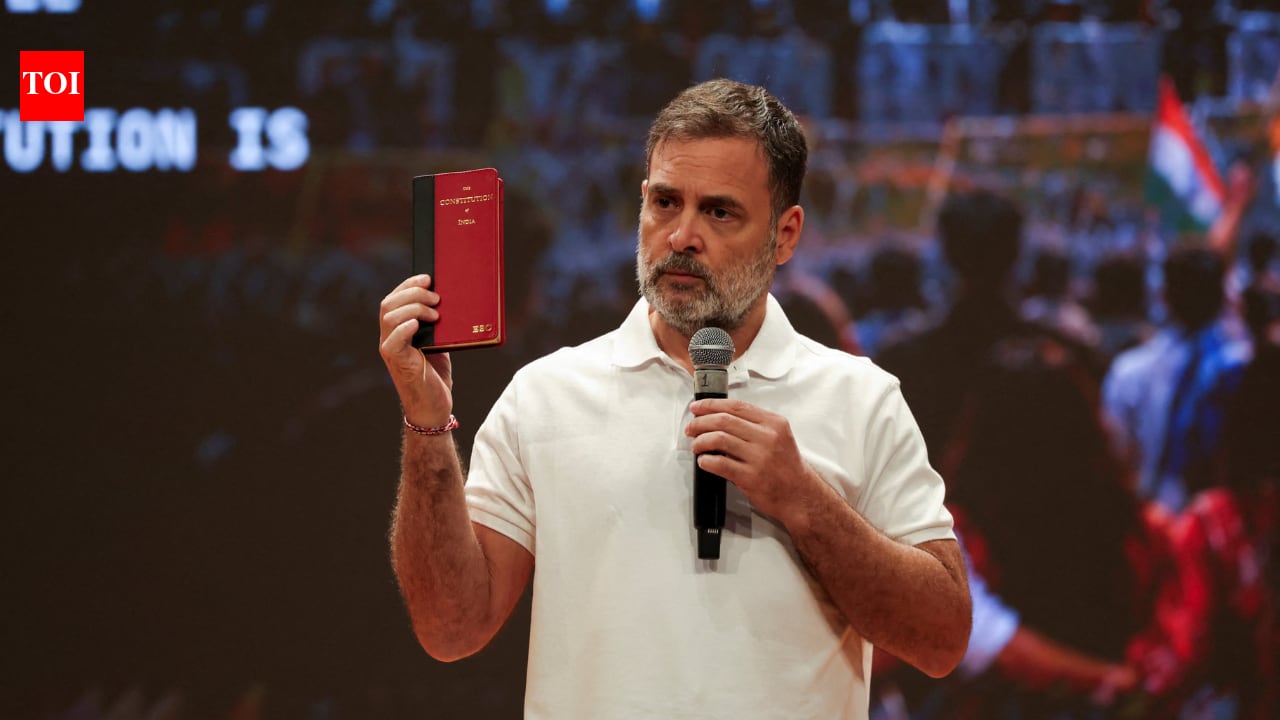
Leader of Opposition Rahul Gandhi has leveled serious allegations against Chief Election Commissioner Gyanesh Kumar, suggesting he is under pressure and should turn an 'approver' regarding alleged voter fraud. The remarks come amidst heightened security measures in Delhi ahead of a planned Congress march.
Rahul Gandhi’s Allegations Against the Election Commission
Leader of Opposition Rahul Gandhi has ignited a fresh political firestorm by making significant claims regarding Chief Election Commissioner (CEC) Gyanesh Kumar. During a recent press conference held ahead of a planned Congress march on October 12, Gandhi suggested that the CEC is under immense internal pressure, going so far as to imply that Kumar is unable to sleep due to the weight of the situation. These comments represent a sharp escalation in the rhetoric between the Opposition and the central election body.
The 'Approver' Narrative
Perhaps the most provocative aspect of Gandhi’s statement is his invitation for Gyanesh Kumar to turn 'approver.' By suggesting that the CEC should confess and testify against figures within the government whom the Opposition accuses of orchestrating voter fraud, Gandhi is framing the electoral process as fundamentally compromised. He explicitly posited that while Kumar may have committed errors, he is not the 'mind behind the mistake,' thereby offering a conditional pathway for potential leniency if the CEC chooses to align with the Opposition's narrative.
Security Measures and Public Access
Beyond the allegations against the CEC, Rahul Gandhi criticized the heavy security apparatus deployed in the national capital. Describing Delhi as a 'fortress' and rhetorically questioning why the capital has been 'converted into a jail,' Gandhi highlighted the logistical hurdles faced by citizens. He specifically cited the obstruction of trains and buses, claiming that people are being actively prevented from reaching Delhi to participate in the scheduled October 12 protest march.
Broader Political Implications
The demand from Rahul Gandhi and other INDIA bloc leaders for the resignation of Gyanesh Kumar signals a deepening crisis of confidence in the Election Commission of India. When the primary opposition party openly questions the integrity of the constitutional body tasked with overseeing democratic processes, it creates a volatile environment for future electoral cycles. This confrontation suggests that the Opposition intends to make the functioning of the Election Commission a central pillar of their political campaign against the ruling administration.
Historical Context and Future Trends
The erosion of trust in independent institutions remains a significant trend in contemporary Indian politics. Historically, the Election Commission has been viewed as an autonomous arbiter; however, the current climate of mutual suspicion threatens this institutional reputation. Moving forward, the pressure on the CEC to address these specific allegations will likely mount, as the Opposition shows no signs of backing down from their demand for accountability and resignation. This saga is expected to dominate the discourse in the coming weeks, potentially influencing the public's perception of upcoming electoral integrity.