‘Gyanesh will go, this govt will go’: Rahul as Delhi braces for ‘Jantar Mantar 2.0’
Source Entity
ABHISHEK MISHRA
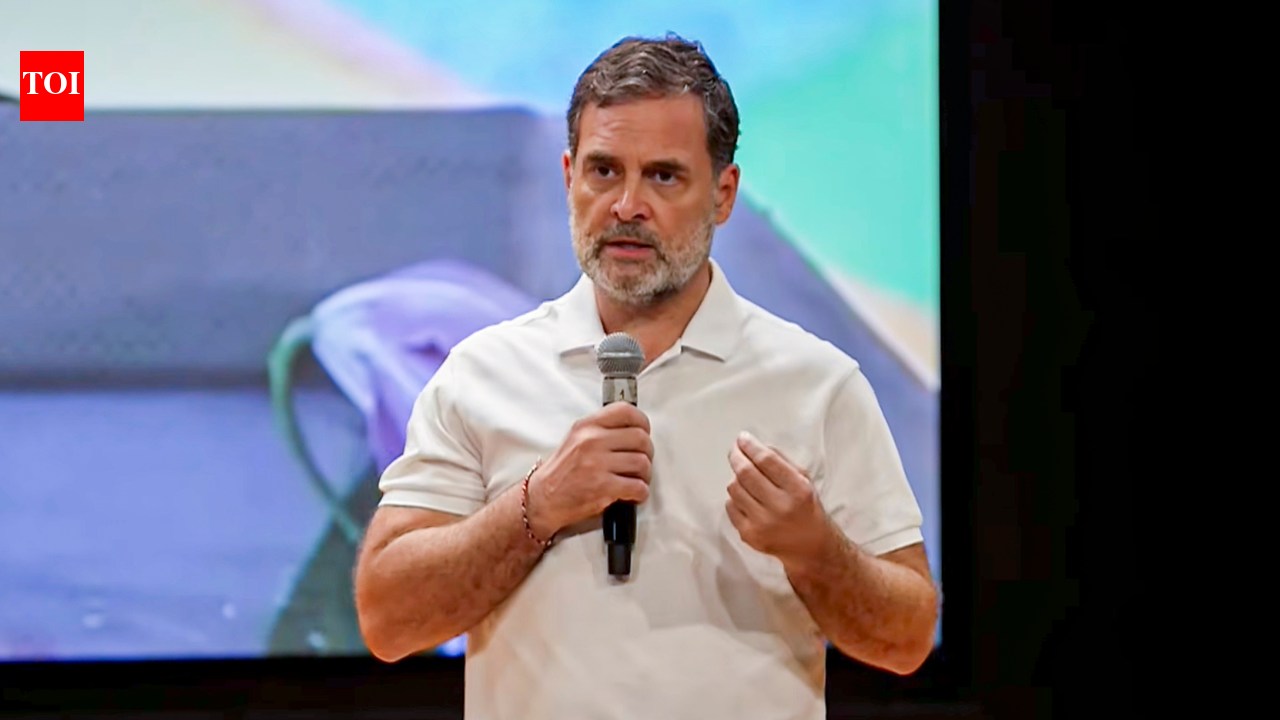
Rahul Gandhi has issued a sharp critique of the current administration, warning of political consequences regarding the appointment of Election Commissioner Gyanesh Kumar. The statement comes as New Delhi prepares for renewed protest activity reminiscent of past movements.
The Political Climate and the 'Jantar Mantar 2.0' Narrative
Recent statements made by Congress leader Rahul Gandhi regarding Election Commissioner Gyanesh Kumar have signaled a significant escalation in the ongoing political friction between the opposition and the ruling government. By invoking the specter of 'Jantar Mantar 2.0,' Gandhi is drawing a direct parallel to historical mass movements that have historically served as catalysts for political upheaval in India. This rhetoric suggests that the opposition is attempting to frame the current administrative appointments as a systemic issue that warrants public mobilization.
The Controversy Surrounding Administrative Appointments
The focus on Gyanesh Kumar, a recently appointed Election Commissioner, highlights the opposition's concerns regarding the neutrality and independence of India’s constitutional bodies. When political leaders target specific bureaucrats or appointees, it often serves as a proxy for a broader critique of the government's appointment processes. By asserting that 'this govt will go,' Gandhi is elevating the discourse from a specific administrative objection to a fundamental challenge of the government's electoral mandate and legitimacy.
Historical Context of Protest Movements
Jantar Mantar has long served as the symbolic epicenter of political dissent in India. The reference to a '2.0' iteration implies an intent to reignite the kind of public fervor that characterized previous anti-corruption or civil rights movements. Historically, protests at this location have pressured the executive branch to reconsider policy decisions or face public scrutiny that impacts electoral outcomes. Gandhi's rhetoric aims to tap into this historical precedent to galvanize public opinion against the current ruling coalition.
Broader Implications for Electoral Integrity
At the heart of this conflict lies the critical question of the independence of the Election Commission of India (ECI). The ECI is a cornerstone of Indian democracy, and any perception of bias or government influence can have profound implications for public trust in the electoral process. The opposition's aggressive stance suggests they are preparing to make the integrity of constitutional institutions a central pillar of their platform, anticipating that voters will be sensitive to issues concerning democratic checks and balances.
Future Trends in Political Opposition
Looking ahead, this strategy indicates a shift in the opposition's tactical approach. Rather than focusing solely on policy debates, the focus has moved toward questioning the structural integrity of governance. If the 'Jantar Mantar 2.0' movement gains traction, we can expect a period of heightened political volatility in New Delhi. The government will likely respond by emphasizing its adherence to legal and constitutional procedures, setting the stage for a prolonged battle over the narrative of institutional independence as the country moves toward future electoral cycles.