Who was Rainey Bethea? Nidal Hasan public execution broadcasting decision puts spotlight on 1936 hanging
Source Entity
Latest News: Todays Latest News Headlines from India & World | Hindustan Times | Hindustan Times
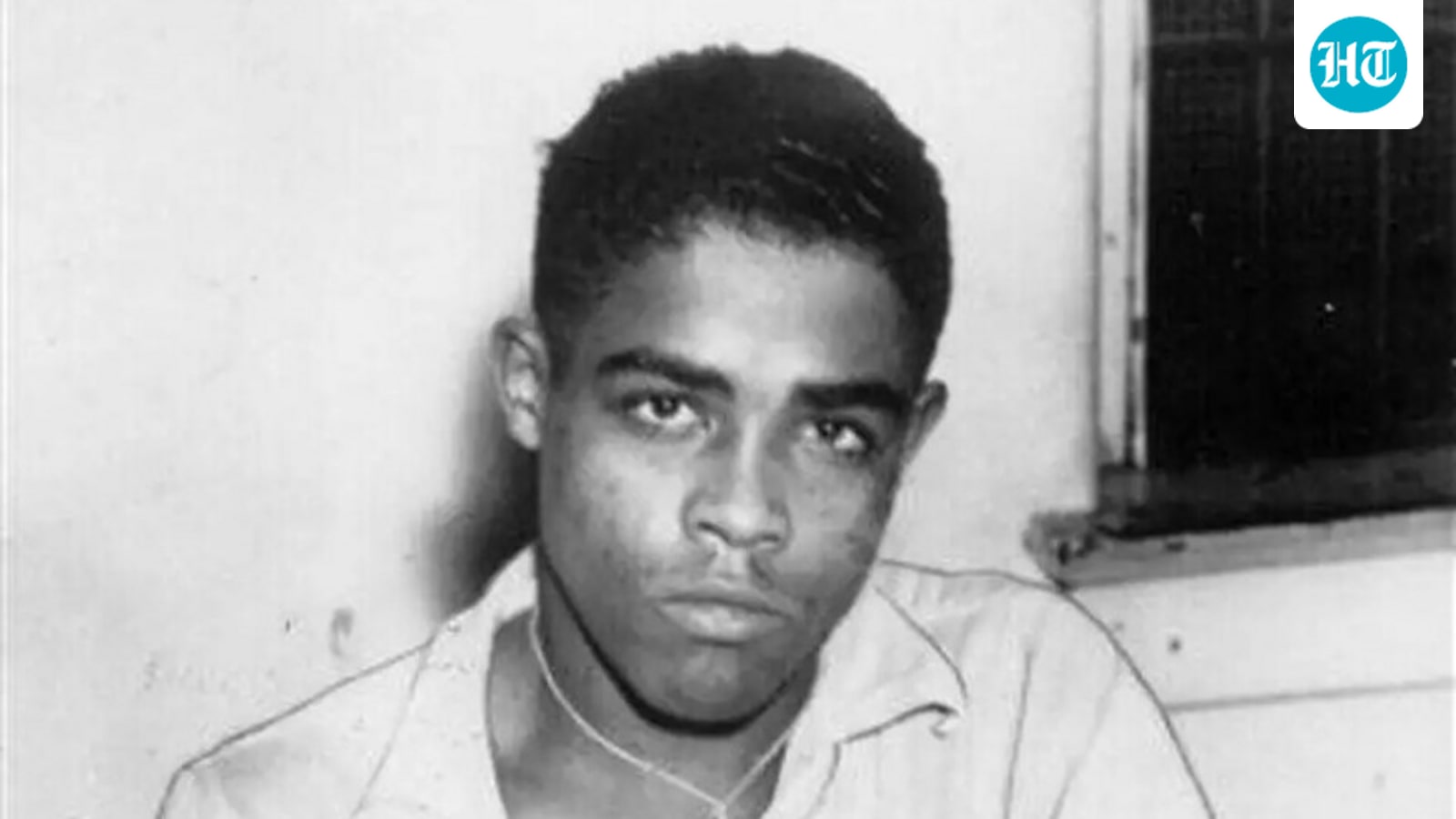
The U.S. Department of Defense's decision to livestream Nidal Hasan's execution has reignited historical discourse surrounding public capital punishment. This move draws direct comparisons to the 1936 hanging of Rainey Bethea, the last public execution in American history.
The Resurfacing of Public Execution Discourse
The recent decision by the U.S. Department of Defense to livestream the execution of Fort Hood mass shooter Nidal Hasan has thrust the American debate on capital punishment into a new, controversial era. By proposing a broadcast of the event, the government is effectively challenging the long-standing norm that relegates state-sanctioned death to private, prison-controlled settings. This development has inevitably turned the historical lens back toward the 1936 execution of Rainey Bethea in Owensboro, Kentucky, which serves as the final benchmark for public executions in the United States.
The Legacy of Rainey Bethea
Rainey Bethea, a 26-year-old Black man, was executed by hanging on August 14, 1936. His death became infamous not only for the gravity of the crime but for the macabre spectacle that unfolded in Owensboro. Thousands of citizens gathered to witness the event, turning what was intended to be a solemn act of justice into a chaotic public display. The aftermath of the Bethea execution is widely cited as the catalyst for the shift toward private executions, as the optics of the event were viewed by many as a stain on the American judicial system’s dignity.
Breaking Historical Precedent
If the Department of Defense proceeds with the planned livestream, it will shatter several modern judicial precedents. According to data provided by the Death Penalty Information Center (DPIC), this would be the first publicly broadcast execution in U.S. history. Furthermore, it marks a significant military milestone, representing the first U.S. military execution since 1961 and the first carried out by a firing squad since the end of World War II. These historical markers illustrate the magnitude of the shift the government is currently undertaking.
The Shift to Behind Prison Walls
For nearly nine decades, the United States has adhered to an unspoken consensus that executions should occur behind prison walls to maintain order and focus on the legal finality of the sentence rather than public consumption. The transition away from public hangings was driven by a desire to professionalize the death penalty and distance the state from the performative nature of public violence. By potentially livestreaming Hasan’s execution, the current administration is effectively reversing this trend, raising questions about the role of digital media in modern justice.
Implications and Future Trends
This decision invites a broader discussion on the transparency of the military justice system versus the ethics of broadcasting state-sanctioned death. While supporters might argue for transparency in high-profile cases like the Fort Hood shooting, critics fear that digital dissemination will desensitize the public or encourage a return to the public spectacles that defined the 1930s. As the U.S. navigates this decision, it remains to be seen whether this will become a new standard for military accountability or a singular, controversial deviation from historical norms.
Verification Required?