Rahul Gandhi’s ‘Satyam Shivam Sundaram’ response to BJP digs over lap remark
Source Entity
Vikas Pathak
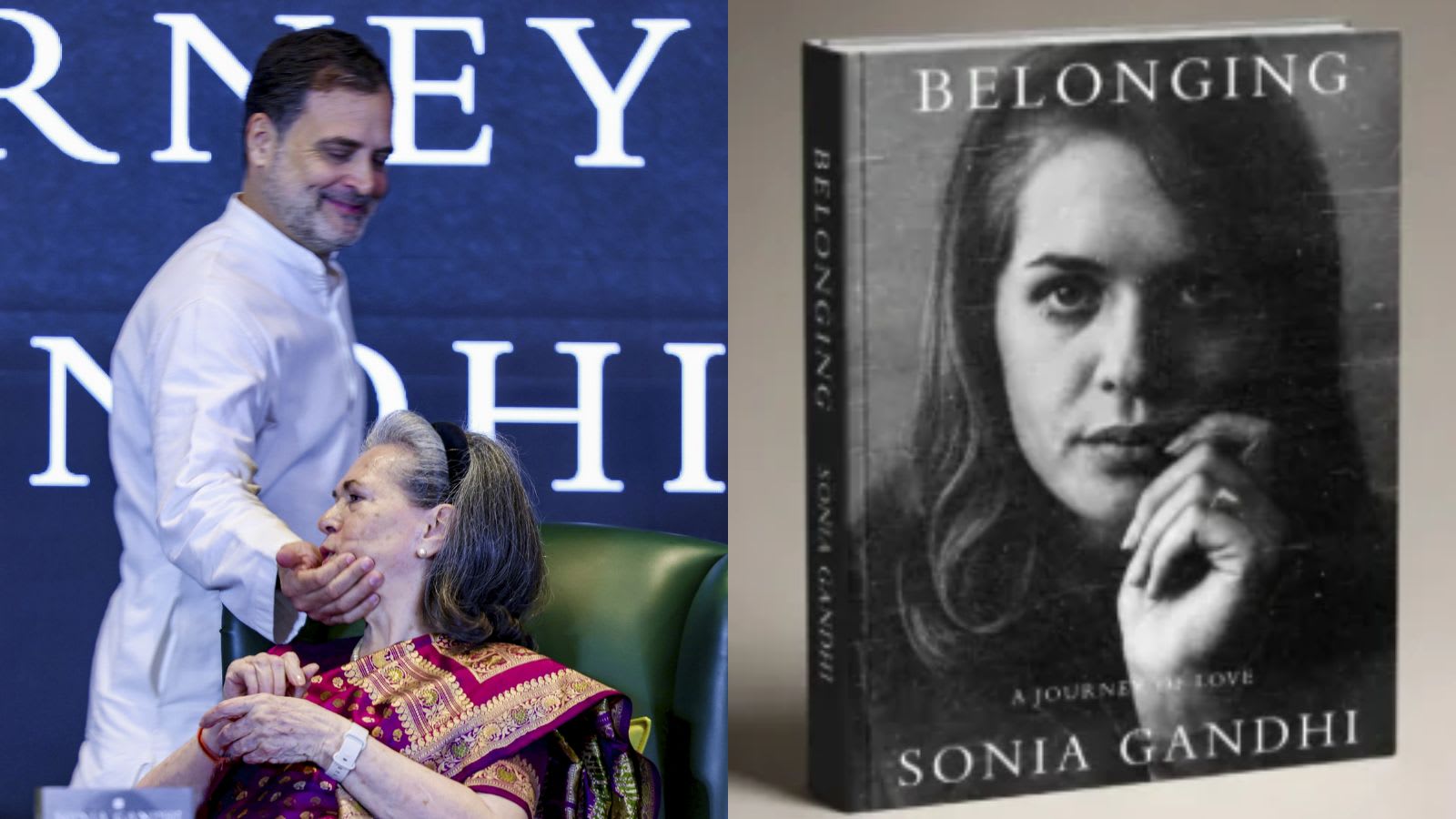
Rahul Gandhi has defended his remarks about his parents' affectionate relationship against BJP criticism. He argued that the backlash reflects a lack of capacity for love within the BJP and RSS, citing spiritual symbolism in his response.
The Intersection of Personal Memoir and Political Discourse
The recent controversy involving Leader of the Opposition Rahul Gandhi and the Bharatiya Janata Party (BJP) stems from remarks made during the launch of his mother Sonia Gandhi’s memoir, Belonging: A Journey of Love. Rahul Gandhi shared intimate childhood memories, noting that he frequently observed his mother sitting on his father Rajiv Gandhi’s lap during meals. He candidly admitted that he had assumed such displays of affection were a universal norm in households during his formative years.
The Backlash and Political Polarization
The reaction from BJP and RSS circles was swift and critical, with various figures labeling the anecdote as embarrassing or inappropriate. This incident highlights the increasingly polarized nature of Indian political discourse, where private reflections on family life are rapidly weaponized as ammunition for partisan attacks. The BJP’s criticism suggests a fundamental disagreement over public decorum and the intersection of political life with personal narrative.
Rahul Gandhi’s Philosophical Counter-Offensive
In a sharp rebuttal, Rahul Gandhi shifted the narrative from a personal defense to a broader philosophical critique. By invoking the concept of ‘Satyam Shivam Sundaram’ and sharing an image of Lord Shiva and Parvati from a temple in Karnataka, he sought to frame the BJP’s reaction as a symptom of a deeper malaise. He argued that the vitriol directed toward his comments is evidence that “fear, anger, and hatred have woven a web” in the hearts of his political opponents, blinding them to expressions of love.
The Role of Cultural Symbolism in Indian Politics
By utilizing imagery of Hindu deities to defend his stance, Rahul Gandhi is attempting to reclaim a cultural narrative that is often dominated by the BJP. This strategic use of religious iconography is intended to contrast his definition of ‘love’ and ‘familial bonds’ against what he characterizes as the ‘hatred’ of the RSS and BJP. It reflects a shift in his political communication style, focusing on emotional resonance rather than purely procedural policy debates.
Broader Implications for Political Civility
This row underscores the fragility of civil discourse in contemporary India. When a recollection of parental affection becomes a major national political controversy, it signals that the boundaries between the private and the political have largely dissolved. This environment makes it increasingly difficult for political figures to humanize themselves without facing immediate scrutiny from ideological adversaries.
Future Trends in Political Messaging
Looking ahead, this episode is likely to set a precedent for how political memoirs and personal anecdotes are received in the public sphere. As the BJP and the Congress continue to lock horns, the battle for the ‘moral high ground’ will likely rely more on symbolic gestures and social media engagement. Rahul Gandhi’s focus on the theme of ‘love versus hatred’ appears to be a core pillar of his current political branding, aimed at distinguishing his vision of India from that of the ruling coalition.